
How long does it take to turn a prospect into a customer?
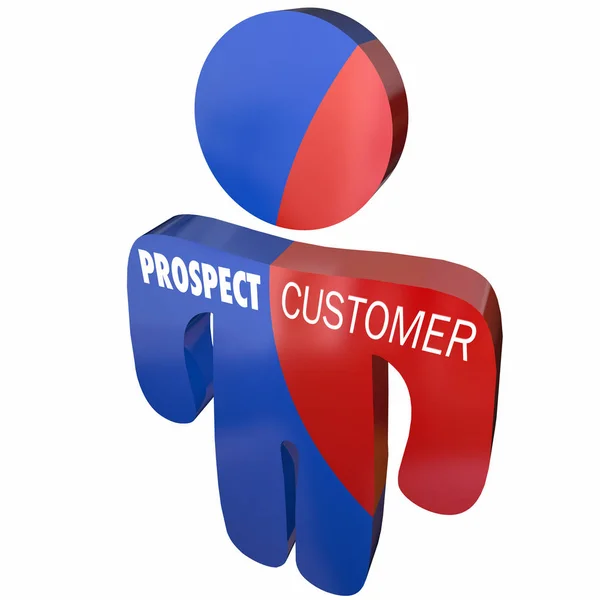
Converting a prospect into a customer is one of the most important processes in business—and one of the most misunderstood. Many people assume that once you find a potential customer, things move quickly. You pitch, they like it, they buy it. Simple, right?
But in reality, turning a prospect into a paying customer is a process, and the time it takes can range from minutes to years depending on the product, the person, and the situation. If you’re getting into entrepreneurship, sales, marketing, or even fundraising, understanding how long conversions take—and why—is one of the most valuable lessons you can learn.
This article breaks down everything you need to understand about the sales cycle, what affects it, why some customers convert quickly while others take forever, and how you can shorten the timeline without pressuring people or being pushy.
1. What Is a Sales Cycle?
A sales cycle is the journey a prospect takes from the moment they first interact with your business to the moment they finally buy something. You can think of it like a funnel or a staircase. They start at the top or bottom, and you guide them to the purchase.
Most sales cycles include steps like:
-
Awareness (they discover you)
-
Interest (they look into what you offer)
-
Consideration (they compare options)
-
Decision (they evaluate benefits)
-
Purchase (they buy)
Some people move through these steps in minutes, like buying a bottle of water. Others move through these steps in months, like signing up for an expensive training program. And some may move through these steps in years, like companies buying software or machinery.
The length of this journey is the sales cycle length, and it’s one of the main factors in how predictable and sustainable a business can be.
2. Typical Sales Cycle Lengths (Across Different Industries)
Every industry has its own rhythm. Here’s a broad overview:
A. Fast Sales Cycles (Seconds → Days)
These industries rely on impulse decisions or low-cost items. Examples:
-
Snacks
-
Drinks
-
Clothing accessories
-
Low-priced online products
-
Mobile apps
-
Small digital tools
These purchases don’t require much mental effort. The customer simply decides, “Yep, I like it. I’ll buy it.”
B. Medium Sales Cycles (1–8 Weeks)
Customers usually need time to compare options. Examples:
-
Freelance services
-
Medium-priced coaching or courses
-
Subscriptions
-
Household products costing $200–$2,000
-
Basic business tools
The customer needs to think before buying, but not too long.
C. Long Sales Cycles (3–12+ Months)
These are complex, expensive, or require multiple decision-makers. Examples:
-
Software for businesses
-
Real estate
-
Machinery or equipment
-
University programs
-
Corporate partnerships
These involve negotiations, approvals, meetings, and budgeting cycles.
3. Why Some Prospects Convert Quickly (and Why Some Don’t)
Conversion speed depends on human psychology, budget, risk, and urgency.
Here’s what makes someone buy fast:
✔ They have an immediate need
A dentist with a broken machine?
A company with a cybersecurity breach?
Someone about to travel who needs a suitcase?
Urgency = quicker decision.
✔ The product is low risk
If something is cheap or has a strong guarantee, the fear of making a “bad choice” almost disappears.
✔ They trust you
People buy quickly from people they already trust—referrals, reviews, influencers, or brands they know.
✔ The offer is simple
The fewer steps, the faster the purchase.
Here’s what slows down the cycle:
✘ The product is expensive
The more money involved, the longer people think.
✘ The customer doesn’t fully trust you yet
Trust takes time.
✘ There are multiple decision-makers
In families, teams, or companies, decisions go through layers.
✘ The customer has alternatives
They may be comparing competitors and researching heavily.
✘ Lack of urgency
No pressure = slow pace.
4. The 7 Stages of Turning a Prospect Into a Customer
Every conversion happens through a predictable series of steps—no matter the product.
Stage 1: Awareness
The customer discovers you.
Stage 2: Interest
They start paying attention.
Stage 3: Consideration
They compare you with alternatives.
Stage 4: Intent
They express interest—replying to an email, asking for a quote, booking a meeting.
Stage 5: Evaluation
They analyze cost vs value and ask questions.
Stage 6: Decision
They are ready to decide but need final reassurance.
Stage 7: Purchase
The final “yes”—they buy.
Different customers move through these stages at different speeds.
5. The Real Reason Conversion Takes Time: Psychology
To understand conversion timelines, you have to understand the psychology of buying.
A. People don’t like risk.
Buying something new—especially high priced—feels risky. People slow down to protect themselves.
B. People want control.
If someone feels rushed, they often back away.
C. People buy emotionally, justify logically.
This means they might feel excited but still wait for weeks before giving themselves “permission” to buy.
D. People procrastinate.
Even if they want it, they may delay.
Understanding psychology helps you create a smoother experience that lowers the emotional barriers preventing fast conversion.
6. What Affects the Length of a Sales Cycle?
Here are the most important factors:
1. Price
High price = longer decision timeline.
2. Trust level
New brand = slow cycle
Trusted brand → faster cycle
3. Urgency of the problem
If their problem can wait, they will wait.
4. How many steps your process has
More steps, paperwork, or meetings = slower.
5. Competitors
The more alternatives to compare, the longer they take to choose.
6. Decision-makers involved
One person buying?
Or a team of five who all need to say yes?
7. How well you follow up
Businesses that don’t follow up lose prospects.
Businesses that follow up too aggressively scare prospects away.
The sweet spot is consistent, calm communication.
7. How to Shorten the Sales Cycle Without Being Pushy
This is a key question for anyone in business.
A. Build trust faster
Show testimonials, offer demos, provide value.
B. Improve your first impression
People decide within seconds whether they want to continue the conversation.
C. Simplify the process
The fewer steps between discovery and purchase, the faster the conversion.
D. Answer questions upfront
People slow down when they feel unsure.
E. Use deadlines ethically
Example:
“Enrollment closes Friday so we can start the class on Monday.”
Not manipulative—just structured.
F. Follow up consistently
Most prospects buy after multiple touches:
-
2% buy on the first contact
-
80% buy after 5–12 touches
Following up = shorter cycles.
8. The Hidden Factor: Quality of the Prospect
Not all prospects are equal. A prospect is more likely to convert if they:
-
actually need what you offer
-
can afford it
-
are the decision-maker
-
are actively looking for a solution
-
have a clear timeline
Some people are just browsing.
Some are just curious.
Some are comparing options.
Knowing the difference helps prioritize your energy.
9. Why Teen Entrepreneurs Especially Need This Knowledge
If you're 13–17 and trying to start a business, here’s the truth:
Most beginners expect fast results.
They think:
“I messaged someone about my service. Why didn’t they buy?”
Because sales takes time.
Your job isn’t to pressure people—it’s to guide them, help them, and stay present while they make a decision. The more patient and professional you are, the faster you’ll grow.
10. How to Accept (and Predict) Your Sales Cycle Timing
Not every sale will happen fast. And that’s okay.
The goal is to predict your average sales cycle so you know:
-
how long your income takes to materialize
-
how many prospects you need
-
how many follow-ups to do
-
how long it takes to grow
Businesses do this all the time.
They measure their average sales cycle and plan around it.
If your average cycle is 30 days, you can expect that every customer you meet today will buy next month.
Predictability = stability.
Conclusion
Turning a prospect into a customer isn’t random—it’s a science. It’s a combination of psychology, timing, budget, trust, urgency, communication, and relationship-building. The sales cycle can be incredibly fast or surprisingly slow depending on what you sell and who you’re selling to.
The key is not to rush people or pressure them—but to guide them confidently, provide value, and make the journey smooth. Whether your cycle is minutes or months, the moment you understand how it works, the easier selling becomes, and the faster your business grows.
- Arts
- Business
- Computers
- Jeux
- Health
- Domicile
- Kids and Teens
- Argent
- News
- Personal Development
- Recreation
- Regional
- Reference
- Science
- Shopping
- Society
- Sports
- Бизнес
- Деньги
- Дом
- Досуг
- Здоровье
- Игры
- Искусство
- Источники информации
- Компьютеры
- Личное развитие
- Наука
- Новости и СМИ
- Общество
- Покупки
- Спорт
- Страны и регионы
- World

 English
 Russian
 Spanish
 Portuguese
 Deutsch
 Turkish
 Dutch
Dutch
 Italiano
 Arabic
 Romaian
 Portuguese (Brazil)
 Greek
Greek