
How Do I Advertise My Business?
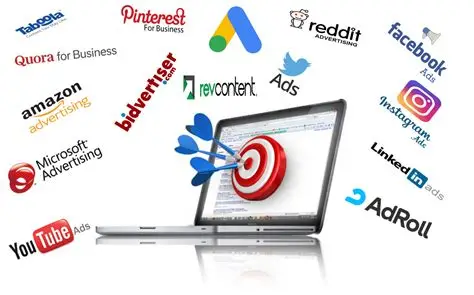
Advertising your business is not about “running ads” — it’s about systematically turning attention into customers. Many businesses fail at advertising not because ads don’t work, but because they skip strategy, choose the wrong channels, or expect instant results without testing.
This article walks you through exactly how to advertise your business, whether you’re a small local company, an online brand, a startup, or a growing business — from planning and positioning to execution and scaling.
1. Start With the Right Mindset About Advertising
Before choosing platforms or creating ads, understand this:
Advertising amplifies what already exists.
If your offer, pricing, or messaging is weak, ads will fail faster.
Advertising is not magic — it’s a multiplier.
2. Step 1: Clearly Define Your Advertising Goal
Every successful advertising campaign starts with a single, clear objective.
Common business advertising goals include:
-
brand awareness
-
website traffic
-
lead generation
-
phone calls
-
online sales
-
app installs
-
in-store visits
❌ “I want more customers”
✅ “I want 50 qualified leads per month at under $20 each”
Clear goals determine everything else.
3. Step 2: Identify Your Target Customer
You must know who you are advertising to.
Define:
-
age range
-
location
-
job or lifestyle
-
pain points
-
desires
-
buying triggers
Example:
“Local homeowners aged 30–60 who need emergency plumbing services”
The more specific the audience, the more effective the advertising.
4. Step 3: Understand Where Your Audience Is
Different audiences live on different platforms.
-
searching for solutions → Google Ads
-
scrolling and discovering → Facebook, Instagram, TikTok
-
professional decisions → LinkedIn
-
watching tutorials → YouTube
You don’t need to advertise everywhere — just where attention already exists.
5. Step 4: Choose the Right Advertising Channel
Match the platform to your business type.
Local businesses
-
Google Search Ads
-
Google Maps
-
Facebook local ads
E-commerce
-
Facebook & Instagram Ads
-
TikTok Ads
-
Google Shopping Ads
B2B businesses
-
LinkedIn Ads
-
Google Search Ads
-
YouTube (education-based)
Service businesses
-
Google Ads
-
Local Facebook Ads
Platform choice matters more than budget size.
6. Step 5: Create an Offer Worth Advertising
Ads don’t sell — offers do.
A strong offer includes:
-
a clear benefit
-
a solution to a real problem
-
a reason to act now
-
low friction
Examples:
-
“Free consultation”
-
“10% off first order”
-
“Download the guide”
-
“Book a demo”
Weak offers kill ad performance.
7. Step 6: Craft Your Advertising Message
Your message must answer:
“Why should I care?”
Effective messaging includes:
-
a clear headline
-
a problem your customer recognizes
-
a promise or outcome
-
a call to action (CTA)
Keep it simple. Confusion = lost money.
8. Step 7: Design or Produce Ad Creative
Ad creative depends on the platform.
Text-based ads (Google Search)
-
clarity over creativity
-
match search intent
Visual ads (social media)
-
eye-catching visuals
-
emotional hooks
-
native platform style
Video ads
-
hook in first 3 seconds
-
show the outcome
-
explain simply
Good creative lowers costs and improves results.
9. Step 8: Set a Realistic Advertising Budget
Start small, then scale.
Beginner-friendly approach:
-
$10–$30 per day
-
test for 2–4 weeks
-
collect data
Avoid spending too little — platforms need data to optimize.
10. Step 9: Build a Conversion Path
Ads should never lead to random pages.
Direct traffic to:
-
landing pages
-
product pages
-
booking pages
A good conversion page includes:
-
clear headline
-
benefit-driven copy
-
social proof
-
simple CTA
Ads fail when the destination fails.
11. Step 10: Launch, Track, and Measure Everything
Advertising without tracking is guessing.
Track:
-
clicks
-
leads
-
conversions
-
cost per result
-
return on ad spend (ROAS)
Use tools like:
-
Google Analytics
-
platform dashboards
-
conversion tracking pixels
Data guides decisions.
12. Step 11: Test Before You Scale
Never assume your first ads will be perfect.
Test:
-
different headlines
-
visuals
-
audiences
-
offers
Kill losers quickly. Scale winners slowly.
13. Step 12: Optimize and Improve Performance
Optimization includes:
-
refining targeting
-
improving creatives
-
adjusting budgets
-
improving landing pages
Small improvements compound.
14. Retargeting: The Secret Weapon
Most people don’t convert on the first visit.
Retarget:
-
website visitors
-
video viewers
-
cart abandoners
Retargeting ads are cheaper and convert better.
15. Advertising for Small Businesses (Practical Tips)
-
focus on local intent
-
use clear CTAs (call, book, visit)
-
highlight trust (reviews, testimonials)
-
keep messaging simple
Local advertising thrives on relevance, not scale.
16. Advertising for Online Businesses
-
prioritize conversion tracking
-
test creatives constantly
-
focus on ROAS, not clicks
-
build funnels
Online advertising rewards systems thinking.
17. Common Advertising Mistakes to Avoid
❌ Advertising without a clear goal
❌ Copying competitors blindly
❌ Sending traffic to weak pages
❌ Stopping too early
❌ Ignoring data
Most failures are strategic, not technical.
18. How Long Before Advertising Works?
Expect:
-
learning phase (2–4 weeks)
-
initial inefficiency
-
gradual improvement
Advertising is a process, not a switch.
19. Paid Advertising vs Organic Marketing
Organic:
-
slower
-
long-term
-
lower cost
Paid:
-
faster
-
scalable
-
controllable
The best businesses use both together.
20. When to Hire Help
Consider hiring:
-
freelancers
-
agencies
-
consultants
When:
-
ad spend grows
-
complexity increases
-
time becomes scarce
Expertise saves money at scale.
21. Advertising Ethics and Trust
Honest advertising:
-
builds trust
-
improves retention
-
protects brand reputation
Short-term tricks destroy long-term value.
22. Advertising Is Iterative, Not Perfect
Every successful advertiser:
-
tests
-
fails
-
learns
-
improves
Consistency beats perfection.
23. Scaling Advertising Safely
Scale when:
-
conversions are predictable
-
costs are stable
-
tracking is accurate
Scaling amplifies results — good or bad.
24. The Role of Branding in Advertising
Strong brands:
-
convert better
-
pay less per click
-
retain customers
Brand and performance work together.
25. Final Takeaway
To advertise your business successfully:
-
Set a clear goal
-
Know your audience
-
Choose the right platform
-
Create a strong offer
-
Track and optimize relentlessly
Advertising isn’t about spending money —
it’s about buying attention and converting it into growth.
When done right, advertising becomes one of the most powerful tools your business can use.
- Arts
- Business
- Computers
- Games
- Health
- Home
- Kids and Teens
- Money
- News
- Personal Development
- Recreation
- Regional
- Reference
- Science
- Shopping
- Society
- Sports
- Бизнес
- Деньги
- Дом
- Досуг
- Здоровье
- Игры
- Искусство
- Источники информации
- Компьютеры
- Личное развитие
- Наука
- Новости и СМИ
- Общество
- Покупки
- Спорт
- Страны и регионы
- World

 Russian
 French
 Spanish
 Portuguese
 Deutsch
 Turkish
 Dutch
Dutch
 Italiano
 Arabic
 Romaian
 Portuguese (Brazil)
 Greek
Greek