
What Is David Ogilvy’s Biography?
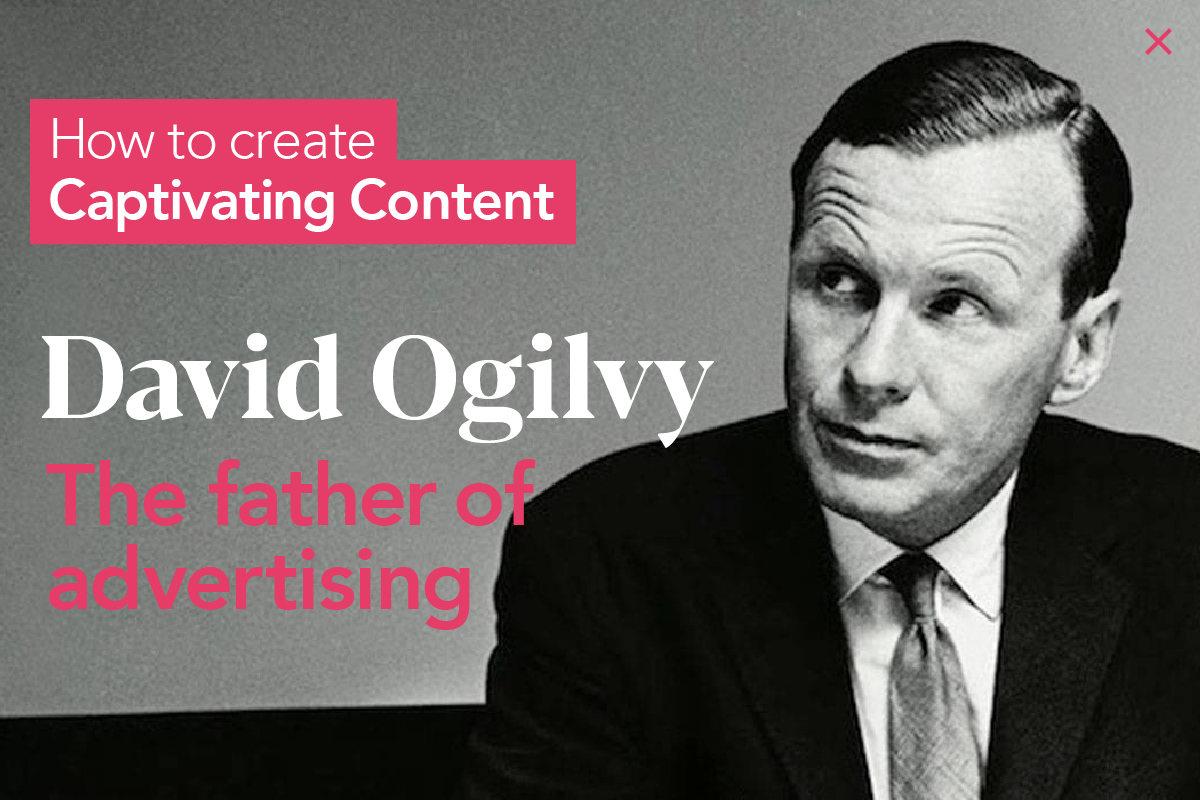
Few names in advertising carry as much weight as David Ogilvy. Often referred to as the father of modern advertising, Ogilvy reshaped how advertising is created, managed, and respected as a profession. His ideas about research, creativity, brand building, and respect for consumers transformed advertising from a loosely organized trade into a disciplined and influential industry.
David Ogilvy’s biography is not merely the story of an advertising executive; it is the story of how modern advertising came to be. His life journey—from modest beginnings and varied early careers to global influence—reveals how curiosity, discipline, and principles can shape an entire field.
This article explores David Ogilvy’s biography in depth, examining his early life, career development, philosophy, achievements, and lasting impact on advertising and marketing worldwide.
Early Life and Education
David Mackenzie Ogilvy was born in England in the early 20th century. His upbringing was shaped by intellectual curiosity and exposure to diverse ideas, though his early years were not marked by privilege or certainty.
Ogilvy attended prestigious educational institutions but struggled to find a clear direction early in life. Rather than following a linear academic path, he explored various interests, which later contributed to his interdisciplinary approach to advertising.
His early experiences taught him adaptability, self-reliance, and the value of learning from failure—traits that would later define his career.
Early Career Experiences Outside Advertising
Before entering advertising, Ogilvy held several jobs that profoundly influenced his thinking.
He worked in:
-
Sales roles
-
Research-oriented positions
-
Hospitality and service environments
One of his most formative experiences was in sales, where he learned firsthand how people make purchasing decisions. This experience reinforced his belief that persuasion must be rooted in understanding human behavior.
Another crucial chapter involved research work, which instilled in him a respect for data, testing, and evidence-based decision-making.
These early roles shaped Ogilvy’s belief that great advertising must balance creativity with discipline.
Entry Into Advertising
Ogilvy entered advertising later than many of his peers, bringing with him a unique blend of experiences. His unconventional background allowed him to question industry norms rather than accept them blindly.
He quickly distinguished himself through his ability to write clear, persuasive copy and his insistence on understanding the product and the consumer.
Ogilvy approached advertising not as art for art’s sake, but as a form of communication with measurable objectives.
Founding of Ogilvy & Mather
One of the defining moments in Ogilvy’s biography was the founding of Ogilvy & Mather. What began as a modest agency grew into one of the most influential advertising firms in the world.
Ogilvy built the agency around core principles:
-
Respect for research and data
-
High creative standards
-
Professional training and mentorship
-
Long-term brand building
He believed agencies should be learning organizations that developed talent and upheld consistent values.
Ogilvy’s Advertising Philosophy
David Ogilvy’s philosophy remains one of the most quoted and studied in advertising.
Research as the Foundation
Ogilvy believed that creativity without research was irresponsible. He argued that understanding consumers, products, and markets was essential to effective advertising.
Research informed:
-
Messaging
-
Targeting
-
Product positioning
-
Media decisions
This approach distinguished him from purely intuitive creatives.
Clarity Over Cleverness
Ogilvy valued clarity more than wit. While he appreciated creativity, he insisted that advertisements should be easily understood and directly relevant to consumers.
He believed that confusing advertising wasted money and damaged trust.
Respect for the Consumer
Central to Ogilvy’s philosophy was respect for consumer intelligence. He rejected condescension and exaggeration, advocating honesty and relevance.
This respect contributed to long-term brand credibility.
Brand Image and Consistency
Ogilvy believed that every advertisement contributes to a brand’s image. Consistency across campaigns helped build recognizable, trustworthy brands.
He emphasized long-term thinking over short-term sales tactics.
Notable Campaigns and Achievements
Ogilvy’s career included numerous influential campaigns that exemplified his principles.
These campaigns were notable for:
-
Strong headlines
-
Clear product benefits
-
Credibility and authority
-
Emotional restraint paired with persuasion
Rather than flashy gimmicks, his work focused on substance and persuasion.
Leadership Style and Agency Culture
As a leader, Ogilvy was demanding but deeply invested in developing talent. He believed in hiring people smarter than himself and fostering intellectual curiosity.
He encouraged learning, reading, and disciplined thinking within his agency.
Ogilvy also valued diversity of thought and background, believing it strengthened creative output.
Writing and Thought Leadership
Ogilvy’s books and essays played a major role in cementing his legacy. Through writing, he codified advertising principles and made them accessible to a global audience.
His writings covered:
-
Copywriting
-
Creative standards
-
Agency management
-
Ethics in advertising
These works continue to be used in advertising education today.
Global Expansion and Influence
Under Ogilvy’s leadership, Ogilvy & Mather expanded internationally. His principles proved adaptable across cultures and markets.
This global reach reinforced his influence and helped standardize modern advertising practices worldwide.
Criticism and Debate
Despite his influence, Ogilvy was not without critics. Some argued that his rules limited creative freedom or favored rational persuasion over emotional storytelling.
However, even critics acknowledged the effectiveness and integrity of his approach.
Debate around Ogilvy reflects the broader tension in advertising between structure and creativity.
Later Years and Reflection
In his later years, Ogilvy reflected on changes in advertising, including the rise of television and early digital technologies.
While he acknowledged change, he maintained that core principles—clarity, research, respect—remained constant.
He continued to write, mentor, and influence the industry long after stepping back from daily agency operations.
Ogilvy’s Legacy in Modern Advertising
David Ogilvy’s legacy is embedded in nearly every aspect of modern advertising.
His influence is evident in:
-
Brand strategy
-
Copywriting standards
-
Agency professionalism
-
Ethical considerations
-
Global advertising practices
Even as technology evolves, his principles remain relevant.
Why Ogilvy Still Matters Today
In an era of data, automation, and digital platforms, Ogilvy’s emphasis on understanding people and communicating clearly is more important than ever.
His work reminds advertisers that technology amplifies ideas—but ideas remain human.
Conclusion
David Ogilvy’s biography is the story of how advertising became modern. Through discipline, creativity, respect, and leadership, he transformed advertising into a profession grounded in intelligence and integrity.
He did not invent advertising, but he refined it into a system that could be taught, scaled, and sustained. His life and work continue to inspire advertisers worldwide.
For anyone seeking to understand advertising’s past, present, and future, David Ogilvy’s biography remains essential reading.
- Arts
- Business
- Computers
- Jogos
- Health
- Início
- Kids and Teens
- Money
- News
- Personal Development
- Recreation
- Regional
- Reference
- Science
- Shopping
- Society
- Sports
- Бизнес
- Деньги
- Дом
- Досуг
- Здоровье
- Игры
- Искусство
- Источники информации
- Компьютеры
- Личное развитие
- Наука
- Новости и СМИ
- Общество
- Покупки
- Спорт
- Страны и регионы
- World

 English
 Russian
 French
 Spanish
 Deutsch
 Turkish
 Dutch
Dutch
 Italiano
 Arabic
 Romaian
 Portuguese (Brazil)
 Greek
Greek