
What Advertising Leaders Changed the Industry?
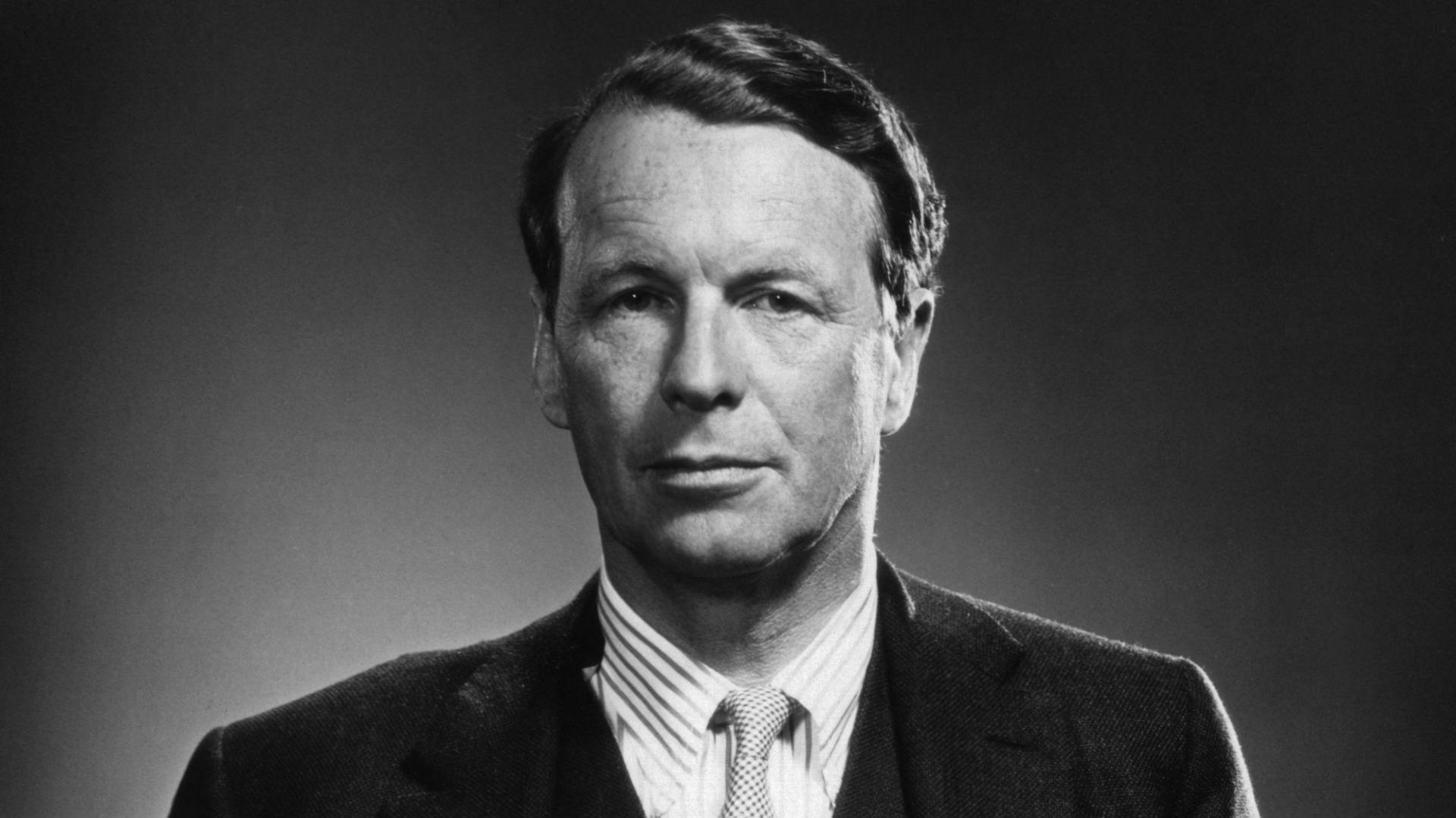
Advertising has never been shaped by technology alone. While media channels, tools, and platforms evolve, it is people—visionary leaders—who redefine how advertising works, what it stands for, and how it influences culture. Across decades, a group of advertising leaders fundamentally changed the industry by challenging norms, introducing new philosophies, and responding to social and technological change.
These leaders were not simply successful executives or talented creatives. They were pioneers, innovators, and disruptors whose ideas reshaped agency structures, creative standards, ethical expectations, and the relationship between brands and consumers. Their impact can still be felt in modern advertising, from brand storytelling and creative teams to digital engagement and purpose-driven marketing.
This article explores the advertising leaders who changed the industry, examining how their ideas emerged, what they disrupted, and why their legacies endure.
What Defines an Advertising Leader?
An advertising leader is not defined solely by titles or revenue. The leaders who truly changed the industry shared several defining traits:
-
A clear philosophy about communication and persuasion
-
Willingness to challenge existing norms
-
Influence beyond their own organizations
-
Lasting impact on creative, strategic, or ethical standards
-
Ability to adapt advertising to cultural change
True leaders shifted how the industry thought—not just how it operated.
Early Pioneers Who Built the Foundations
Before advertising became a recognized profession, early pioneers laid its groundwork.
Claude Hopkins: Accountability and Measurement
Claude Hopkins introduced the idea that advertising should be tested, measured, and held accountable. At a time when advertising claims were often exaggerated and unverified, Hopkins emphasized results.
His insistence on proof, testing, and consumer psychology laid the foundation for performance marketing and analytics-driven advertising.
Albert Lasker: Institutionalizing Advertising
Albert Lasker helped formalize advertising as a professional discipline. He believed advertising was “salesmanship in print,” emphasizing persuasion through structured messaging.
Lasker’s leadership helped establish advertising agencies as legitimate businesses rather than informal creative shops.
Creative Revolutionaries Who Changed How Advertising Looked and Felt
Mid-20th-century advertising experienced a creative revolution led by individuals who rejected formulaic messaging.
Bill Bernbach: Creativity as Strategy
Bill Bernbach transformed advertising by proving that creativity itself could be a strategic advantage. He rejected rigid rules and prioritized originality, honesty, and emotional connection.
Bernbach also changed agency culture by pairing copywriters and art directors as collaborative teams—now a standard practice.
Leo Burnett: Human Truth and Brand Personality
Leo Burnett believed that brands should reflect human values and emotions. He introduced warmth, storytelling, and character-driven branding into advertising.
Burnett’s leadership emphasized empathy and simplicity, influencing how brands communicate authenticity.
George Lois: Provocation and Boldness
George Lois challenged polite advertising by embracing confrontation and visual impact. He believed advertising should provoke thought and emotional response.
His work influenced not only advertising but also editorial design and visual culture.
Leaders Who Professionalized and Globalized Advertising
As advertising expanded globally, leaders emerged who emphasized structure, ethics, and scalability.
David Ogilvy: Discipline and Respect
David Ogilvy professionalized advertising by combining creativity with research and ethics. His leadership standardized best practices across agencies and markets.
Ogilvy demonstrated that advertising could be both persuasive and principled.
John W. Young: Global Agency Expansion
John W. Young helped build global agency networks, enabling brands to maintain consistent messaging across markets.
His leadership recognized the growing importance of international communication.
Innovators Who Anticipated the Future
Some leaders changed the industry by anticipating shifts long before they became mainstream.
Howard Gossage: Interactive Thinking
Howard Gossage believed advertising should be a dialogue rather than a monologue. He encouraged participation, feedback, and community engagement.
His ideas foreshadowed digital and social media advertising decades in advance.
Mary Wells Lawrence: Creativity and Leadership Redefined
Mary Wells Lawrence brought theatricality, emotion, and bold leadership into advertising. She broke gender barriers while redefining brand expression.
Her leadership demonstrated that advertising could be exciting, imaginative, and culturally influential.
Modern Leaders Who Redefined Brand Purpose
In the late 20th and early 21st centuries, advertising leaders responded to changing consumer expectations.
Dan Wieden: Brand as Culture
Dan Wieden believed brands should stand for something meaningful. He emphasized authenticity, storytelling, and long-term relationships over transactional messaging.
His leadership helped shape purpose-driven advertising.
Phil Dusenberry: Emotional Branding
Phil Dusenberry argued that brands are built through emotion rather than logic alone. His ideas influenced how brands connect with audiences on a deeper level.
John Hegarty: Creative Bravery and Simplicity
John Hegarty championed simplicity, bold ideas, and long-term brand thinking. He believed creativity required courage and clarity.
His leadership influenced modern agency culture and creative leadership.
Disruptors in the Digital Era
The digital age introduced new forms of leadership focused on technology, data, and user experience.
Digital-First Innovators
Digital advertising leaders challenged traditional media models by emphasizing:
-
Targeting and personalization
-
Real-time optimization
-
Data-driven creativity
-
Two-way communication
These leaders redefined how advertising measures success and interacts with consumers.
How These Leaders Changed Agency Culture
Collectively, advertising leaders reshaped agency culture in several ways:
-
Emphasizing collaboration over hierarchy
-
Valuing creativity as a business driver
-
Encouraging diversity of thought
-
Integrating strategy and creativity
Modern agencies reflect these cultural shifts.
Ethical and Social Influence of Advertising Leaders
Many advertising leaders recognized advertising’s power to influence society. Their leadership contributed to:
-
Higher ethical standards
-
Greater accountability
-
Awareness of representation and inclusion
While imperfect, these efforts moved the industry toward greater responsibility.
Lessons From Advertising Leaders
The leaders who changed advertising offer enduring lessons:
-
Creativity and strategy are inseparable
-
Respect for the audience builds trust
-
Innovation requires risk
-
Leadership shapes culture as much as output
-
Advertising reflects societal values
These lessons remain relevant across generations.
Why Leadership Still Matters in Advertising
Despite automation and technology, leadership remains essential. Advertising leaders guide vision, values, and creative direction.
Tools change, but leadership defines purpose.
Conclusion
Advertising has been shaped by individuals willing to challenge norms, rethink communication, and push creative boundaries. From pioneers like Claude Hopkins to modern leaders like Dan Wieden, these figures changed not just advertising techniques but the industry’s identity.
Their contributions demonstrate that advertising evolves through human insight, courage, and leadership. Understanding these pioneers, innovators, and disruptors provides a deeper appreciation of advertising as both a business and a cultural force.
The industry continues to evolve—but it does so on foundations built by leaders who dared to imagine advertising differently.
- Arts
- Business
- Computers
- Games
- Health
- Home
- Kids and Teens
- Money
- News
- Personal Development
- Recreation
- Regional
- Reference
- Science
- Shopping
- Society
- Sports
- Бизнес
- Деньги
- Дом
- Досуг
- Здоровье
- Игры
- Искусство
- Источники информации
- Компьютеры
- Личное развитие
- Наука
- Новости и СМИ
- Общество
- Покупки
- Спорт
- Страны и регионы
- World

 Russian
 French
 Spanish
 Portuguese
 Deutsch
 Turkish
 Dutch
Dutch
 Italiano
 Arabic
 Romaian
 Portuguese (Brazil)
 Greek
Greek