
What Are the Career Backgrounds of Top Advertising Executives?
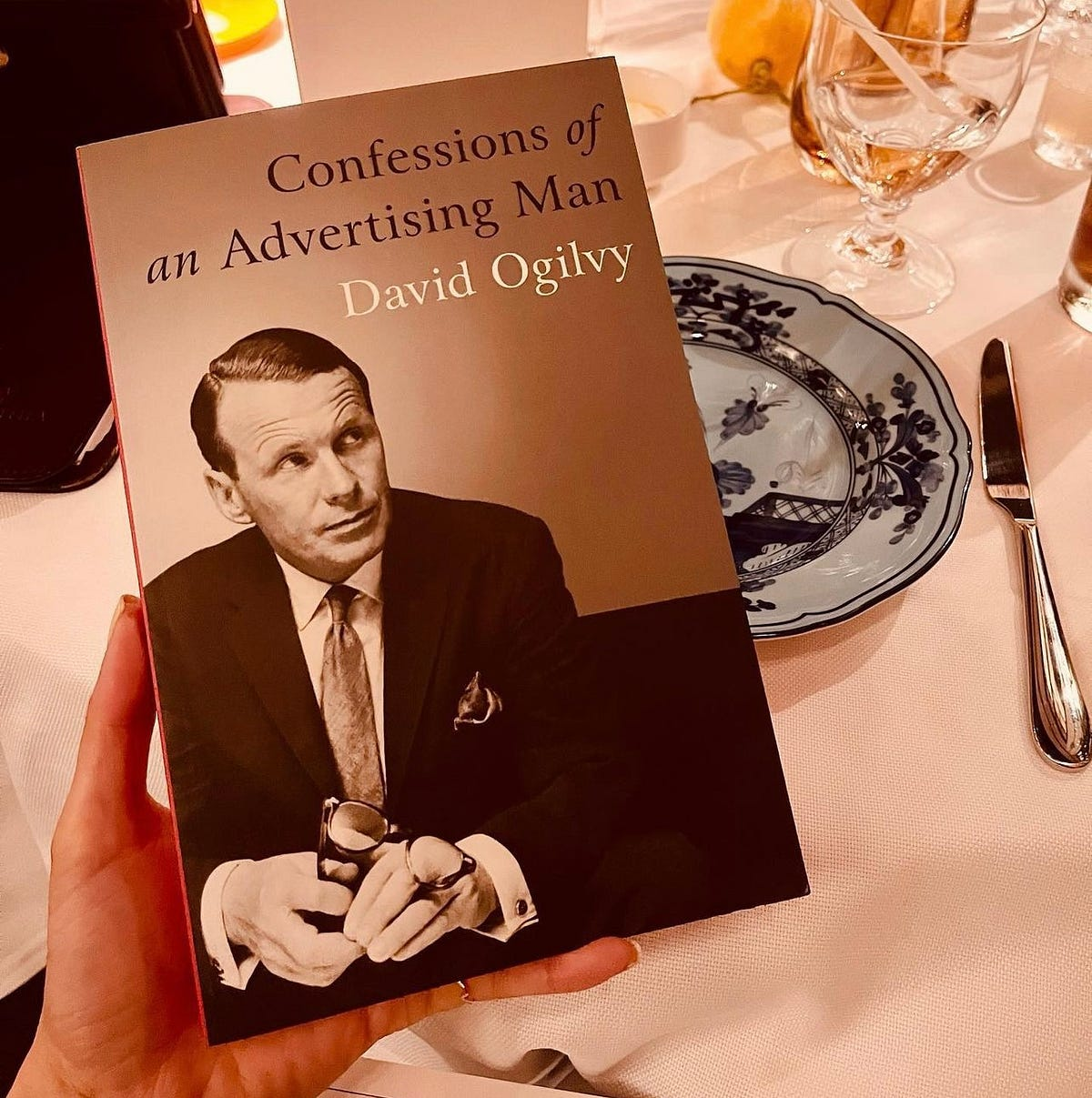
Unlike many traditional corporate careers, advertising leadership rarely follows a single, predictable path. The advertising industry is known for attracting people from diverse backgrounds—writers, artists, strategists, psychologists, salespeople, technologists, and entrepreneurs. As a result, the career backgrounds of top advertising executives are varied, unconventional, and often shaped by curiosity rather than rigid planning.
What unites these leaders is not where they started, but how they learned to combine creativity, business acumen, and cultural awareness. Understanding the career backgrounds of top advertising executives reveals how advertising leadership develops, what skills matter most, and why adaptability is essential in this industry.
This article explores the common and uncommon career paths that lead to executive leadership in advertising, examining education, early roles, transitions, and the experiences that shape industry leaders.
Why Advertising Careers Are Nonlinear
Advertising sits at the intersection of art and commerce. Because it requires both creative thinking and strategic discipline, there is no single “correct” background for success.
Top advertising executives often come from:
-
Creative disciplines
-
Business and management
-
Psychology and behavioral sciences
-
Journalism and writing
-
Technology and data
-
Sales and client service
The industry rewards insight, adaptability, and communication more than formal credentials alone.
Educational Backgrounds of Advertising Executives
While education plays a role, it is rarely the defining factor in advertising leadership.
Liberal Arts and Humanities
Many top advertising executives studied liberal arts subjects such as:
-
English
-
History
-
Philosophy
-
Sociology
-
Political science
These fields develop critical thinking, storytelling, and cultural awareness—skills essential for understanding audiences and crafting messages.
Executives with humanities backgrounds often excel in brand strategy, creative leadership, and long-term vision.
Business and Management Education
Some advertising executives come from business-focused backgrounds, including:
-
Business administration
-
Marketing
-
Economics
-
Finance
These leaders often gravitate toward agency management, operations, or client leadership roles. Their strength lies in scaling organizations, managing growth, and aligning creativity with business outcomes.
However, even business-trained executives must develop creative sensitivity to succeed in advertising.
Art, Design, and Creative Education
Many creative leaders studied:
-
Graphic design
-
Fine arts
-
Photography
-
Film
-
Copywriting
These backgrounds are common among chief creative officers and founders known for visual or storytelling excellence.
Creative education fosters experimentation, originality, and aesthetic judgment—qualities central to advertising impact.
Psychology and Behavioral Sciences
Some executives studied psychology, anthropology, or behavioral science. These backgrounds are particularly valuable in advertising, which relies on understanding human motivation and decision-making.
Leaders with this training often excel in:
-
Consumer insights
-
Strategy and planning
-
Research-driven creativity
Their influence is increasingly important in data-informed advertising environments.
Early Career Roles That Shape Advertising Leaders
Most advertising executives begin in entry-level roles that expose them to the realities of agency life.
Account Management and Client Service
Account management is one of the most common starting points for future executives. These roles involve managing client relationships, coordinating teams, and ensuring strategic alignment.
Account managers develop:
-
Communication skills
-
Business understanding
-
Project leadership
-
Client empathy
Many CEOs and agency presidents began their careers in client service.
Copywriting and Content Creation
Copywriting is another common entry point, especially for creative leaders. Writing ads teaches clarity, persuasion, and audience awareness.
Copywriters often transition into creative direction or leadership roles after developing strategic insight.
Art Direction and Design
Art directors and designers focus on visual storytelling and brand aesthetics. These roles build an understanding of how visuals influence perception.
Creative executives with design backgrounds often lead agencies known for strong visual identity.
Media Planning and Buying
Media roles provide insight into audience behavior, channels, and performance metrics. Leaders with media backgrounds often bring a data-driven perspective to executive decision-making.
Strategy and Planning
Strategic planners research audiences, analyze trends, and define brand positioning. This role develops high-level thinking and cross-disciplinary collaboration.
Many strategists later move into executive leadership because of their holistic view of advertising.
Career Progression in Advertising Leadership
Advertising careers often progress through a mix of skill development, opportunity, and timing.
Moving From Specialist to Generalist
Early careers often focus on specialization. As professionals advance, leadership requires broader perspective.
Executives must understand:
-
Creativity
-
Strategy
-
Business operations
-
Client needs
-
Cultural trends
The transition from specialist to generalist is a defining step toward leadership.
Agency Hopping and Experience Diversity
Many advertising executives build experience by working at multiple agencies. Each agency exposes them to different cultures, clients, and philosophies.
This diversity helps leaders develop adaptability and perspective.
Founding or Joining Startups
Some executives take entrepreneurial paths, founding agencies or joining startups. These experiences teach risk-taking, resilience, and innovation.
Entrepreneurial backgrounds are common among industry disruptors.
Skills Developed Through Advertising Careers
Regardless of background, top advertising executives share a common skill set developed through experience.
Strategic Thinking
Executives learn to balance creativity with business goals. Strategic thinking allows them to make decisions that align long-term brand value with short-term performance.
Creative Judgment
Even non-creative executives must evaluate ideas. Understanding what makes work effective is essential to leadership.
People Leadership
Advertising is collaborative. Executives must inspire, mentor, and manage diverse teams.
Strong leaders create cultures that attract and retain talent.
Communication and Persuasion
Advertising executives must communicate vision internally and persuade clients externally. Clear communication is foundational.
Adaptability
Advertising changes constantly. Leaders must adapt to new platforms, technologies, and cultural shifts.
Non-Traditional Backgrounds in Advertising Leadership
One of advertising’s defining features is its openness to unconventional backgrounds.
Journalism and Writing
Former journalists bring storytelling skills and ethical awareness. They often excel in content strategy and brand narrative.
Sales and Retail
Executives with sales backgrounds understand consumer behavior and revenue dynamics, helping align creativity with business outcomes.
Technology and Data
As advertising becomes more digital, leaders with technical or analytical backgrounds play an increasing role.
These executives bridge creativity and technology.
Geographic and Cultural Backgrounds
Top advertising executives come from diverse geographic and cultural backgrounds. Global experience enhances cultural sensitivity and adaptability.
International exposure is increasingly valuable as brands operate across markets.
Challenges Faced on the Path to Leadership
Advertising leadership is demanding. Common challenges include:
-
Managing creative pressure
-
Balancing innovation with client expectations
-
Navigating rapid industry change
-
Maintaining ethical standards
Executives who succeed learn from setbacks rather than avoiding risk.
Gender, Diversity, and Changing Leadership Profiles
Historically, advertising leadership lacked diversity. However, the industry is gradually expanding opportunities for underrepresented groups.
Modern executives increasingly come from varied backgrounds, enriching creative and strategic perspectives.
Lessons From Advertising Executives’ Career Paths
The career backgrounds of top advertising executives reveal important lessons:
-
There is no single path to success
-
Curiosity and learning matter more than credentials
-
Experience across disciplines builds leadership capability
-
Adaptability is essential
-
Creativity and business thinking must coexist
These lessons are valuable for anyone considering a career in advertising.
Why Career Backgrounds Matter
Understanding executive backgrounds helps demystify leadership and makes advertising careers more accessible.
It shows that success is built through exploration, skill development, and resilience—not predetermined paths.
Conclusion
The career backgrounds of top advertising executives are as diverse as the industry itself. From creative arts and liberal studies to business, psychology, and technology, advertising leadership emerges from many disciplines.
What unites these leaders is not where they started, but how they learned to think strategically, communicate effectively, and adapt continuously. Their careers reflect advertising’s core truth: great ideas come from diverse perspectives.
As advertising continues to evolve, the paths to leadership will remain flexible, creative, and open to those willing to learn, experiment, and lead.
- Arts
- Business
- Computers
- Games
- Health
- Home
- Kids and Teens
- Money
- News
- Personal Development
- Recreation
- Regional
- Reference
- Science
- Shopping
- Society
- Sports
- Бизнес
- Деньги
- Дом
- Досуг
- Здоровье
- Игры
- Искусство
- Источники информации
- Компьютеры
- Личное развитие
- Наука
- Новости и СМИ
- Общество
- Покупки
- Спорт
- Страны и регионы
- World

 Russian
 French
 Spanish
 Portuguese
 Deutsch
 Turkish
 Dutch
Dutch
 Italiano
 Arabic
 Romaian
 Portuguese (Brazil)
 Greek
Greek