
What Mistakes Did Famous Advertisers Make?
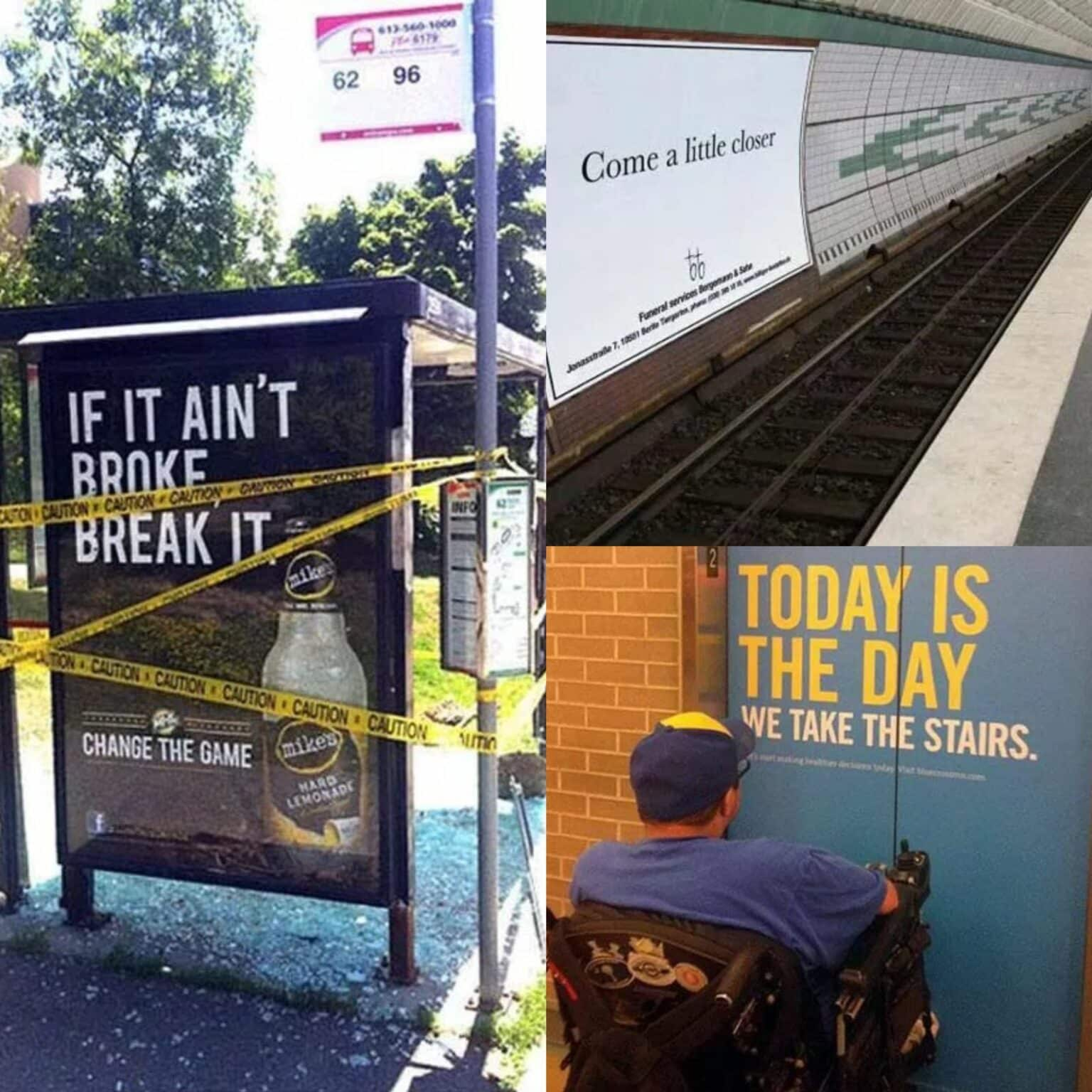
The advertising industry celebrates success—award-winning campaigns, iconic slogans, and legendary careers. Yet behind every famous advertiser’s achievements lies a trail of mistakes, miscalculations, rejected ideas, and strategic failures. These mistakes are not footnotes; they are central to understanding how great advertisers learned, adapted, and ultimately reshaped the industry.
Unlike fields where errors can be hidden, advertising mistakes are often public. Campaigns fail in full view of audiences, clients, and competitors. What separates famous advertisers from the rest is not an absence of mistakes, but their ability to learn from them, refine their thinking, and move forward with greater clarity.
This article examines the types of mistakes made by famous advertisers, why those mistakes occurred, and what modern marketers can learn from them.
Why Studying Advertising Mistakes Matters
Advertising mistakes provide insight that success alone cannot.
They reveal:
-
How decision-making breaks down under pressure
-
The limits of creativity without strategy
-
The dangers of ignoring cultural context
-
The importance of humility and adaptation
Mistakes humanize legends and make their success more instructive.
David Ogilvy: Overconfidence and Rigidity
David Ogilvy is often remembered for his discipline and clarity, but his career was not without missteps.
Resistance to Change
One of Ogilvy’s most notable mistakes was his skepticism toward television advertising in its early days. Initially, he underestimated its power compared to print, which delayed his agency’s full embrace of the medium.
This hesitation reflected:
-
Overreliance on proven methods
-
Preference for familiar formats
-
Underestimating new media behavior
Eventually, Ogilvy adapted, but the delay was a learning moment.
Overemphasis on Rules
Ogilvy’s strong principles sometimes became rigid rules. Critics argue that his strict adherence to research and structure occasionally limited creative risk.
This highlights a broader lesson: principles should guide creativity, not constrain it.
Bill Bernbach: Betting on Creativity in Conservative Markets
Bill Bernbach revolutionized advertising through creativity, but this approach carried risks.
Client Resistance and Account Losses
Bernbach’s emotionally driven, minimalist advertising style was not immediately accepted by all clients. Some campaigns were misunderstood or rejected outright.
At times, DDB lost business because clients were uncomfortable with unconventional ideas.
The mistake was not creative failure, but misalignment between vision and client readiness.
Lesson Learned
Bernbach’s experience shows that even brilliant ideas require stakeholder alignment and education.
Leo Burnett: Over-Reliance on Characters
Leo Burnett’s use of mascots and brand characters became iconic—but also problematic in some cases.
When Symbols Became Crutches
Some critics argue that Burnett agencies occasionally leaned too heavily on characters, allowing symbolism to replace strategic clarity.
This led to campaigns that were memorable but lacked differentiation.
The mistake underscores the danger of repeating successful formulas without reassessing relevance.
Claude Hopkins: Ignoring Emotional Branding
Claude Hopkins believed strongly in rational persuasion, testing, and measurable results.
Underestimating Emotion
One of Hopkins’ limitations was his dismissal of emotional storytelling. While effective in direct response, this approach sometimes lacked brand-building power.
As branding evolved, purely rational appeals proved insufficient for long-term loyalty.
Hopkins’ mistake illustrates how over-optimization can weaken emotional connection.
Rosser Reeves: Oversimplification of Messaging
Rosser Reeves’ Unique Selling Proposition was revolutionary—but also restrictive.
One Message at All Costs
Reeves insisted on focusing on a single product benefit, sometimes ignoring broader brand values or emotional resonance.
This rigidity led to campaigns that were clear but uninspiring.
The lesson: clarity is essential, but reductionism can limit brand richness.
George Lois: Ego and Confrontation
George Lois’ career was fueled by confidence and confrontation—but those same traits caused setbacks.
Alienating Clients and Colleagues
Lois’ aggressive style sometimes alienated clients, peers, and collaborators. His refusal to compromise led to broken relationships and lost opportunities.
While his work remains influential, his interpersonal approach created friction.
The takeaway: confidence must be balanced with collaboration.
Mary Wells Lawrence: Risky Boldness
Mary Wells Lawrence built her reputation on bold, theatrical creativity.
Campaigns That Polarized Audiences
Some of her campaigns divided audiences and clients. Boldness, while powerful, occasionally crossed into excess.
This reveals a key tension in advertising: innovation requires risk, but risk demands careful judgment.
Misreading Cultural Context
Many famous advertisers made mistakes by failing to anticipate cultural shifts.
Examples include:
-
Messaging that aged poorly
-
Assumptions based on outdated norms
-
Lack of diversity and inclusion
These mistakes were often unintentional but highlight the importance of cultural awareness.
Overconfidence After Success
Success can breed complacency.
Some advertisers repeated winning formulas long after audiences moved on. Others underestimated competitors or changing consumer expectations.
The mistake: confusing past success with future certainty.
Underestimating the Audience
A recurring mistake across advertising history is underestimating audience intelligence.
Overly simplistic or patronizing messaging often backfired.
Famous advertisers learned that respect for the audience is non-negotiable.
Agency Expansion Mistakes
Many advertising leaders struggled with growth.
Rapid expansion led to:
-
Diluted culture
-
Inconsistent quality
-
Leadership strain
Scaling creativity proved harder than scaling operations.
Technology Adoption Errors
Some famous advertisers resisted emerging technologies, while others adopted them too aggressively without strategy.
Both extremes led to missed opportunities.
Balance between experimentation and discipline remains critical.
Ethical Blind Spots
Historically, advertising sometimes ignored ethical implications.
Some campaigns reinforced stereotypes or encouraged harmful behaviors.
These mistakes prompted industry-wide conversations about responsibility and regulation.
Failure as a Teacher in Advertising Careers
What distinguishes famous advertisers is how they responded to mistakes.
They:
-
Reflected critically
-
Adjusted strategy
-
Refined principles
-
Mentored others
Failure became a source of wisdom.
Common Patterns in Advertising Mistakes
Across biographies, common patterns emerge:
-
Rigidity in thinking
-
Ego-driven decisions
-
Ignoring feedback
-
Misreading audiences
-
Resisting change
Recognizing these patterns helps modern advertisers avoid repetition.
Why Mistakes Did Not End These Careers
Advertising rewards adaptation.
Famous advertisers survived mistakes because they remained curious, humble, and committed to learning.
Mistakes became chapters, not conclusions.
Lessons for Modern Advertisers
Modern marketers can learn several lessons from these mistakes:
-
Stay flexible
-
Respect cultural change
-
Balance creativity with empathy
-
Test without losing vision
-
Treat failure as feedback
These lessons are timeless.
Mistakes as Part of Creative Risk
Advertising innovation requires risk, and risk guarantees mistakes.
Avoiding mistakes often means avoiding originality.
The goal is not perfection, but progress.
Conclusion
Famous advertisers did not achieve greatness by avoiding mistakes—they achieved it by learning from them. Their careers were shaped as much by failure as by success. Misjudgments, rigidity, overconfidence, and cultural blind spots all played roles in their journeys.
By studying these mistakes, modern advertisers gain perspective, humility, and resilience. Advertising history reminds us that failure is not a flaw in creative work—it is a prerequisite for growth.
In an industry built on experimentation, mistakes are not signs of weakness, but evidence of courage.
- Arts
- Business
- Computers
- Spellen
- Health
- Home
- Kids and Teens
- Money
- News
- Personal Development
- Recreation
- Regional
- Reference
- Science
- Shopping
- Society
- Sports
- Бизнес
- Деньги
- Дом
- Досуг
- Здоровье
- Игры
- Искусство
- Источники информации
- Компьютеры
- Личное развитие
- Наука
- Новости и СМИ
- Общество
- Покупки
- Спорт
- Страны и регионы
- World

 English
 Russian
 French
 Spanish
 Portuguese
 Deutsch
 Turkish
 Italiano
 Arabic
 Romaian
 Portuguese (Brazil)
 Greek
Greek