
How do I avoid procrastination?
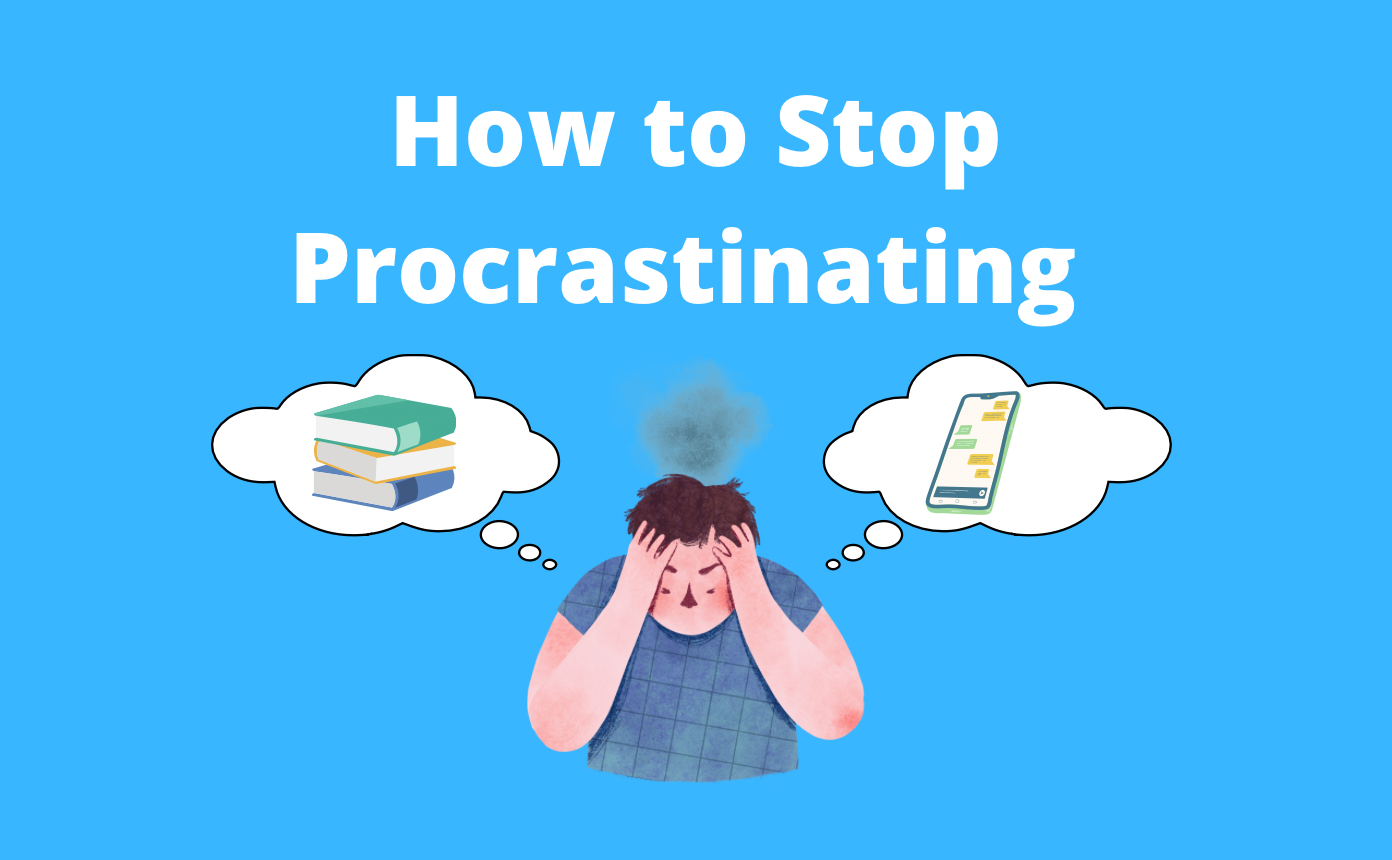
How Do I Avoid Procrastination?
Procrastination is not a time management problem. It is an emotional regulation problem disguised as a productivity issue.
People rarely procrastinate because they do not understand what needs to be done. They procrastinate because the task triggers discomfort—fear, uncertainty, boredom, overwhelm, perfectionism, or cognitive fatigue. Avoidance temporarily relieves that discomfort, reinforcing the behavior.
Avoiding procrastination, therefore, requires a structured approach that addresses:
-
Psychological resistance
-
Task clarity
-
Environmental design
-
Behavioral momentum
-
Energy management
Below is a comprehensive framework for systematically reducing procrastination and increasing consistent execution.
1. Understand the Real Cause
Before applying techniques, diagnose the trigger.
Common drivers of procrastination:
-
Ambiguity — “I don’t know where to start.”
-
Overwhelm — “This is too big.”
-
Perfectionism — “It has to be flawless.”
-
Fear of failure — “What if I do it wrong?”
-
Low energy — “I’m too tired.”
-
Low perceived reward — “This isn’t interesting.”
Different causes require different interventions. Treating all procrastination the same leads to ineffective solutions.
2. Break Tasks Into Concrete Next Actions
Ambiguous tasks trigger avoidance.
Instead of:
“Work on presentation”
Define:
“Create slide outline (15 minutes)”
“Write intro paragraph (20 minutes)”
This principle is central to David Allen’s framework in Getting Things Done. Clear next actions reduce cognitive resistance.
If you hesitate to start, your task is still too vague.
3. Use the 5-Minute Rule
Commit to working for just five minutes.
This works because:
-
The hardest part is starting.
-
Action reduces emotional resistance.
-
Momentum builds naturally.
Often, five minutes turns into thirty once inertia shifts.
The rule lowers psychological barriers without requiring full commitment.
4. Apply Structured Focus Intervals
The Pomodoro Technique reduces overwhelm by limiting effort to a short, defined interval (usually 25 minutes).
Knowing that a break is scheduled:
-
Decreases perceived effort
-
Improves attention
-
Prevents burnout
Use timers intentionally. The structure reinforces discipline.
5. Reduce Environmental Friction
Environment heavily influences behavior.
Design your workspace to minimize temptation:
-
Silence notifications
-
Place phone out of reach
-
Close unnecessary tabs
-
Use website blockers if needed
-
Work in a distraction-limited location
Willpower is unreliable. Environment is controllable.
6. Schedule Deep Work Blocks
High-resistance tasks require protected focus time.
Inspired by Cal Newport’s approach in Deep Work, allocate uninterrupted blocks (60–90 minutes) for demanding tasks.
Treat these blocks like immovable appointments.
Fragmentation encourages procrastination. Focus prevents it.
7. Eliminate Perfectionism
Perfectionism is a disguised form of avoidance.
Adopt a “version 1” mindset:
-
First draft is allowed to be imperfect.
-
Output precedes refinement.
-
Progress > polish.
Completion creates momentum. Perfectionism delays it.
8. Time Block High-Resistance Tasks Early
Energy and discipline are highest earlier in the day for most individuals.
If possible:
-
Schedule difficult tasks first.
-
Avoid starting with email or social media.
Winning early reduces procrastination later.
9. Use Implementation Intentions
Research shows that pre-deciding behavior increases follow-through.
Instead of:
“I’ll work on my report tomorrow.”
Define:
“At 9:00 AM, at my desk, I will draft the first section.”
Specificity increases commitment.
10. Address Emotional Avoidance Directly
Sometimes the most effective strategy is acknowledgment.
Ask:
-
What exactly am I avoiding?
-
What am I afraid will happen?
-
What is the worst realistic outcome?
Often, fear diminishes when examined logically.
Avoidance thrives in vagueness. Clarity dissolves it.
11. Reduce Decision Fatigue
Too many choices increase procrastination.
Simplify:
-
Limit daily priorities to 1–3 major tasks
-
Use fixed work hours
-
Create routine start times
-
Follow consistent planning rituals
Routine reduces cognitive load.
12. Manage Energy Proactively
Low energy mimics procrastination.
Protect:
-
Sleep
-
Nutrition
-
Movement
-
Breaks
Short movement breaks can reset attention and reduce avoidance.
Fatigue reduces executive control. Recovery restores it.
13. Create Public Accountability
Accountability increases execution probability.
Options:
-
Tell a colleague your deadline
-
Work alongside someone (virtual or in-person)
-
Use productivity groups
Social expectation increases follow-through.
14. Track Your Behavior
Measure:
-
Hours spent in deep work
-
Frequency of distraction
-
Tasks completed
-
Time to start after planning
Data reveals patterns.
If you always delay starting for 20 minutes, adjust your approach accordingly.
15. Use the “Temptation Bundling” Strategy
Pair unpleasant tasks with mild rewards.
Example:
-
Listen to instrumental music while doing admin
-
Enjoy coffee only during focused sessions
This increases perceived value.
16. Eliminate the “All-or-Nothing” Mindset
Many people procrastinate because they believe they need large uninterrupted blocks of time.
Instead:
-
Work in smaller increments
-
Make partial progress
-
Accept incremental advancement
Progress compounds.
17. Build a Daily Shutdown Ritual
Procrastination often increases when tasks feel open-ended.
At day’s end:
-
Capture unfinished tasks
-
Plan tomorrow’s priorities
-
Clear workspace
This reduces anxiety and improves next-day momentum.
18. Recognize Dopamine Traps
Social media, gaming, and constant notifications provide instant gratification.
High-effort tasks feel less rewarding by comparison.
Counteract by:
-
Reducing instant reward exposure
-
Increasing friction for distracting apps
-
Using structured work intervals
The brain adapts to reward patterns. Adjust the environment accordingly.
19. Practice Self-Compassion, Not Self-Criticism
Harsh self-judgment increases avoidance.
If you procrastinate:
-
Analyze, don’t attack yourself
-
Adjust strategy
-
Resume execution quickly
Shame reinforces procrastination. Rational analysis reduces it.
20. Adopt an Identity-Based Approach
Instead of focusing solely on tasks, shift identity.
Rather than:
“I need to stop procrastinating.”
Adopt:
“I am someone who starts even when uncomfortable.”
Behavior aligns with identity over time.
Small consistent wins reinforce identity change.
21. Apply the 80/20 Rule
Use the Pareto Principle to focus on the 20% of tasks generating 80% of results.
Low-impact tasks often become procrastination distractions disguised as productivity.
Eliminate or minimize them.
22. Limit Work-in-Progress
Too many active projects increase cognitive overload.
Restrict:
-
1 major focus task
-
2–3 secondary tasks
Completion builds confidence. Fragmentation fuels delay.
23. Use Visual Progress Tracking
Seeing progress increases motivation.
Use:
-
Checklists
-
Progress bars
-
Kanban boards
Visible advancement reinforces momentum.
24. Accept Discomfort as Normal
Discomfort is not a signal to stop. It is often a signal that growth is occurring.
Reframe:
-
Resistance = training
-
Effort = progress
-
Temporary discomfort = long-term benefit
Normalize effort.
25. A Structured Anti-Procrastination Plan
Step 1: Clarify the next action
Step 2: Schedule it in calendar
Step 3: Remove distractions
Step 4: Start for five minutes
Step 5: Work in structured interval
Step 6: Review progress
Step 7: Repeat consistently
Consistency outweighs intensity.
Common Mistakes in Fighting Procrastination
-
Relying on motivation instead of structure
-
Overloading daily tasks
-
Ignoring energy levels
-
Trying to eliminate all discomfort
-
Changing systems too frequently
Procrastination is reduced through disciplined repetition—not sudden transformation.
Final Perspective
Avoiding procrastination is less about force and more about structure.
When you:
-
Break tasks into clear next steps
-
Schedule focused time
-
Reduce distractions
-
Start small
-
Align with long-term priorities
You reduce the psychological barriers that trigger avoidance.
Procrastination thrives in ambiguity, overwhelm, and distraction. It weakens under clarity, structure, and consistent action.
The objective is not to eliminate resistance entirely. The objective is to act despite it.
Small, repeated starts compound into disciplined execution—and disciplined execution produces meaningful results over time.
- Arts
- Business
- Computers
- Games
- Health
- Home
- Kids and Teens
- Money
- News
- Personal Development
- Recreation
- Regional
- Reference
- Science
- Shopping
- Society
- Sports
- Бизнес
- Деньги
- Дом
- Досуг
- Здоровье
- Игры
- Искусство
- Источники информации
- Компьютеры
- Личное развитие
- Наука
- Новости и СМИ
- Общество
- Покупки
- Спорт
- Страны и регионы
- World

 Russian
 French
 Spanish
 Portuguese
 Deutsch
 Turkish
 Dutch
Dutch
 Italiano
 Arabic
 Romaian
 Portuguese (Brazil)
 Greek
Greek