
What Is the Future of Knowledge Capital?
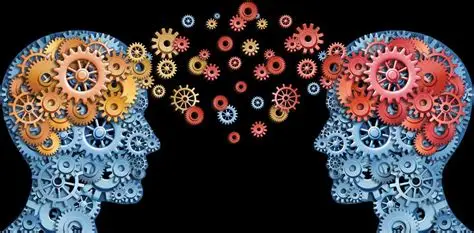
The concept of knowledge capital has evolved dramatically over the past few decades, becoming one of the most critical drivers of economic growth, organizational success, and societal progress. In the digital economy, where information flows rapidly and innovation cycles are shorter than ever, knowledge capital is no longer just an advantage—it is a necessity.
Looking ahead, the future of knowledge capital will be shaped by technological advancements, changing workforce dynamics, globalization, and the increasing importance of data. Organizations and individuals must adapt to these changes to remain competitive and relevant. This article explores the future of knowledge capital, examining key trends, emerging technologies, challenges, and strategic implications.
The Evolution Toward a Knowledge-Driven Future
Historically, economies transitioned from agriculture to industry, and now to knowledge-based systems. In this new era:
- Knowledge is the primary source of value creation
- Innovation is the key driver of growth
- Intangible assets outweigh physical assets
The future will deepen this transformation. Knowledge capital will not only support business operations but will define entire industries and economic systems.
Key Drivers Shaping the Future of Knowledge Capital
Several major forces are shaping how knowledge capital will evolve:
1. Artificial Intelligence and Automation
Artificial intelligence (AI) is transforming how knowledge is created, processed, and applied.
Future Impact:
- AI will generate insights from massive datasets
- Automation will handle routine knowledge tasks
- Decision-making will become more data-driven
AI will not replace knowledge capital but will amplify it, enabling faster and more accurate knowledge creation.
2. Big Data and Analytics
The exponential growth of data is redefining knowledge capital.
Key Trends:
- Organizations will rely heavily on real-time data
- Predictive and prescriptive analytics will become standard
- Data literacy will be a core skill
Data will become the raw material from which knowledge capital is built.
3. Digital Transformation
Digital technologies are embedding knowledge into every aspect of business.
Future Developments:
- Increased use of cloud computing
- Integration of digital platforms
- Automation of workflows
Digital transformation will make knowledge more accessible, scalable, and actionable.
4. Globalization and Remote Work
The workforce is becoming increasingly global and distributed.
Implications:
- Access to diverse knowledge and expertise
- Increased collaboration across borders
- Greater competition for talent
Knowledge capital will become more decentralized and globally distributed.
5. Continuous Learning and Skill Evolution
In a rapidly changing environment, knowledge quickly becomes outdated.
Future Focus:
- Lifelong learning
- Upskilling and reskilling
- Microlearning and online education
Organizations will need to invest heavily in developing their human capital.
The Transformation of Human Capital
Human capital will remain at the core of knowledge capital, but its nature will change significantly.
From Static Skills to Dynamic Capabilities
In the past, employees relied on stable skill sets. In the future:
- Skills will need constant updating
- Adaptability will be more important than specialization
- Learning ability will be a key competency
Rise of Knowledge Workers
Knowledge workers—those who create, analyze, and apply information—will dominate the workforce.
Examples include:
- Data scientists
- Software developers
- Analysts and consultants
These roles will continue to expand across industries.
Human-AI Collaboration
The future will emphasize collaboration between humans and machines.
- AI will handle data processing
- Humans will provide creativity, judgment, and ethics
This synergy will enhance knowledge capital significantly.
The Evolution of Structural Capital
Structural capital will also undergo major changes as technology advances.
Intelligent Systems
Organizations will rely on AI-powered systems that:
- Automatically organize knowledge
- Provide real-time insights
- Support decision-making
Knowledge Automation
Routine knowledge processes will be automated, including:
- Data analysis
- Reporting
- Information retrieval
This will increase efficiency and reduce errors.
Digital Knowledge Ecosystems
Knowledge will no longer be confined within organizations. Instead:
- Ecosystems of shared knowledge will emerge
- Collaboration platforms will connect multiple stakeholders
- Open innovation will become more common
The Transformation of Relational Capital
Relationships will become more data-driven and personalized.
Customer-Centric Knowledge
Organizations will use data to:
- Understand customer behavior
- Predict needs
- Deliver personalized experiences
Global Collaboration Networks
Partnerships will expand across borders, enabling:
- Knowledge exchange
- Joint innovation
- Shared resources
Trust and Transparency
In the digital age, trust will be critical. Organizations must:
- Protect data privacy
- Ensure transparency
- Build strong stakeholder relationships
Emerging Trends in Knowledge Capital
1. Knowledge as a Service (KaaS)
Organizations will increasingly offer knowledge-based services, such as:
- Consulting
- Data analytics
- Digital platforms
Knowledge itself will become a product.
2. Decentralized Knowledge Systems
Technologies like blockchain may enable:
- Secure knowledge sharing
- Decentralized data management
- Greater transparency
3. Integration of Physical and Digital Knowledge
The line between physical and digital will blur, with technologies such as:
- Internet of Things (IoT)
- Augmented reality (AR)
- Virtual reality (VR)
These technologies will enhance knowledge creation and application.
4. Ethical Knowledge Management
As knowledge becomes more powerful, ethical considerations will grow.
Key issues include:
- Data privacy
- Bias in AI systems
- Responsible use of information
Challenges in the Future of Knowledge Capital
1. Information Overload
The vast amount of data can overwhelm organizations.
Solution:
- Advanced analytics
- AI-driven filtering
2. Knowledge Inequality
Access to knowledge may not be evenly distributed.
Impact:
- Digital divide
- Unequal opportunities
3. Rapid Obsolescence
Knowledge becomes outdated quickly.
Response:
- Continuous learning
- Agile organizations
4. Cybersecurity Risks
Knowledge assets are vulnerable to:
- Data breaches
- Cyberattacks
Organizations must invest in security measures.
Strategic Implications for Organizations
To succeed in the future, organizations must:
1. Invest in Human Capital
- Provide training and development
- Encourage lifelong learning
- Attract and retain talent
2. Leverage Technology
- Adopt AI and analytics tools
- Implement knowledge management systems
- Use digital collaboration platforms
3. Foster a Knowledge-Sharing Culture
- Encourage collaboration
- Break down silos
- Reward knowledge sharing
4. Focus on Innovation
- Support research and development
- Encourage experimentation
- Embrace new ideas
The Role of Education
Education systems will play a crucial role in shaping future knowledge capital.
Shift Toward Skills-Based Learning
Education will focus more on:
- Critical thinking
- Problem-solving
- Digital skills
Lifelong Learning Models
Traditional education models will evolve into:
- Continuous learning systems
- Online and flexible learning platforms
Interdisciplinary Knowledge
Future challenges require knowledge from multiple fields, leading to:
- Cross-disciplinary education
- Integration of different domains
The Future Workplace
The workplace of the future will be:
- Digital and connected
- Flexible and remote
- Collaborative and knowledge-driven
Employees will:
- Work with AI tools
- Engage in continuous learning
- Collaborate globally
Organizations will need to adapt their structures and processes accordingly.
Measuring Future Knowledge Capital
Measurement approaches will also evolve:
- Real-time analytics
- AI-driven insights
- Integration of qualitative and quantitative metrics
Organizations will gain a more accurate understanding of their knowledge assets.
Conclusion
The future of knowledge capital is dynamic, digital, and deeply integrated into every aspect of the economy. Advances in artificial intelligence, data analytics, and digital technologies will transform how knowledge is created, shared, and applied. At the same time, human creativity, adaptability, and collaboration will remain essential.
Organizations that invest in knowledge capital—through people, technology, and culture—will be better positioned to innovate, compete, and thrive. However, they must also address challenges such as information overload, knowledge inequality, and ethical concerns.
Ultimately, knowledge capital will continue to be the most valuable resource in the digital age. Those who can effectively manage and leverage it will shape the future of industries, economies, and societies.
- Arts
- Business
- Computers
- Games
- Health
- Home
- Kids and Teens
- Money
- News
- Personal Development
- Recreation
- Regional
- Reference
- Science
- Shopping
- Society
- Sports
- Бизнес
- Деньги
- Дом
- Досуг
- Здоровье
- Игры
- Искусство
- Источники информации
- Компьютеры
- Личное развитие
- Наука
- Новости и СМИ
- Общество
- Покупки
- Спорт
- Страны и регионы
- World

 Russian
 French
 Spanish
 Portuguese
 Deutsch
 Turkish
 Dutch
Dutch
 Italiano
 Arabic
 Romaian
 Portuguese (Brazil)
 Greek
Greek