
How does work-life balance affect mental health?
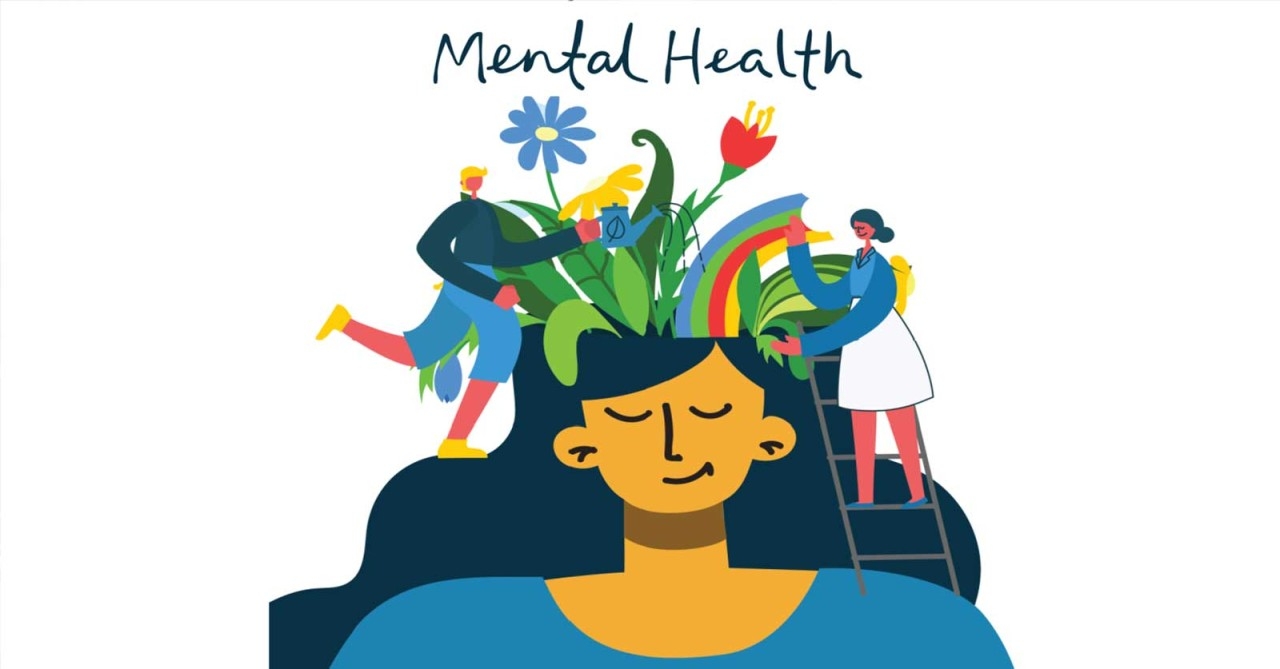
How Does Work-Life Balance Affect Mental Health?
Work-life balance is more than a buzzword—it is a critical determinant of mental health and overall well-being. In an increasingly fast-paced and digitally connected world, the boundaries between work and personal life have become blurred. As a result, many individuals experience chronic stress, emotional exhaustion, and a diminished sense of fulfillment. Understanding how work-life balance affects mental health is essential for building a sustainable, healthy, and productive life.
This article explores the relationship between work-life balance and mental health in depth, examining the psychological mechanisms involved, the consequences of imbalance, and the long-term benefits of maintaining equilibrium between professional and personal domains.
1. Defining Work-Life Balance and Mental Health
Work-life balance refers to the ability to effectively manage professional responsibilities alongside personal activities, relationships, and self-care. It does not necessarily mean equal time allocation, but rather a sense of harmony and control over how time and energy are distributed.
Mental health, on the other hand, encompasses emotional, psychological, and social well-being. It affects how individuals think, feel, and behave, as well as how they handle stress, relate to others, and make decisions.
The Connection
Work-life balance directly influences mental health because it determines:
-
The level of stress you experience
-
The quality of your recovery time
-
Your ability to engage in meaningful non-work activities
When balance is disrupted, mental health often deteriorates.
2. Chronic Stress and Burnout
One of the most immediate effects of poor work-life balance is chronic stress. When work demands consistently exceed your capacity, your body remains in a prolonged state of tension.
What Happens Psychologically
-
Increased cortisol levels (stress hormone)
-
Heightened anxiety
-
Reduced emotional resilience
Over time, this can lead to burnout, a state characterized by:
-
Emotional exhaustion
-
Cynicism or detachment from work
-
Reduced sense of accomplishment
Burnout is not just fatigue—it is a serious mental health condition that can take months or even years to recover from.
3. Anxiety and Overwhelm
Poor work-life balance often creates a constant sense of urgency. There is always something to do, something unfinished, or something looming.
How This Affects the Mind
-
Persistent worry about work tasks
-
Difficulty relaxing during personal time
-
Feeling mentally “on edge”
This leads to anxiety, which can manifest as:
-
Racing thoughts
-
Difficulty concentrating
-
Irritability
When work intrudes into personal life, the mind loses its opportunity to rest and reset.
4. Depression and Loss of Fulfillment
A lack of balance can also contribute to depression, particularly when individuals feel trapped in a cycle of work without meaningful personal engagement.
Key Factors
-
Limited time for hobbies and interests
-
Reduced social interaction
-
Lack of purpose outside of work
Humans require more than productivity to feel fulfilled. Without activities that bring joy, creativity, and connection, emotional well-being declines.
5. Sleep Disruption and Mental Health
Work-life imbalance often leads to poor sleep habits, which have a direct impact on mental health.
Causes
-
Working late into the night
-
Stress-related insomnia
-
Excessive screen time
Effects
-
Increased irritability
-
Reduced cognitive function
-
Greater vulnerability to anxiety and depression
Sleep is a foundational component of mental health. Without it, emotional regulation becomes significantly harder.
6. Reduced Emotional Regulation
When you are overworked and under-rested, your ability to manage emotions declines.
Consequences
-
Overreacting to minor issues
-
Increased frustration and anger
-
Difficulty coping with challenges
This not only affects your internal state but also your interactions with others, leading to strained relationships and further stress.
7. Impact on Self-Esteem and Identity
Work-life imbalance can distort your sense of identity. When work dominates your life, your self-worth may become tied exclusively to professional performance.
Risks
-
Feeling inadequate when work performance dips
-
Neglecting personal growth and interests
-
Losing a sense of individuality
A healthy balance allows you to develop multiple dimensions of identity—professional, personal, social, and creative—which contributes to stronger self-esteem.
8. Social Isolation and Loneliness
Strong relationships are a cornerstone of mental health. However, poor work-life balance often reduces the time and energy available for social connections.
Outcomes
-
Weakened relationships with family and friends
-
Reduced emotional support
-
Increased feelings of loneliness
Loneliness is strongly linked to mental health issues, including depression and anxiety. Maintaining social connections is not optional—it is essential.
9. The Role of Recovery Time
Mental health depends not only on managing stress but also on recovering from it. Recovery time includes activities that restore energy and emotional well-being.
Examples
-
Spending time with loved ones
-
Engaging in hobbies
-
Relaxation and leisure
When work consumes all available time, recovery is compromised, leading to cumulative mental strain.
10. Positive Effects of Good Work-Life Balance
While poor balance harms mental health, a healthy balance offers significant benefits.
Improved Emotional Well-Being
-
Greater sense of calm and stability
-
Reduced stress and anxiety
-
Increased happiness
Better Cognitive Function
-
Improved focus and decision-making
-
Enhanced creativity
-
Greater productivity
Stronger Relationships
-
More meaningful interactions
-
Increased empathy and connection
Higher Life Satisfaction
A balanced life allows you to engage in activities that provide purpose and joy, leading to a more fulfilling existence.
11. The Role of Boundaries
Boundaries are essential for maintaining work-life balance and protecting mental health.
Types of Boundaries
-
Time boundaries (e.g., work hours)
-
Physical boundaries (e.g., separate workspace)
-
Psychological boundaries (e.g., mentally disconnecting from work)
Without boundaries, work can easily expand into all areas of life.
12. Technology and Mental Health
Digital devices play a significant role in work-life balance.
Challenges
-
Constant notifications
-
Expectation of immediate responses
-
Difficulty disconnecting
Impact
These factors increase stress and reduce downtime, negatively affecting mental health.
Solution
-
Limit after-hours communication
-
Use technology intentionally
-
Create tech-free periods
13. Workplace Culture and Its Influence
Mental health is not solely an individual responsibility—organizational culture plays a major role.
Negative Cultures
-
Encourage overwork
-
Reward constant availability
-
Ignore employee well-being
Positive Cultures
-
Promote realistic workloads
-
احترام boundaries
-
Support mental health initiatives
A supportive environment makes it easier to maintain balance and protect mental health.
14. Strategies to Improve Work-Life Balance
Improving work-life balance requires intentional action.
Practical Steps
-
Set clear work hours and stick to them
-
Prioritize tasks to avoid unnecessary overload
-
Schedule personal time as seriously as work commitments
-
Learn to say no when necessary
Mental Strategies
-
Shift focus from perfection to progress
-
Accept that balance is dynamic, not static
-
Regularly evaluate and adjust your routines
15. Long-Term Perspective
Work-life balance is not a one-time achievement—it is an ongoing process.
Key Principles
-
Adapt to changing circumstances
-
Monitor your mental health regularly
-
Make adjustments as needed
A long-term perspective helps you maintain balance even as life evolves.
Conclusion
Work-life balance has a profound impact on mental health. When balance is lacking, the consequences can include chronic stress, anxiety, depression, sleep disruption, and weakened relationships. Over time, these effects compound, leading to a significant decline in overall well-being.
On the other hand, a healthy work-life balance supports emotional stability, cognitive performance, and life satisfaction. It allows individuals to manage stress effectively, maintain meaningful relationships, and engage in activities that bring fulfillment.
The key to achieving this balance lies in:
-
Setting clear boundaries
-
Managing time and energy intentionally
-
Prioritizing both work and personal well-being
Ultimately, mental health is not separate from how you structure your life—it is a direct reflection of it. By creating a balanced lifestyle, you are not only improving your mental health but also building a foundation for long-term success and happiness.
- Arts
- Business
- Computers
- Games
- Health
- Home
- Kids and Teens
- Money
- News
- Personal Development
- Recreation
- Regional
- Reference
- Science
- Shopping
- Society
- Sports
- Бизнес
- Деньги
- Дом
- Досуг
- Здоровье
- Игры
- Искусство
- Источники информации
- Компьютеры
- Личное развитие
- Наука
- Новости и СМИ
- Общество
- Покупки
- Спорт
- Страны и регионы
- World

 Russian
 French
 Spanish
 Portuguese
 Deutsch
 Turkish
 Dutch
Dutch
 Italiano
 Arabic
 Romaian
 Portuguese (Brazil)
 Greek
Greek