
Why is minimalism important?
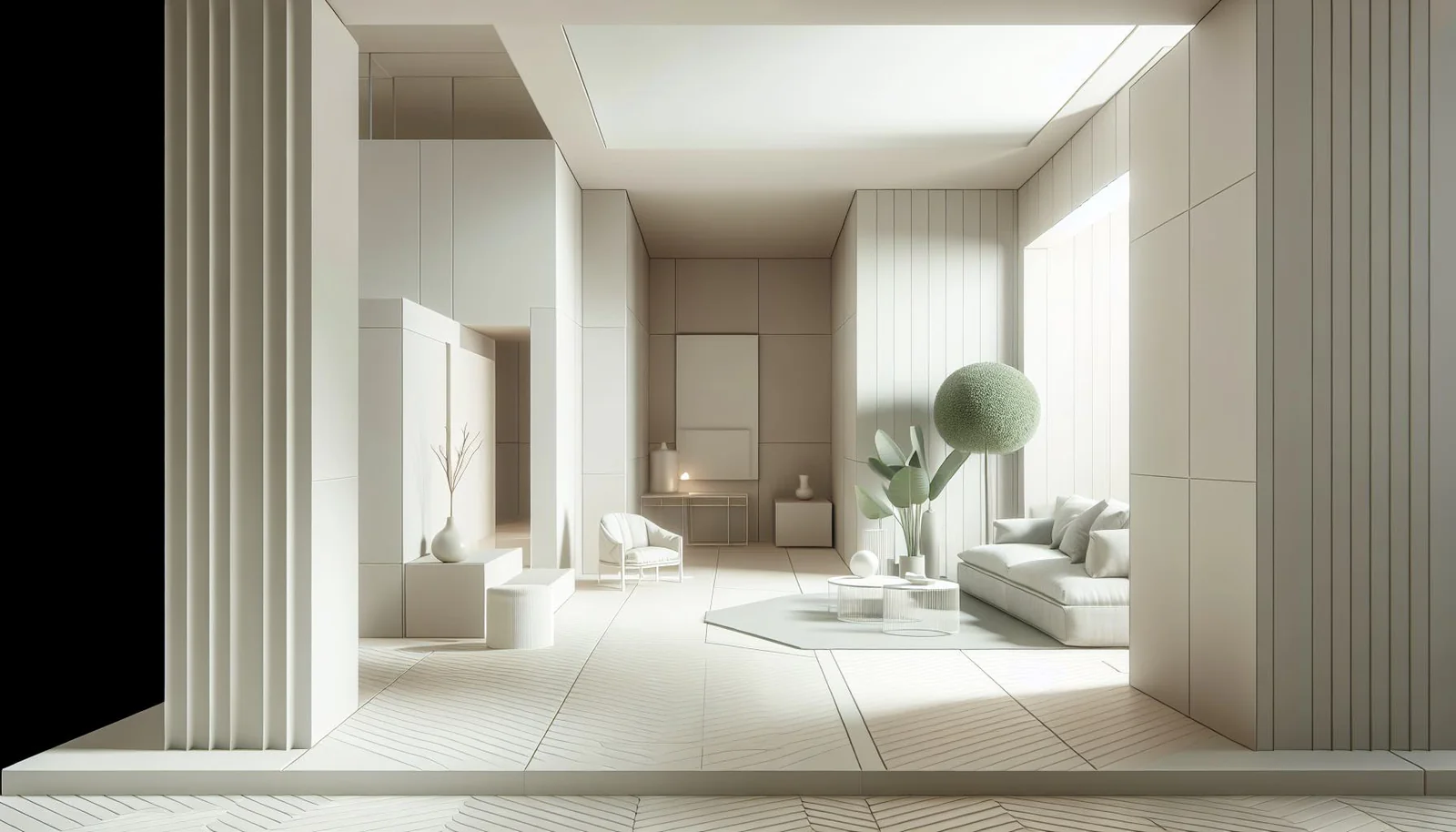
Why Is Minimalism Important?
Minimalism has gained significant attention in recent years, but its importance goes far beyond aesthetics or trends. At its core, minimalism addresses a fundamental problem of modern life: excess. Excess in possessions, information, commitments, and expectations creates friction in nearly every aspect of daily living. Minimalism offers a structured response to that problem by reducing what is unnecessary and emphasizing what is essential.
Understanding why minimalism is important requires examining how it impacts mental clarity, time management, financial stability, emotional well-being, and long-term life satisfaction. It is not just about having fewer things—it is about improving how you live.
1. Minimalism Reduces Overload in a Complex World
Modern environments are saturated with stimuli:
-
Constant notifications
-
Endless product choices
-
Packed schedules
-
Social expectations
This leads to cognitive overload, where your brain struggles to process everything efficiently.
Minimalism acts as a filtering mechanism. By removing non-essential inputs, it reduces the number of decisions you need to make daily. This is critical because decision-making consumes mental energy.
Why This Matters
When your environment is simplified:
-
You think more clearly
-
You make better decisions
-
You feel less overwhelmed
In this sense, minimalism is not just about external simplicity—it is about protecting your internal capacity to function effectively.
2. It Improves Mental Health and Reduces Stress
Clutter—both physical and mental—has a direct impact on stress levels.
Physical Clutter
-
Creates visual noise
-
Signals unfinished tasks
-
Increases anxiety
Mental Clutter
-
Too many responsibilities
-
Excessive information intake
-
Multitasking
Minimalism reduces both forms of clutter, leading to:
-
Lower stress levels
-
Improved emotional stability
-
Better focus
When your environment is calm, your mind tends to follow.
3. Minimalism Increases Focus and Productivity
Focus is one of the most valuable resources in a knowledge-driven world. However, it is constantly fragmented by distractions.
Minimalism enhances focus by:
-
Removing unnecessary items from your workspace
-
Limiting digital distractions
-
Reducing multitasking
The Result
-
Deeper work sessions
-
Higher-quality output
-
Less time wasted switching between tasks
This is particularly important in professional and academic settings where performance depends on sustained attention.
4. It Saves Time
Every possession and commitment you have requires time:
-
Cleaning
-
Maintenance
-
Decision-making
-
Scheduling
When you reduce excess, you reclaim that time.
Examples
-
Fewer clothes → less time choosing outfits
-
Fewer commitments → more free time
-
Simpler systems → faster daily routines
Time is finite. Minimalism ensures it is spent on what actually matters.
5. Minimalism Promotes Financial Stability
Consumer culture encourages constant spending, often on things that provide only temporary satisfaction.
Minimalism changes your relationship with money by encouraging:
-
Intentional spending
-
Reduced impulse purchases
-
Focus on value rather than volume
Financial Benefits
-
Increased savings
-
Reduced debt
-
Greater financial flexibility
Instead of asking, “Can I buy this?”, minimalism encourages you to ask:
“Is this worth the space, money, and attention it will require?”
This shift leads to more disciplined and sustainable financial behavior.
6. It Encourages Intentional Living
One of the most important aspects of minimalism is intentionality.
Without intentional living, life becomes reactive:
-
You say yes to everything
-
You accumulate things without thinking
-
You follow external expectations
Minimalism forces you to evaluate:
-
What you value
-
How you spend your time
-
What you allow into your life
Why This Is Important
It gives you control. Instead of drifting through life, you actively design it.
7. Minimalism Improves Physical Spaces
Your environment has a direct impact on how you feel and function.
Benefits of a Minimalist Space
-
Easier to clean and maintain
-
More visually calming
-
More functional
A well-organized, uncluttered space:
-
Reduces distractions
-
Improves efficiency
-
Creates a sense of order
This is particularly important in small living spaces where clutter can quickly become overwhelming.
8. It Supports Better Relationships
Minimalism also affects how you interact with others.
When you reduce:
-
Overcommitment
-
Distractions
-
Stress
You gain more capacity for meaningful relationships.
How Minimalism Helps
-
More time for family and friends
-
Better presence during conversations
-
Reduced tension from clutter or financial stress
Relationships benefit from attention and energy—both of which are preserved through minimalism.
9. Minimalism Aligns with Sustainability
Excess consumption has environmental consequences.
Minimalism encourages:
-
Buying less
-
Choosing durable, high-quality items
-
Reducing waste
Environmental Impact
-
Lower resource consumption
-
Less waste generation
-
Reduced carbon footprint
While minimalism is often a personal lifestyle choice, it also contributes to broader sustainability goals.
10. It Reduces Decision Fatigue
Every decision you make uses mental energy.
Daily life includes countless small decisions:
-
What to wear
-
What to eat
-
What to do next
Minimalism reduces these decisions by simplifying options.
Examples
-
Capsule wardrobe → fewer clothing choices
-
Simplified routines → fewer daily decisions
-
Organized spaces → easier item retrieval
This allows you to reserve mental energy for more important tasks.
11. Minimalism Enhances Freedom
Freedom is often associated with having more, but in reality, excess can be restrictive.
How Excess Limits Freedom
-
More possessions → more responsibility
-
More expenses → less financial flexibility
-
More commitments → less time
Minimalism removes these constraints.
Types of Freedom Gained
-
Financial freedom
-
Time freedom
-
Mental freedom
By reducing what ties you down, you gain more control over your life.
12. It Builds Discipline and Awareness
Minimalism requires conscious decision-making.
You must:
-
Evaluate purchases
-
Set boundaries
-
Maintain systems
This builds:
-
Self-discipline
-
Awareness of habits
-
Better decision-making skills
Over time, these traits extend beyond minimalism into other areas of life.
13. Minimalism Helps You Focus on What Matters
Perhaps the most important reason minimalism is important is that it clarifies priorities.
When distractions are removed, what remains becomes obvious:
-
Your goals
-
Your relationships
-
Your values
Without Minimalism
-
Priorities are buried under noise
-
Time is scattered
-
Attention is divided
With Minimalism
-
Focus is clear
-
Actions align with values
-
Life becomes more coherent
14. It Adapts to Any Lifestyle
Minimalism is not rigid. It can be applied differently depending on your situation.
Examples:
-
A student may focus on reducing distractions
-
A professional may simplify their schedule
-
A family may streamline household systems
This adaptability makes minimalism relevant across different life stages and environments.
15. Minimalism Is a Long-Term Solution
Many productivity or lifestyle trends offer short-term improvements. Minimalism is different because it addresses root causes.
Instead of:
-
Managing clutter → it prevents it
-
Coping with stress → it reduces sources of stress
-
Handling overload → it eliminates excess
This makes it sustainable over the long term.
Common Misconceptions About Its Importance
“Minimalism is only for aesthetics”
While it often results in clean-looking spaces, its primary benefits are functional and psychological.
“It’s too restrictive”
In reality, minimalism removes restrictions created by excess.
“It requires drastic change”
Minimalism can be implemented gradually, one decision at a time.
Conclusion
Minimalism is important because it directly addresses many of the challenges of modern life: overload, distraction, stress, and inefficiency. By reducing excess and focusing on what truly matters, it creates a more balanced, intentional, and sustainable way of living.
Its importance can be summarized through its impact:
-
Mental clarity → fewer distractions, better focus
-
Time efficiency → less maintenance, more freedom
-
Financial stability → intentional spending
-
Emotional well-being → reduced stress and overwhelm
-
Life alignment → clearer priorities and purpose
Minimalism is not about sacrificing comfort or convenience. It is about removing what does not serve you so that what does serve you can fully take its place.
In a world that constantly pushes for more, minimalism is important because it teaches you when—and why—to choose less.
- Arts
- Business
- Computers
- Oyunlar
- Health
- Home
- Kids and Teens
- Money
- News
- Personal Development
- Recreation
- Regional
- Reference
- Science
- Shopping
- Society
- Sports
- Бизнес
- Деньги
- Дом
- Досуг
- Здоровье
- Игры
- Искусство
- Источники информации
- Компьютеры
- Личное развитие
- Наука
- Новости и СМИ
- Общество
- Покупки
- Спорт
- Страны и регионы
- World

 English
 Russian
 French
 Spanish
 Portuguese
 Deutsch
 Dutch
Dutch
 Italiano
 Arabic
 Romaian
 Portuguese (Brazil)
 Greek
Greek