
What Services Are Included in Facility Management?
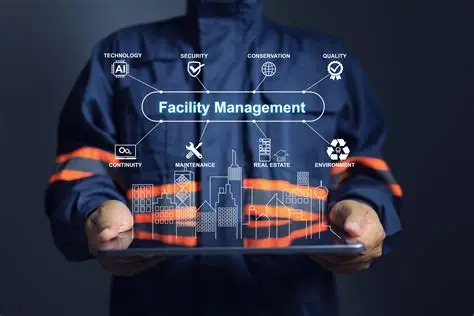
Facility management is a broad and multifaceted discipline that encompasses a wide range of services designed to ensure that buildings, infrastructure, and workplace environments function efficiently. These services support the daily operations of an organization while also enhancing employee comfort, safety, and productivity.
Understanding the services included in facility management is essential for organizations aiming to maintain high standards of efficiency, safety, and workplace experience. These services are typically categorized into different areas, covering both technical and non-technical aspects of facility operations.
Overview of Facility Management Services
Facility management services can be divided into several categories, each addressing specific needs within an organization. These services work together to ensure that the physical environment supports business operations effectively.
The main categories include:
- Hard services (technical and infrastructure-related)
- Soft services (people-focused and support services)
- Administrative and strategic services
Together, these services create a comprehensive framework for managing facilities.
Hard Services in Facility Management
Hard services are essential for the physical functioning and safety of a building. These services involve technical systems and infrastructure that must be maintained regularly.
Key hard services include:
1. Mechanical and Electrical Maintenance
This involves maintaining critical systems such as:
- Heating, ventilation, and air conditioning (HVAC)
- Electrical systems and lighting
- Plumbing and water supply
These systems are vital for ensuring a safe and comfortable environment.
2. Fire Safety Systems
Facility management ensures that fire detection and prevention systems are fully operational.
This includes:
- Fire alarms and detectors
- Sprinkler systems
- Emergency exits and evacuation plans
Proper fire safety measures are essential for protecting lives and property.
3. Building Fabric Maintenance
This refers to maintaining the physical structure of the building.
Examples include:
- Walls, roofs, and floors
- Doors and windows
- Structural repairs
Maintaining the building fabric ensures durability and safety.
4. Energy Management
Energy management focuses on optimizing energy usage to reduce costs and environmental impact.
This includes:
- Monitoring energy consumption
- Implementing energy-efficient systems
- Reducing waste
Energy efficiency is both economically and environmentally beneficial.
Soft Services in Facility Management
Soft services focus on improving the workplace experience and supporting daily operations. While not directly related to infrastructure, they are essential for employee comfort and satisfaction.
1. Cleaning and Janitorial Services
Maintaining cleanliness is a fundamental service.
This includes:
- Daily cleaning of workspaces
- Waste management
- Sanitization and hygiene
A clean environment promotes health and productivity.
2. Security Services
Security ensures the safety of people and assets within the facility.
This includes:
- Security personnel
- Surveillance systems
- Access control
Effective security measures create a safe workplace.
3. Catering and Food Services
Many organizations provide food services to employees.
This includes:
- Cafeterias and dining areas
- Vending machines
- Catering for events
These services enhance employee convenience and satisfaction.
4. Landscaping and Grounds Maintenance
Outdoor spaces also require maintenance.
This includes:
- Gardening and lawn care
- Snow removal
- Parking area maintenance
Well-maintained surroundings improve the overall appearance of the facility.
5. Reception and Front Desk Services
Reception services provide a professional first point of contact.
Responsibilities include:
- Greeting visitors
- Managing calls and inquiries
- Coordinating visitor access
This service contributes to the organization’s image.
Workplace Support Services
Facility management also includes services that directly support employees in their daily work.
1. Space Management
Space management ensures efficient use of office areas.
This includes:
- Planning office layouts
- Allocating workspaces
- Managing occupancy levels
Efficient space use improves productivity and reduces costs.
2. Workplace Design and Ergonomics
Facility management ensures that workspaces are comfortable and functional.
This involves:
- Ergonomic furniture
- Proper lighting and ventilation
- Flexible workspace designs
Good design enhances employee well-being.
3. Move and Relocation Services
Organizations often need to relocate employees or departments.
Facility management handles:
- Office moves
- Equipment relocation
- Workspace reconfiguration
Smooth transitions minimize disruption.
Administrative and Management Services
Facility management also includes administrative functions that ensure smooth operations.
1. Vendor and Contract Management
Facility managers coordinate with external service providers.
This includes:
- Selecting vendors
- Negotiating contracts
- Monitoring performance
Effective vendor management ensures quality service delivery.
2. Budgeting and Cost Control
Managing finances is a key service.
Responsibilities include:
- Preparing budgets
- Tracking expenses
- Identifying cost-saving opportunities
Financial efficiency is essential for sustainable operations.
3. Compliance and Regulatory Management
Facility management ensures adherence to laws and standards.
This includes:
- Health and safety regulations
- Environmental standards
- Building codes
Compliance reduces risks and ensures legal operation.
Technology-Based Services
Technology plays an increasingly important role in facility management services.
1. Building Management Systems (BMS)
These systems monitor and control building operations.
They manage:
- HVAC systems
- Lighting
- Energy usage
BMS improves efficiency and reduces costs.
2. Computer-Aided Facility Management (CAFM)
CAFM software helps manage facility operations digitally.
Features include:
- Asset tracking
- Maintenance scheduling
- Space management
Digital tools enhance productivity and decision-making.
3. Smart Building Technologies
Modern facilities use smart technologies to optimize performance.
Examples include:
- IoT sensors
- Automated systems
- Real-time monitoring
Smart buildings are more efficient and sustainable.
Maintenance Services
Maintenance is a core service within facility management.
1. Preventive Maintenance
Regular maintenance to prevent issues before they occur.
2. Corrective Maintenance
Fixing problems after they arise.
3. Predictive Maintenance
Using data to anticipate and address potential issues.
These approaches ensure reliability and cost efficiency.
Health, Safety, and Environmental Services
Facility management ensures a safe and healthy environment.
This includes:
- Risk assessments
- Emergency planning
- Environmental management
These services protect employees and support sustainability.
Emergency and Crisis Management Services
Facility managers prepare for unexpected situations.
This includes:
- Emergency response planning
- Disaster recovery
- Crisis coordination
Preparedness minimizes disruption and damage.
The Integration of Services
All facility management services are interconnected. For example:
- Maintenance supports safety and efficiency
- Cleaning services impact health and productivity
- Security ensures a safe working environment
Effective facility management integrates these services into a cohesive system.
Customization of Services
Facility management services can be tailored to the specific needs of an organization. Different industries may require different services.
For example:
- Hospitals require strict hygiene and safety measures
- Offices focus on comfort and productivity
- Manufacturing facilities prioritize equipment maintenance
Customization ensures that services meet organizational requirements.
The Strategic Importance of Facility Management Services
Facility management services are not just operational—they contribute to strategic goals.
They help organizations:
- Improve efficiency
- Enhance employee satisfaction
- Reduce costs
- Support sustainability
This makes facility management a key part of business success.
Conclusion
Facility management includes a wide range of services that ensure the smooth operation of buildings and workplaces. From technical maintenance and security to cleaning and space management, these services work together to create a functional and supportive environment.
By integrating hard and soft services, leveraging technology, and focusing on employee needs, facility management provides a comprehensive approach to managing physical spaces.
Organizations that invest in effective facility management services can achieve higher productivity, better employee experiences, and long-term operational success. In today’s complex and dynamic work environment, these services are more important than ever.
- Arts
- Business
- Computers
- Games
- Health
- Home
- Kids and Teens
- Money
- News
- Personal Development
- Recreation
- Regional
- Reference
- Science
- Shopping
- Society
- Sports
- Бизнес
- Деньги
- Дом
- Досуг
- Здоровье
- Игры
- Искусство
- Источники информации
- Компьютеры
- Личное развитие
- Наука
- Новости и СМИ
- Общество
- Покупки
- Спорт
- Страны и регионы
- World

 Russian
 French
 Spanish
 Portuguese
 Deutsch
 Turkish
 Dutch
Dutch
 Italiano
 Arabic
 Romaian
 Portuguese (Brazil)
 Greek
Greek