
Exploring Traditions and Economic Developments: A Regional Perspective
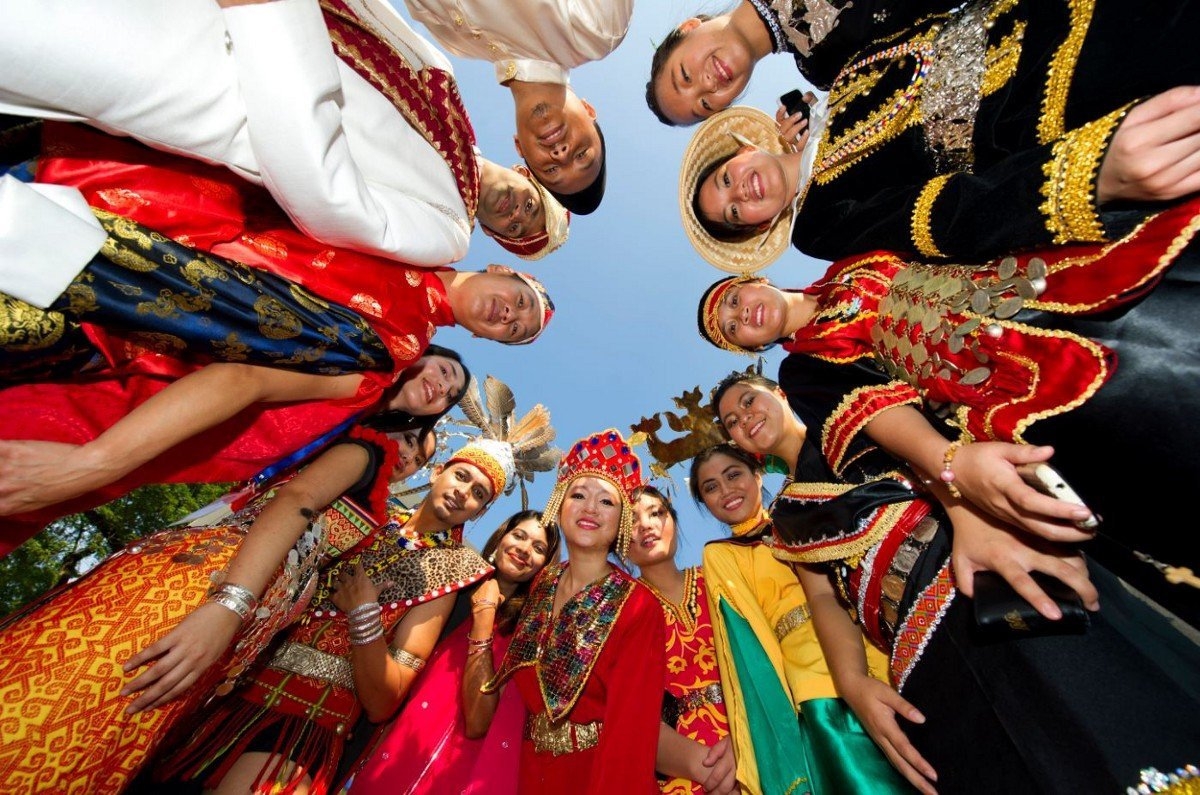
In the intricate tapestry of human civilization, traditions serve as the threads that weave together the cultural fabric of a region. These traditions, passed down through generations, offer a glimpse into the collective identity and values of a community. Simultaneously, economic developments shape the trajectory of a region, influencing its prosperity, opportunities, and challenges. In this article, we delve into the intersection of traditions and economic developments in various regions, uncovering how they intertwine to create unique landscapes of heritage and progress.
-
Traditions as Cultural Cornerstones:
- Traditions are the cornerstone of cultural identity, reflecting a community's history, beliefs, and practices.
- They encompass a wide array of elements including rituals, ceremonies, folklore, and cuisine.
- Examples of traditional practices include festivals, religious ceremonies, traditional attire, and customary greetings.
- These traditions often serve as markers of collective memory, fostering a sense of belonging and continuity within communities.
-
The Impact of Economic Developments:
- Economic developments encompass changes in infrastructure, industry, trade, and technology that shape the economic landscape of a region.
- Factors such as industrialization, globalization, and government policies profoundly influence economic growth and employment opportunities.
- Emerging industries such as technology, renewable energy, and tourism play a pivotal role in driving economic diversification and innovation.
- However, economic developments can also lead to challenges such as income inequality, environmental degradation, and cultural homogenization.
-
The Interplay Between Traditions and Economic Developments:
- Traditions and economic developments are not mutually exclusive but rather interwoven facets of regional dynamics.
- Economic advancements often impact traditional practices, either by revitalizing or altering them to adapt to changing circumstances.
- Conversely, traditions can influence economic activities by fostering cultural tourism, artisanal craftsmanship, and culinary heritage experiences.
- Preserving and promoting traditional practices can also contribute to sustainable development by enhancing cultural tourism and supporting local artisans and craftsmen.
-
Case Studies: a. Kyoto, Japan: Known for its rich cultural heritage and traditional arts such as tea ceremonies, ikebana (flower arranging), and kabuki theater, Kyoto has successfully integrated its traditions into its tourism industry, attracting millions of visitors annually. b. Kerala, India: With its vibrant traditions including Kathakali dance, Ayurvedic medicine, and backwater houseboat tours, Kerala has leveraged its cultural assets to develop a thriving tourism sector, boosting local economies and preserving heritage. c. Portland, Oregon, USA: Renowned for its progressive ethos, Portland has embraced economic developments in sustainability, craft brewing, and artisanal food production while maintaining a strong sense of community and tradition.
-
Challenges and Opportunities:
- Balancing economic progress with the preservation of traditions presents a delicate challenge for policymakers and communities.
- Sustainable development strategies that prioritize cultural preservation, environmental stewardship, and community engagement can foster inclusive growth.
- Collaborative efforts involving governments, businesses, cultural organizations, and communities are essential for navigating the complexities of tradition-led economic development.
Conclusion: In the ever-evolving landscape of human civilization, traditions and economic developments converge to shape the identity and prosperity of regions around the world. By recognizing the intrinsic value of traditions and harnessing the potential of economic advancements, communities can chart a course towards sustainable development that honors the past while embracing the opportunities of the future. As stewards of our cultural heritage and architects of our economic destiny, we are tasked with the profound responsibility of forging a harmonious synergy between tradition and progress.
- Arts
- Business
- Computers
- Giochi
- Health
- Home
- Kids and Teens
- Money
- News
- Personal Development
- Recreation
- Regional
- Reference
- Science
- Shopping
- Society
- Sports
- Бизнес
- Деньги
- Дом
- Досуг
- Здоровье
- Игры
- Искусство
- Источники информации
- Компьютеры
- Личное развитие
- Наука
- Новости и СМИ
- Общество
- Покупки
- Спорт
- Страны и регионы
- World

 English
 Russian
 French
 Spanish
 Portuguese
 Deutsch
 Turkish
 Dutch
Dutch
 Arabic
 Romaian
 Portuguese (Brazil)
 Greek
Greek