
Business in Agriculture and Forestry: A Growing Sector
Introduction
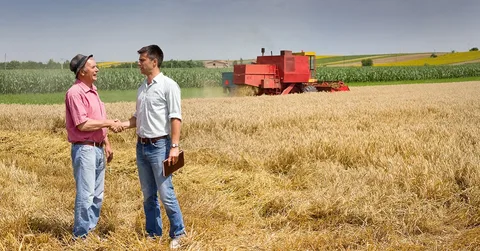
Agriculture and forestry are vital components of the global economy, providing food, raw materials, and jobs. As populations grow and environmental challenges arise, the importance of sustainable practices in these sectors has become increasingly evident. This article explores the business aspects of agriculture and forestry, their economic impact, and the emerging trends shaping their future.
Economic Impact
Agriculture
The agricultural sector plays a crucial role in the economy of many countries. It contributes significantly to GDP, provides employment for millions, and is essential for food security. The value chain in agriculture includes:
- Production: Farmers grow crops and raise livestock.
- Processing: Agricultural products are transformed into food and non-food items.
- Distribution: Products are transported to markets, retailers, and consumers.
- Retail: Supermarkets and local stores sell agricultural products to the public.
Investments in technology, such as precision agriculture and biotechnology, have increased efficiency and yields, while also addressing sustainability concerns. The rise of organic farming and local food systems reflects changing consumer preferences toward healthier and more environmentally friendly options.
Forestry
Forestry is another critical sector that contributes to the economy through timber production, non-timber forest products, and ecosystem services. The business aspects of forestry include:
- Sustainable Logging: Managing forest resources responsibly to ensure long-term productivity and health.
- Non-Timber Products: Harvesting products like nuts, fruits, and medicinal plants.
- Reforestation and Afforestation: Planting trees to restore degraded lands and increase carbon sequestration.
Forests also provide recreational opportunities, support biodiversity, and play a role in climate regulation, making sustainable forestry practices essential for environmental conservation.
Challenges and Opportunities
Both agriculture and forestry face significant challenges, including climate change, soil degradation, and water scarcity. However, these challenges also present opportunities for innovation and growth:
- Technology Integration: The use of drones, sensors, and AI in agriculture can optimize resource use and improve yields. In forestry, GIS technology helps in monitoring forest health and planning sustainable practices.
- Sustainable Practices: Emphasizing sustainability can create new markets. Organic farming, agroforestry, and certified sustainable forestry practices appeal to environmentally conscious consumers.
- Policy Support: Governments worldwide are increasingly recognizing the importance of sustainable agriculture and forestry, providing incentives for eco-friendly practices and investments.
Emerging Trends
-
AgriTech: The integration of technology in agriculture is revolutionizing farming practices. Startups focusing on precision agriculture, vertical farming, and farm management software are gaining traction.
-
Circular Economy: Both sectors are exploring circular economy principles, which emphasize reducing waste and reusing resources. This can involve composting agricultural waste or utilizing by-products from forestry.
-
Climate Resilience: Businesses are adopting practices that enhance resilience to climate change, such as diversifying crops and implementing water-saving technologies.
-
Consumer Trends: There is a growing demand for transparency and traceability in food systems. Businesses that provide information about the origin and sustainability of their products can gain a competitive edge.
Conclusion
The business of agriculture and forestry is at a crossroads, influenced by technological advancements, changing consumer preferences, and environmental imperatives. By embracing sustainability and innovation, these sectors can not only thrive economically but also play a critical role in addressing global challenges. As we move forward, the focus will increasingly shift toward responsible practices that benefit both people and the planet.
- Arts
- Business
- Computers
- Games
- Health
- Home
- Kids and Teens
- Money
- News
- Personal Development
- Recreation
- Regional
- Reference
- Science
- Shopping
- Society
- Sports
- Бизнес
- Деньги
- Дом
- Досуг
- Здоровье
- Игры
- Искусство
- Источники информации
- Компьютеры
- Личное развитие
- Наука
- Новости и СМИ
- Общество
- Покупки
- Спорт
- Страны и регионы
- World

 Russian
 French
 Spanish
 Portuguese
 Deutsch
 Turkish
 Dutch
Dutch
 Italiano
 Arabic
 Romaian
 Portuguese (Brazil)
 Greek
Greek