
Understanding Computer Hardware: The Backbone of Every Device
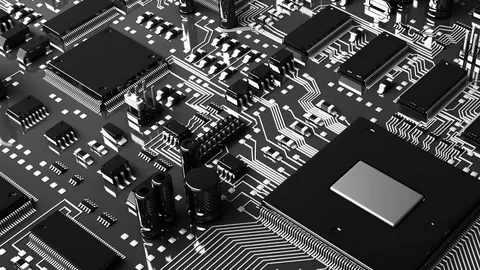
In the world of technology, hardware is the essential physical component that powers every electronic device. From personal computers to smartphones, hardware components are what make these devices function. Without hardware, software would have no platform to operate on. In this article, we'll dive into the different types of hardware, their functions, and why they are crucial in the world of computing.
What is Hardware?
Hardware refers to the tangible, physical elements of a computer system or any electronic device. Unlike software, which consists of programs and data, hardware can be physically touched and interacted with. It is responsible for executing tasks, storing data, and enabling communication between different parts of a system.
Key Components of Hardware
-
Central Processing Unit (CPU)
The CPU, often referred to as the brain of the computer, is the primary component responsible for executing instructions from programs. It processes data and coordinates activities between different hardware parts. Modern CPUs are incredibly powerful and can handle multiple tasks simultaneously. -
Motherboard
The motherboard is the main circuit board in a computer. It connects all the components of the system, including the CPU, memory, storage, and peripheral devices. It also enables communication between these components via buses and data pathways. -
Memory (RAM and ROM)
Memory plays a crucial role in storing data temporarily (RAM) or permanently (ROM). RAM (Random Access Memory) is where active data and programs are stored for quick access by the CPU. ROM (Read-Only Memory) contains essential system instructions and data that are critical for booting up the system. -
Storage Devices
Storage devices like hard disk drives (HDDs), solid-state drives (SSDs), and optical drives store data on a long-term basis. SSDs have become popular for their speed and reliability, while HDDs remain affordable options for bulk storage. -
Graphics Processing Unit (GPU)
The GPU is responsible for rendering images and videos to be displayed on a screen. It has become increasingly important for gaming, video editing, and tasks requiring high-performance graphical processing. Modern GPUs can handle complex 3D graphics, artificial intelligence tasks, and deep learning. -
Power Supply Unit (PSU)
The PSU is responsible for converting electrical power from an outlet into the appropriate voltages needed by various hardware components. Without a proper PSU, your system wouldn’t function properly or might fail to start at all. -
Cooling Systems
Cooling systems are vital in ensuring that components like the CPU and GPU do not overheat. These can include fans, heat sinks, liquid cooling systems, and thermal paste. Proper cooling is essential for maintaining performance and longevity of hardware components. -
Peripheral Devices
Peripheral devices refer to external devices that connect to a computer or system. These include input devices like keyboards, mice, and scanners, and output devices like monitors, printers, and speakers. -
Networking Hardware
Networking hardware such as routers, modems, and network interface cards (NICs) enable communication between different devices over a local network or the internet. These components allow devices to share data, resources, and access the web. -
Input and Output Ports
These include USB ports, HDMI ports, and audio jacks that facilitate communication between the computer and external devices. Whether connecting a printer, external storage, or a monitor, these ports are essential for the functionality of any device.
The Importance of Hardware in Modern Technology
Without hardware, software would be unable to function. Hardware provides the physical space and architecture for software to run on, process information, and interact with users. As technology continues to advance, hardware components evolve to meet the growing demands of faster processing speeds, higher storage capacity, and better graphical rendering.
Conclusion
Understanding the different types of hardware and their functions is key to appreciating the role they play in modern computing. Whether it's your personal computer, smartphone, or any other device, hardware forms the backbone that supports the execution of tasks. As technology continues to progress, hardware will remain central to the innovation and functionality of all electronic devices.
- Arts
- Business
- Computers
- Games
- Health
- Home
- Kids and Teens
- Money
- News
- Personal Development
- Recreation
- Regional
- Reference
- Science
- Shopping
- Society
- Sports
- Бизнес
- Деньги
- Дом
- Досуг
- Здоровье
- Игры
- Искусство
- Источники информации
- Компьютеры
- Личное развитие
- Наука
- Новости и СМИ
- Общество
- Покупки
- Спорт
- Страны и регионы
- World

 Russian
 French
 Spanish
 Portuguese
 Deutsch
 Turkish
 Dutch
Dutch
 Italiano
 Arabic
 Romaian
 Portuguese (Brazil)
 Greek
Greek