
How Do Startup CEOs Manage Work-Life Balance?
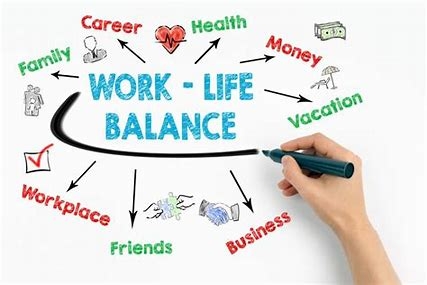
In the high-octane world of startups, where agility and rapid decision-making are often the keys to survival, startup CEOs carry a tremendous weight on their shoulders. They are responsible not just for steering the company toward growth but also for keeping the team motivated, managing investors, handling crises, and ensuring a long-term vision. Given these demands, a natural question arises: how do startup CEOs manage work-life balance?
The Myth of the 24/7 Hustle
There’s a persistent myth in startup culture that true success only comes through relentless work—late nights, skipped meals, and personal sacrifices. While short sprints of intense effort may sometimes be necessary, many experienced startup CEOs argue that sustainable performance is only possible through intentional balance and prioritization.
1. Time Blocking and Ruthless Prioritization
Many startup CEOs swear by time-blocking methods to protect their schedule. They allocate fixed periods in the day for meetings, deep work, family time, exercise, and rest. Ruthless prioritization ensures that energy is focused on what truly moves the needle instead of reacting to every request or fire.
2. Delegation and Building a Strong Team
Work-life balance often begins with trusting the team. Startup CEOs who scale successfully often attribute their sanity to hiring skilled people they can delegate to. Micromanagement not only slows down the team but also leads to burnout at the top.
3. Setting Boundaries and Being Unavailable
It may sound counterintuitive, but being unavailable at times can enhance performance. CEOs who clearly communicate boundaries—like no meetings after 6 p.m. or no emails during weekends—set the tone for a healthier work culture. This not only helps them recharge but also signals to the team that well-being is valued.
4. Daily Wellness Habits
Exercise, meditation, healthy eating, and sleep are non-negotiables for many startup leaders. These routines help manage stress, maintain focus, and foster long-term resilience. Even short mindfulness breaks during the day can help reset a pressured mind.
5. Support Systems and Mentorship
Startup CEOs often lean on peer groups, mentors, or coaches to talk through challenges. This support is vital in an environment where decisions can be lonely and stakes are high. Sharing experiences with others facing similar challenges provides both emotional relief and practical insight.
6. Redefining “Balance”
Work-life balance doesn’t always mean a perfect 50/50 split. For many startup CEOs, it’s about flexibility and integration. For example, some may take calls during school drop-offs or work late but take an afternoon off midweek. It’s about finding a rhythm that works for their life phase and company stage.
7. Long-Term Perspective
Startups are marathons disguised as sprints. CEOs who last tend to think long-term—not just about the company's trajectory but about their personal sustainability. Burnout at the top can be catastrophic, so maintaining balance is viewed as a leadership responsibility, not a luxury.
Conclusion
Work-life balance for startup CEOs is less about perfect harmony and more about deliberate choices. By setting boundaries, building strong teams, nurturing personal health, and keeping perspective, many leaders are able to thrive professionally without sacrificing personal well-being. In fact, by modeling balance, they often inspire healthier, more productive company cultures.
- Arts
- Business
- Computers
- Games
- Health
- Home
- Kids and Teens
- Money
- News
- Personal Development
- Recreation
- Regional
- Reference
- Science
- Shopping
- Society
- Sports
- Бизнес
- Деньги
- Дом
- Досуг
- Здоровье
- Игры
- Искусство
- Источники информации
- Компьютеры
- Личное развитие
- Наука
- Новости и СМИ
- Общество
- Покупки
- Спорт
- Страны и регионы
- World

 Russian
 French
 Spanish
 Portuguese
 Deutsch
 Turkish
 Dutch
Dutch
 Italiano
 Arabic
 Romaian
 Portuguese (Brazil)
 Greek
Greek