
How Should Equity Be Divided Among Founders?
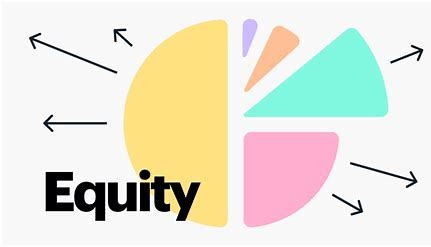
Equity distribution is one of the most sensitive and impactful decisions a founding team will make. It sets the tone for trust, fairness, and motivation—and if handled poorly, can lead to conflict that derails even the most promising startups. So how should equity be fairly and wisely divided among founders?
1. Start With Transparent Conversations
Before drafting any numbers or agreements, founders need to sit down and have an honest discussion. Who is bringing what to the table—skills, experience, time, money, or relationships? Transparency at this stage builds a foundation of trust and helps avoid resentment later.
2. Consider the Origin of the Idea
If one founder came up with the original business idea and spent significant time developing it before others joined, that early effort and vision should be factored into their equity share. However, remember that ideas alone aren’t enough—execution is equally, if not more, valuable.
3. Evaluate Roles and Responsibilities
Equity should reflect the importance and intensity of each founder’s role. Is one person the CEO driving strategy and fundraising, while another leads product development or operations? Each role should be tied to deliverables and responsibilities that are critical to the company’s success.
4. Assess Time Commitment
Founders contributing full-time from day one take on more risk and sacrifice. Someone joining part-time or after the startup has gained traction should expect a smaller slice. Align equity with current and expected future effort—not just past involvement.
5. Account for Financial Investment
If a founder is investing personal funds to cover early expenses or bootstrap operations, that financial risk should be acknowledged in the equity split. While not the sole factor, cash investment can tilt equity in favor of contributors who bear initial financial burdens.
6. Use Vesting Schedules
To protect the company and ensure long-term commitment, implement a standard four-year vesting schedule with a one-year cliff. This ensures that founders earn their equity over time and prevents a scenario where someone walks away with a large stake after minimal contribution.
7. Explore Equity Calculation Tools
Online tools like Foundrs.com, Slicing Pie, or Equity Calculator by CoFoundersLab can provide structured frameworks to guide equity discussions. These tools help quantify factors like risk, contribution, and commitment into fair equity distributions.
8. Seek Legal and Financial Guidance
Once an equity split is agreed upon, formalize it with legal documentation, including a founders’ agreement and cap table. Consult with a startup attorney to ensure all terms—vesting, roles, equity percentages, exit clauses—are clearly defined and enforceable.
9. Keep the Long-Term Vision in Mind
Avoid over-optimizing for the short term. A fair equity split motivates all founders to commit fully and think like owners. Resentment or imbalance in equity can lead to disengagement, dysfunction, or even founder breakups later on.
10. Revisit as the Company Evolves
Equity conversations shouldn’t happen just once. If significant changes occur—like a major pivot, funding round, or shift in responsibilities—it’s worth revisiting the equity structure. Fairness should evolve with contribution and risk over time.
Conclusion
Dividing equity among founders is part math, part psychology, and part foresight. There’s no perfect formula, but thoughtful, honest, and legally grounded conversations create fairness and alignment. When founders feel equally valued and committed, the company stands a much better chance of surviving and thriving.
- Arts
- Business
- Computers
- Oyunlar
- Health
- Home
- Kids and Teens
- Money
- News
- Personal Development
- Recreation
- Regional
- Reference
- Science
- Shopping
- Society
- Sports
- Бизнес
- Деньги
- Дом
- Досуг
- Здоровье
- Игры
- Искусство
- Источники информации
- Компьютеры
- Личное развитие
- Наука
- Новости и СМИ
- Общество
- Покупки
- Спорт
- Страны и регионы
- World

 English
 Russian
 French
 Spanish
 Portuguese
 Deutsch
 Dutch
Dutch
 Italiano
 Arabic
 Romaian
 Portuguese (Brazil)
 Greek
Greek
