
What Are the Most Common Project Management Methodologies?
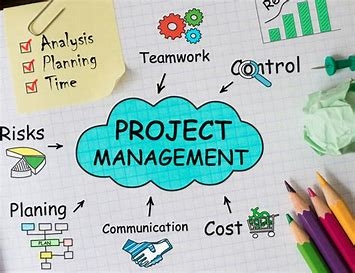
Project management methodologies provide structured approaches to planning, executing, and completing projects. Choosing the right methodology can significantly influence a project's success, depending on the industry, team size, goals, and flexibility required. Below are some of the most widely used project management methodologies, each with its own strengths and ideal use cases.
1. Waterfall
Waterfall is a traditional, linear project management approach where each phase must be completed before the next begins. It is highly structured and best suited for projects with clearly defined requirements and outcomes.
Key Features:
-
Sequential phases (e.g., requirements → design → implementation → testing → deployment)
-
Emphasizes thorough documentation
-
Limited flexibility for changes once the project starts
Ideal For: Construction, manufacturing, and projects with stable, predictable requirements.
2. Agile
Agile is a flexible, iterative methodology that promotes adaptive planning, continuous improvement, and collaboration. Instead of delivering the final product all at once, Agile delivers small, functional pieces in repeated cycles (called iterations).
Key Features:
-
Customer collaboration over strict contracts
-
Responds quickly to change
-
Frequent delivery of working software or components
Ideal For: Software development, startups, and dynamic environments where requirements evolve frequently.
3. Scrum
Scrum is a popular Agile framework that divides projects into short, time-boxed periods called sprints, typically lasting 1–4 weeks. Scrum emphasizes defined team roles (Scrum Master, Product Owner, and Development Team) and regular ceremonies like daily stand-ups and sprint reviews.
Key Features:
-
Sprint planning and delivery
-
Daily team meetings for transparency
-
Focus on incremental progress and continuous feedback
Ideal For: Teams working on complex, rapidly changing projects, especially in software development.
Conclusion
Choosing the right project management methodology depends on your project's scope, complexity, team dynamics, and flexibility needs. Waterfall offers structure, Agile provides adaptability, and Scrum delivers a focused, team-driven version of Agile. Understanding these methods helps teams align their workflows with project goals and enhance overall performance.
- Arts
- Business
- Computers
- الألعاب
- Health
- الرئيسية
- Kids and Teens
- مال
- News
- Personal Development
- Recreation
- Regional
- Reference
- Science
- Shopping
- Society
- Sports
- Бизнес
- Деньги
- Дом
- Досуг
- Здоровье
- Игры
- Искусство
- Источники информации
- Компьютеры
- Личное развитие
- Наука
- Новости и СМИ
- Общество
- Покупки
- Спорт
- Страны и регионы
- World

 English
 Russian
 French
 Spanish
 Portuguese
 Deutsch
 Turkish
 Dutch
Dutch
 Italiano
 Romaian
 Portuguese (Brazil)
 Greek
Greek