
Can You Describe the Team Dynamics?
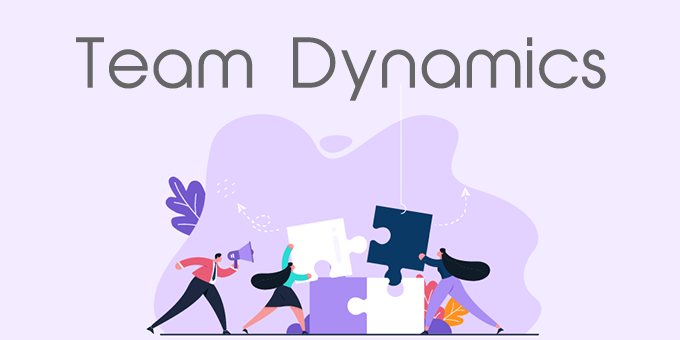
Insight into Collaboration and Work Environment
Understanding team dynamics is essential to evaluating how individuals interact, communicate, and perform together in a workplace. A healthy team dynamic fosters collaboration, mutual respect, and productivity, while a poor one can hinder progress and morale. Whether you're managing a team or joining a new one, it's important to assess how team members work together and what values drive their interactions.
What Are Team Dynamics?
Team dynamics refer to the unconscious, psychological forces that influence how a team behaves and performs. These dynamics can stem from the personalities of team members, their roles, relationships, and the work culture. Effective team dynamics promote shared responsibility, creative problem-solving, and a sense of belonging.
Key Elements of Strong Team Dynamics
-
Clear Communication
Open and honest communication is at the heart of any successful team. Teams with strong communication can resolve conflicts quickly, share feedback constructively, and keep everyone aligned on goals and expectations. -
Defined Roles and Responsibilities
Knowing who is responsible for what prevents confusion and overlap. It also empowers each team member to take ownership of their tasks, contributing to the overall efficiency. -
Mutual Respect and Trust
Trust forms the foundation of collaboration. Teams that respect each other’s opinions and strengths are more likely to engage in healthy debates and reach better decisions. -
Shared Goals
When team members understand and are committed to a common purpose, their efforts are more focused and synergistic. This unity also improves motivation and morale. -
Adaptability and Support
In fast-paced environments, the ability to adapt is crucial. A team that supports each other through challenges tends to be more resilient and innovative.
Work Environment and Collaboration
The work environment greatly influences team dynamics. A culture of inclusivity, psychological safety, and recognition encourages collaboration. When people feel valued and heard, they are more likely to contribute ideas and take initiative.
Remote or hybrid work has introduced new dynamics, emphasizing the importance of digital communication, flexibility, and trust. Teams that adapt to these changes while maintaining connection and engagement tend to thrive.
Conclusion
Effective team dynamics are not accidental; they are cultivated through intentional leadership, open communication, and a culture of trust and support. By understanding and fostering positive dynamics, organizations can build teams that are not only productive but also deeply engaged and fulfilled.
- Arts
- Business
- Computers
- Jogos
- Health
- Início
- Kids and Teens
- Money
- News
- Personal Development
- Recreation
- Regional
- Reference
- Science
- Shopping
- Society
- Sports
- Бизнес
- Деньги
- Дом
- Досуг
- Здоровье
- Игры
- Искусство
- Источники информации
- Компьютеры
- Личное развитие
- Наука
- Новости и СМИ
- Общество
- Покупки
- Спорт
- Страны и регионы
- World

 English
 Russian
 French
 Spanish
 Deutsch
 Turkish
 Dutch
Dutch
 Italiano
 Arabic
 Romaian
 Portuguese (Brazil)
 Greek
Greek