
Are Social Events and Team Building Organized?
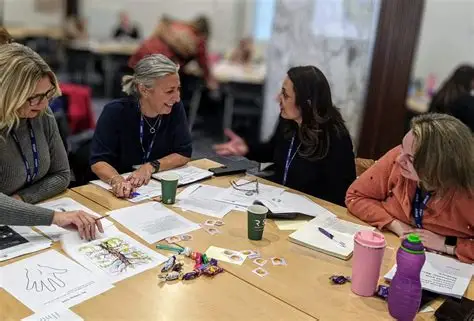
A company’s approach to social events and team building reveals a lot about its culture, values, and how much it invests in employee engagement. These activities aren’t just about fun—they serve as key strategies for strengthening workplace relationships, improving communication, and boosting morale.
Why Social Events and Team Building Matter
-
Foster connection: Especially in hybrid or remote environments, people need intentional opportunities to bond beyond work tasks.
-
Build trust: Casual, non-work interactions help people see the human side of their colleagues, encouraging empathy and understanding.
-
Improve collaboration: When employees know each other better, teamwork becomes more natural and efficient.
-
Boost morale and retention: Happy teams are more likely to stay, support each other, and go the extra mile.
Common Types of Team Building Activities
-
Offsite retreats: Full-day or multi-day events combining workshops with social time.
-
Team lunches/dinners: Casual meals that let people connect in a relaxed setting.
-
Icebreaker games and workshops: Great for onboarding new employees or starting new projects.
-
Volunteer events: Community service activities that promote unity and purpose.
-
Escape rooms or problem-solving games: Encourage teamwork, strategy, and fun.
-
Fitness or wellness events: Yoga sessions, hikes, or wellness challenges.
-
Virtual hangouts or quizzes: Ideal for remote or distributed teams.
Social Events in Company Culture
Companies that prioritize social connection tend to:
-
See higher levels of trust and communication
-
Have more inclusive and positive work environments
-
Retain top talent more effectively
-
Build a sense of belonging that transcends roles
Events don’t have to be expensive or large to make an impact. Even small, consistent efforts like birthday celebrations, coffee chats, or informal Slack channels can go a long way.
How to Know If a Company Prioritizes Social Engagement
Ask during interviews:
-
“Can you tell me about your last team-building event?”
-
“How do teams socialize outside of work tasks?”
-
“What kind of employee-driven clubs or groups exist?”
Also, check the company’s social media. Do they post pictures from retreats, volunteer work, or office celebrations?
Remote & Hybrid Adaptations
With the rise of remote work, many organizations have adapted:
-
Online team games
-
Virtual happy hours
-
Monthly check-ins with non-work topics
-
Company-wide wellness challenges
These ensure that even remote employees feel connected and valued.
Conclusion
Social events and team-building initiatives are more than just perks—they’re investments in workplace cohesion, morale, and long-term success. A culture that celebrates people beyond productivity is one where employees are more likely to thrive.
- Arts
- Business
- Computers
- Jogos
- Health
- Início
- Kids and Teens
- Money
- News
- Personal Development
- Recreation
- Regional
- Reference
- Science
- Shopping
- Society
- Sports
- Бизнес
- Деньги
- Дом
- Досуг
- Здоровье
- Игры
- Искусство
- Источники информации
- Компьютеры
- Личное развитие
- Наука
- Новости и СМИ
- Общество
- Покупки
- Спорт
- Страны и регионы
- World

 English
 Russian
 French
 Spanish
 Deutsch
 Turkish
 Dutch
Dutch
 Italiano
 Arabic
 Romaian
 Portuguese (Brazil)
 Greek
Greek
