
What Does the Hiring Process Look Like? / What Are the Next Steps?
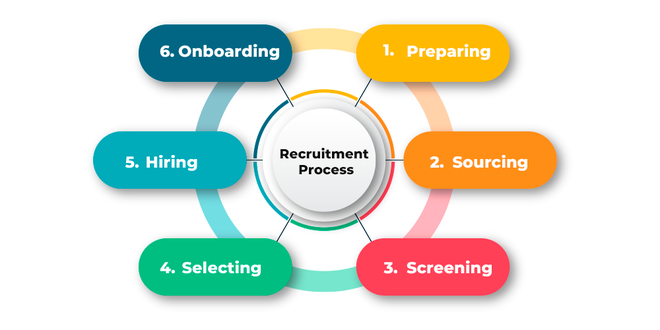
Understanding the hiring process is a top priority for candidates during interviews. It helps manage expectations, reduce anxiety, and assess whether the company’s approach to recruitment is structured, transparent, and respectful. For employers—especially CEOs and senior leaders involved in hiring—communicating the process clearly reflects positively on the organization’s professionalism and candidate experience.
1. Why Transparency in the Hiring Process Matters
From the first conversation to the final offer, a clear hiring roadmap ensures candidates know where they stand. When employers are upfront about each stage, timelines, and expectations, they demonstrate organization, clarity, and respect for the candidate’s time.
2. Typical Stages in a Hiring Process
While the specifics vary by company and role, most hiring processes follow these general steps:
-
Application and Resume Screening
-
Initial Phone or Video Interview (with HR or recruiter)
-
First-Round Interview (with hiring manager)
-
Assessment or Case Study (if applicable)
-
Panel or Team Interviews
-
Final Interview (with senior leadership or CEO)
-
Reference Checks
-
Offer Stage
-
Negotiation and Acceptance
-
Onboarding Preparation
3. When Candidates Ask: “What Are the Next Steps?”
This is a common question at the end of an interview, and it's a signal that the candidate is invested. An ideal response is specific and reassuring:
“Thanks for your time today. The next step would be a panel interview with two team members. We’re aiming to complete those by next Friday, and you’ll hear from us by early next week.”
Avoid vague responses like “We’ll be in touch” or “We’re still figuring that out.”
4. Timelines and Communication Matter
One of the biggest frustrations candidates report is lack of timely updates. CEOs and hiring leaders should ensure their teams:
-
Confirm next steps at the end of every interview.
-
Provide estimated timelines for decisions.
-
Follow up proactively—even if there are delays.
5. Customizing the Process by Role
Senior or specialized roles often require:
-
More in-depth interviews
-
Strategic presentations or simulations
-
CEO involvement
-
Stakeholder or board interviews
For junior roles, a simplified, faster process may suffice. Tailor accordingly.
6. Clarity on Evaluation Criteria
Letting candidates know what you’re assessing—skills, leadership, culture fit, etc.—helps them prepare better and demonstrates transparency. It also reduces anxiety around unknown expectations.
7. Addressing Assessments or Projects
If your process includes a case study, take-home assignment, or coding test, explain:
-
Why it’s being used
-
How much time it should take
-
What the review process looks like
Make sure it’s reasonable in length—asking for hours of unpaid labor reflects poorly on the company.
8. Handling Rejections with Respect
Not everyone will move forward. But how rejections are handled matters. Ideally, provide:
-
A timely response
-
A respectful tone
-
Feedback (if possible)
A graceful “no” can keep candidates open to future roles and boost employer brand.
9. Setting the Stage for Offer Discussions
If a candidate is moving toward the offer stage, begin setting expectations early:
-
Compensation range
-
Start date flexibility
-
Offer process timeline
This avoids surprises and keeps the momentum strong.
10. Streamlining Without Rushing
Speed is important, but not at the cost of depth or experience quality. A well-paced process balances thorough evaluation with respect for the candidate’s time.
Conclusion
The hiring process is more than logistics—it’s a first impression of your company's culture and communication style. CEOs and hiring teams that create clear, structured, and respectful hiring journeys are far more likely to attract and close top talent.
- Arts
- Business
- Computers
- الألعاب
- Health
- الرئيسية
- Kids and Teens
- مال
- News
- Personal Development
- Recreation
- Regional
- Reference
- Science
- Shopping
- Society
- Sports
- Бизнес
- Деньги
- Дом
- Досуг
- Здоровье
- Игры
- Искусство
- Источники информации
- Компьютеры
- Личное развитие
- Наука
- Новости и СМИ
- Общество
- Покупки
- Спорт
- Страны и регионы
- World

 English
 Russian
 French
 Spanish
 Portuguese
 Deutsch
 Turkish
 Dutch
Dutch
 Italiano
 Romaian
 Portuguese (Brazil)
 Greek
Greek
