
What Is Bounce Rate?
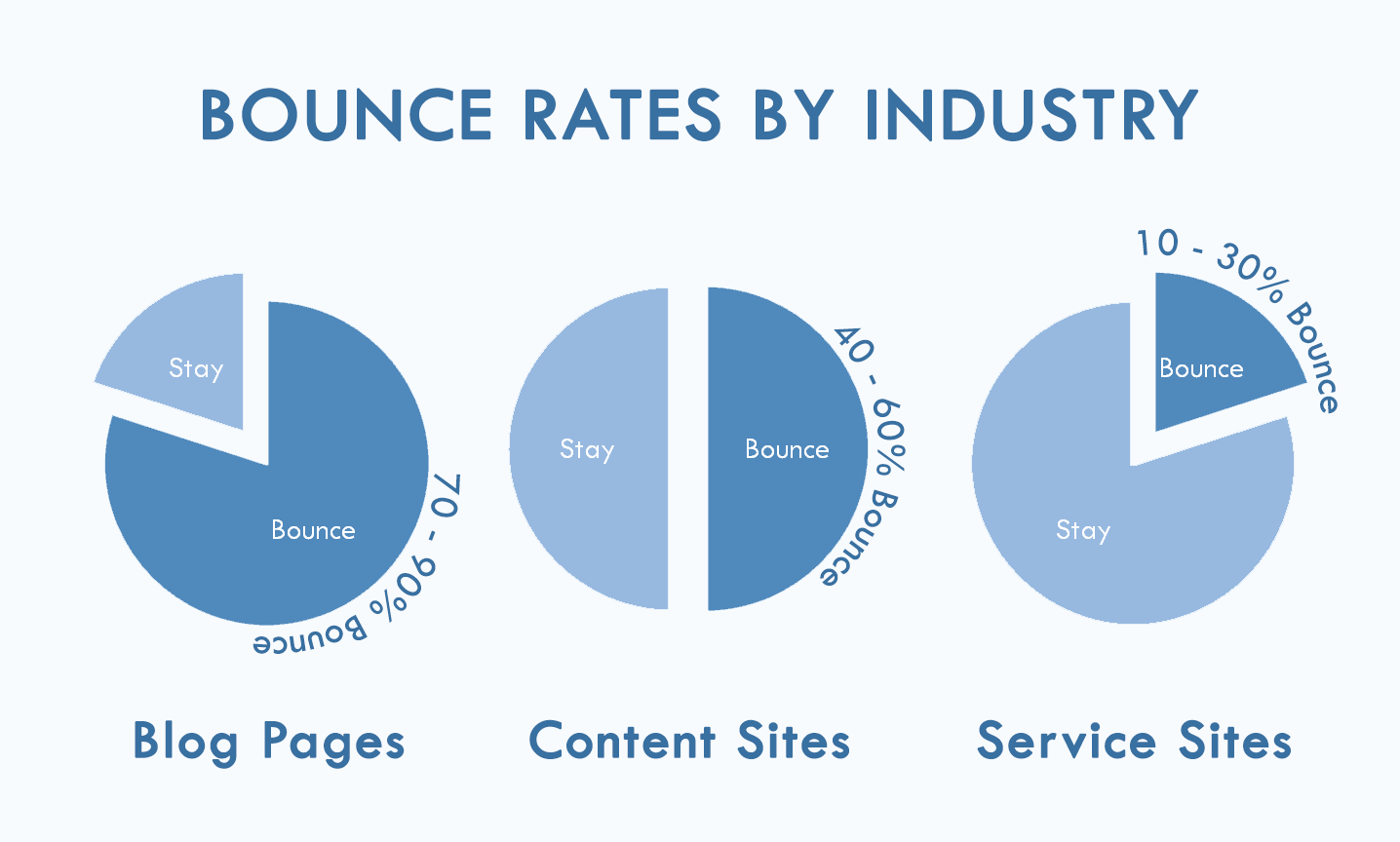
In digital marketing and website optimization, one of the most frequently discussed metrics is bounce rate. It is often misunderstood, yet it provides critical insight into how users interact—or fail to interact—with your website. Understanding bounce rate can help you improve user experience, content quality, and ultimately, conversions.
This article breaks down what bounce rate is, why it matters, how to measure it, and strategies to improve it.
Defining Bounce Rate
Bounce rate is the percentage of website visitors who arrive on a page and then leave without taking any further action—such as clicking a link, filling out a form, or navigating to another page.
For example:
-
A user searches on Google, clicks your blog post, reads it, and leaves without exploring your site further. This is a “bounce.”
-
If 100 people land on that page and 60 of them leave immediately without interacting, the bounce rate for that page is 60%.
Bounce rate helps answer the question: How engaging is this webpage to visitors?
Why Bounce Rate Matters
A high bounce rate may indicate issues with user engagement, content relevance, or website performance. On the other hand, a bounce is not always negative. For instance, if a visitor finds the exact answer they were looking for on a single page, they might leave satisfied.
Still, in many cases, a high bounce rate signals opportunities for improvement. Some reasons bounce rate matters include:
-
User experience indicator: Shows whether visitors find your site valuable or frustrating.
-
Content quality check: Highlights if your content matches user intent.
-
SEO implications: While not a direct Google ranking factor, a poor bounce rate can signal weak engagement, indirectly affecting rankings.
-
Conversion insights: If high-value pages (like product pages) have high bounce rates, conversions will suffer.
How Bounce Rate Is Calculated
The formula is simple:
Bounce Rate = (Single-Page Sessions ÷ Total Sessions) × 100
Example:
-
Total visits: 1,000
-
Single-page sessions: 400
-
Bounce Rate = (400 ÷ 1,000) × 100 = 40%
Most analytics platforms, such as Google Analytics, calculate this automatically.
What Is a Good Bounce Rate?
There is no universal benchmark, since bounce rate varies by industry, content type, and purpose of the webpage.
-
20–40%: Excellent (typical for websites with strong engagement like ecommerce).
-
40–55%: Average (common for blogs and informational websites).
-
55–70%: Above average, may need attention.
-
70%+: Usually concerning, unless it’s a blog post or single-page website.
The key is not to chase a “perfect number” but to evaluate bounce rates in context.
Common Causes of High Bounce Rates
-
Slow page load times: Visitors leave if a site takes more than a few seconds to load.
-
Misleading titles or meta descriptions: If the content doesn’t match what users expected, they exit.
-
Poor mobile optimization: Mobile visitors often abandon pages that aren’t responsive.
-
Weak design and navigation: A cluttered or confusing layout discourages interaction.
-
Thin or irrelevant content: Visitors leave if content doesn’t answer their needs.
-
Too many pop-ups or ads: Aggressive interruptions often drive users away.
How to Reduce Bounce Rate
1. Improve Page Load Speed
Fast-loading websites retain users longer. Use tools like Google PageSpeed Insights to identify and fix issues.
2. Match Content to Search Intent
Ensure that your page delivers what the title and description promise. Misaligned expectations frustrate users.
3. Enhance Readability
Use short paragraphs, bullet points, and visuals to make content easy to digest.
4. Add Clear Calls-to-Action (CTAs)
Guide visitors to the next step—whether signing up, reading related content, or making a purchase.
5. Optimize for Mobile
Since a large percentage of traffic comes from mobile devices, a responsive design is essential.
6. Provide Internal Links
Encourage users to explore related content, reducing single-page exits.
7. Minimize Intrusive Elements
Limit pop-ups, autoplay videos, or distracting ads.
When a High Bounce Rate Isn’t Bad
Not all high bounce rates are harmful. For example:
-
Blog posts: Visitors may read an article, get their answer, and leave satisfied.
-
Landing pages with one CTA: If the page is designed to encourage a single action (like filling out a form), leaving afterward doesn’t indicate failure.
-
Contact information pages: Visitors may simply find your phone number or address and exit.
The key is to align bounce rate expectations with page goals.
Bounce Rate vs. Exit Rate
It’s important to differentiate between bounce rate and exit rate:
-
Bounce Rate: Measures users who leave after visiting only one page.
-
Exit Rate: Tracks the percentage of users who leave from a specific page, regardless of how many pages they visited before.
Example: If a visitor browses three pages and leaves from the third, that’s an exit, not a bounce.
Conclusion
Bounce rate is a valuable metric for understanding visitor behavior and webpage performance. While a high bounce rate can signal problems with engagement, design, or content, context is key—sometimes a bounce simply means a visitor got exactly what they needed.
By analyzing bounce rate alongside other metrics like time on page, conversion rates, and user flow, you can build a more accurate picture of user engagement and make informed improvements to your website.
- Arts
- Business
- Computers
- Spiele
- Health
- Startseite
- Kids and Teens
- Geld
- News
- Personal Development
- Recreation
- Regional
- Reference
- Science
- Shopping
- Society
- Sports
- Бизнес
- Деньги
- Дом
- Досуг
- Здоровье
- Игры
- Искусство
- Источники информации
- Компьютеры
- Личное развитие
- Наука
- Новости и СМИ
- Общество
- Покупки
- Спорт
- Страны и регионы
- World

 English
 Russian
 French
 Spanish
 Portuguese
 Turkish
 Dutch
Dutch
 Italiano
 Arabic
 Romaian
 Portuguese (Brazil)
 Greek
Greek