
How Much Does It Cost? / What’s Included in the Price?
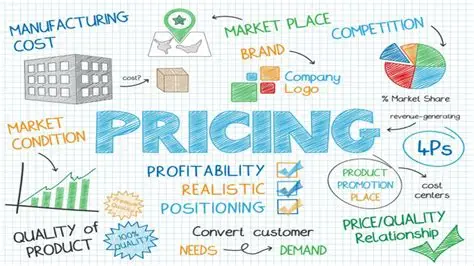
One of the first questions customers ask—whether shopping for software, consumer products, or professional services—is simple yet powerful: “How much does it cost, and what’s included in the price?” This question goes beyond numbers. It reflects a customer’s desire for clarity, trust, and value.
Pricing transparency can make or break purchasing decisions. Businesses that clearly explain their prices and inclusions foster credibility, while those that obscure details risk losing trust.
This article explores why customers ask this question, how businesses should respond, and the best practices for communicating costs and inclusions effectively.
1. Why Customers Ask This Question
-
Budget Planning: Customers want to know if they can afford your product or service.
-
Value Assessment: They want to see whether the benefits justify the cost.
-
Comparison Shopping: It helps them evaluate your offering against competitors.
-
Transparency Check: Customers look for honesty—hidden fees or unclear terms raise red flags.
In B2B deals, the question is even more critical because costs often tie into budgets, approvals, and ROI projections.
2. The Psychology Behind Price Clarity
Customers aren’t just asking about money—they’re asking about value. When you clearly outline inclusions, you reduce uncertainty, which makes buyers more comfortable.
-
Transparency builds trust: Customers feel they’re making informed decisions.
-
Bundling increases perceived value: Showing multiple features under one price makes offerings seem more generous.
-
Breakdowns justify pricing: Explaining costs signals fairness and professionalism.
For example, explaining that a $200 monthly software subscription includes training, updates, and support helps customers see the full value—not just the number.
3. What Customers Expect in the Answer
When answering “How much does it cost?” businesses should aim for clarity, not confusion. Customers generally want:
-
A clear base price (no surprises).
-
What’s included (features, services, or guarantees).
-
Optional add-ons and their costs.
-
Payment terms (monthly, annually, one-time).
-
Any discounts or promotions available.
-
What’s excluded (to manage expectations).
The more upfront you are, the fewer objections you’ll face later.
4. Breaking Down Costs: Best Practices
a) List the Base Price Clearly
State the core price upfront, avoiding vague language like “Contact us for details” unless truly necessary for custom solutions.
b) Bundle Features Transparently
Show exactly what’s included at each price level. For example:
-
Basic Plan: $20/month – Access to platform + email support.
-
Pro Plan: $50/month – Adds phone support + integrations.
-
Enterprise Plan: Custom pricing – Includes dedicated account manager.
c) Highlight Added Value
Instead of just listing costs, emphasize value: savings, convenience, time saved, or premium quality.
d) Use Visuals
Tables, charts, and side-by-side comparisons make inclusions easy to understand.
5. The Role of Hidden Fees
Nothing frustrates customers more than hidden charges. Drip pricing—advertising a low upfront price, then adding fees later—is increasingly criticized and even regulated in many regions.
Businesses should:
-
Be transparent about taxes, shipping, or service fees.
-
Offer “all-in” pricing when possible.
-
Communicate optional vs. mandatory add-ons.
Transparency prevents sticker shock and builds customer loyalty.
6. Cost vs. Value: Changing the Conversation
Smart businesses frame pricing conversations around value delivered, not just dollars spent.
For example:
-
A gym membership at $60/month isn’t just about access to equipment—it’s about health, community, and improved lifestyle.
-
A SaaS tool at $200/month isn’t just about features—it’s about time saved, fewer errors, and improved team productivity.
By shifting focus from cost to value, businesses make pricing feel like an investment, not just an expense.
7. Custom Pricing in B2B Settings
In B2B and enterprise deals, “What does it cost?” often has no simple answer. Pricing may depend on:
-
Company size and users.
-
Usage volume (e.g., cloud storage).
-
Required customization or integrations.
-
Service-level agreements (SLAs).
In these cases, businesses should still offer transparency by sharing pricing frameworks (ranges, tiered packages, or calculators) instead of vague promises.
8. Communicating Inclusions Across Channels
Consistency matters. Whether pricing appears on a website, in sales calls, or in contracts, the message should match.
-
Websites: Clear tables, FAQs, and breakdowns.
-
Sales Conversations: Tailored explanations that connect inclusions to customer needs.
-
Contracts: Detailed line items to avoid disputes.
Mismatched or unclear communication across channels often leads to customer mistrust.
9. Using Pricing FAQs to Build Trust
A dedicated FAQ section answering “What’s included in the price?” helps address concerns proactively. Examples include:
-
Are updates included?
-
Do I get support?
-
What happens if I cancel?
-
Are there set-up fees?
This reduces friction in the buying journey and positions your brand as transparent.
10. Examples of Transparency Done Right
-
Netflix: Clearly lists plans and inclusions (number of screens, resolution).
-
AppleCare: Explains what’s covered, what’s not, and duration.
-
Airbnb: Displays nightly rates, cleaning fees, and taxes upfront (after regulatory pressure).
These brands show that transparency is not only ethical but also profitable.
Final Thoughts
When customers ask, “How much does it cost, and what’s included?” they’re really asking whether your product or service is worth it. Businesses that clearly outline pricing, inclusions, and value differentiate themselves in competitive markets.
The best approach is simple: be upfront, be clear, and emphasize value. Doing so builds trust, reduces friction, and accelerates conversions.
- Arts
- Business
- Computers
- Juegos
- Health
- Home
- Kids and Teens
- Money
- News
- Personal Development
- Recreation
- Regional
- Reference
- Science
- Shopping
- Society
- Sports
- Бизнес
- Деньги
- Дом
- Досуг
- Здоровье
- Игры
- Искусство
- Источники информации
- Компьютеры
- Личное развитие
- Наука
- Новости и СМИ
- Общество
- Покупки
- Спорт
- Страны и регионы
- World

 English
 Russian
 French
 Portuguese
 Deutsch
 Turkish
 Dutch
Dutch
 Italiano
 Arabic
 Romaian
 Portuguese (Brazil)
 Greek
Greek