
How Do I Overcome Procrastination?
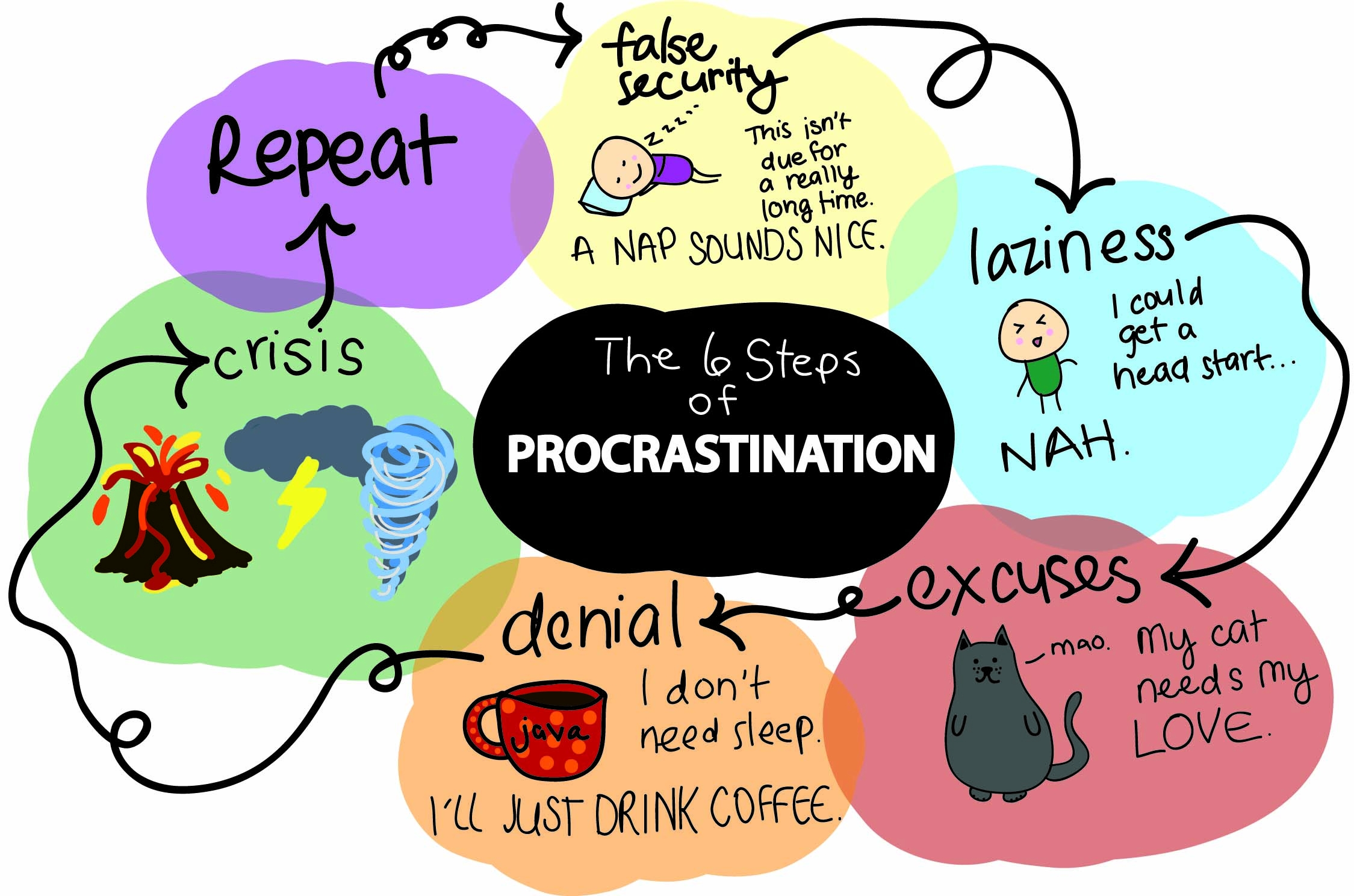
Procrastination is the silent thief of time. Most of us have experienced it: putting off a task until the last possible moment, even when we know it will cause stress later. While procrastination feels like laziness, it’s often more about fear, perfectionism, or lack of clarity than simple unwillingness. The good news? With awareness and practical strategies, you can overcome procrastination and reclaim your productivity.
1. Understanding Why We Procrastinate
Before fixing procrastination, you need to understand it. Common causes include:
-
Fear of failure: Worrying you won’t do the task well.
-
Perfectionism: Believing you must get everything right before starting.
-
Lack of clarity: Not knowing the first step makes tasks overwhelming.
-
Low motivation: The task doesn’t feel meaningful or rewarding.
-
Poor time management: Getting distracted or underestimating how long tasks take.
Identifying the root cause helps you choose the right strategy.
2. Break Tasks Into Smaller Steps
Large goals can feel paralyzing. Breaking them into bite-sized actions reduces overwhelm and creates momentum.
Example: Instead of “write a report,” start with:
-
Outline main sections.
-
Research one key point.
-
Write the introduction.
Each small win builds confidence, making the task less intimidating.
3. Use the Two-Minute Rule
Productivity expert David Allen suggests: if a task takes less than two minutes, do it immediately. For larger tasks, start with just two minutes of effort. Often, getting started is the hardest part, and momentum carries you forward.
4. Eliminate Distractions
Procrastination thrives in environments filled with distractions. Common culprits: social media, phone notifications, or cluttered workspaces.
To counter this:
-
Silence unnecessary notifications.
-
Use website blockers during work sessions.
-
Keep your workspace organized and free of temptations.
A focused environment supports consistent action.
5. Set Clear Deadlines
Without deadlines, tasks expand indefinitely. Even self-imposed deadlines create urgency and help you prioritize.
Example: Instead of saying, “I’ll finish this project soon,” commit to: “I’ll finish the first draft by Wednesday at 5 p.m.”
6. Apply the Pomodoro Technique
The Pomodoro Technique involves working in focused 25-minute sessions, followed by a 5-minute break. After four sessions, take a longer break. This structure keeps tasks manageable, reduces burnout, and combats procrastination by making work feel less daunting.
7. Focus on Progress, Not Perfection
Perfectionism often fuels procrastination. You delay tasks because you fear the result won’t be flawless. To overcome this, remind yourself: done is better than perfect.
Focus on progress over perfection by:
-
Creating rough drafts first.
-
Giving yourself permission to improve later.
-
Viewing mistakes as opportunities to learn.
8. Reward Yourself
Positive reinforcement makes productivity enjoyable. Plan rewards for completing tasks—whether that’s a coffee break, a short walk, or watching your favorite show. Rewards signal to your brain that productivity is rewarding, making it easier to stay consistent.
9. Reconnect With Purpose
Sometimes procrastination stems from lack of meaning. Ask yourself:
-
Why does this task matter?
-
How does it connect to my long-term goals?
When you tie tasks to personal or professional purpose, motivation naturally increases. For example, “I’m not just writing a report—I’m building credibility for my career.”
10. Practice Self-Compassion
Beating yourself up for procrastinating only creates guilt and stress, which can make procrastination worse. Instead, practice self-compassion. Acknowledge setbacks, forgive yourself, and refocus.
Think: “I procrastinated today, but tomorrow is a new chance.” Progress is more important than perfection.
11. Use Accountability
Accountability partners, mentors, or even public commitments can reduce procrastination. When others know your goals, you’re more motivated to follow through.
Ideas:
-
Share progress with a colleague.
-
Join a study or work group.
-
Use productivity apps that track progress and send reminders.
12. Create a Routine
Routine removes decision fatigue, which often triggers procrastination. If you schedule time daily for important tasks, you’re less likely to delay them.
Example: Write for 30 minutes every morning before checking emails.
Over time, routines turn productivity into habit, reducing the mental effort to start.
13. Manage Energy, Not Just Time
Sometimes procrastination isn’t about poor time management—it’s about low energy. Pay attention to when you’re most focused (morning, afternoon, evening) and schedule difficult tasks during peak energy times.
Also:
-
Sleep well.
-
Exercise regularly.
-
Eat balanced meals.
A healthy body supports a productive mind.
14. Final Thoughts
Procrastination isn’t a sign of laziness—it’s a habit shaped by fear, overwhelm, or lack of clarity. By breaking tasks into smaller steps, setting deadlines, eliminating distractions, and rewarding progress, you can shift from avoidance to action.
Improving self-awareness and self-compassion helps, too. Instead of criticizing yourself, approach procrastination with curiosity: “Why am I avoiding this? What small step can I take today?”
Over time, consistent action builds confidence, turning procrastination into productivity and momentum into long-term success.
- Arts
- Business
- Computers
- الألعاب
- Health
- الرئيسية
- Kids and Teens
- مال
- News
- Personal Development
- Recreation
- Regional
- Reference
- Science
- Shopping
- Society
- Sports
- Бизнес
- Деньги
- Дом
- Досуг
- Здоровье
- Игры
- Искусство
- Источники информации
- Компьютеры
- Личное развитие
- Наука
- Новости и СМИ
- Общество
- Покупки
- Спорт
- Страны и регионы
- World

 English
 Russian
 French
 Spanish
 Portuguese
 Deutsch
 Turkish
 Dutch
Dutch
 Italiano
 Romaian
 Portuguese (Brazil)
 Greek
Greek
