
What does Bank of England base rate mean?
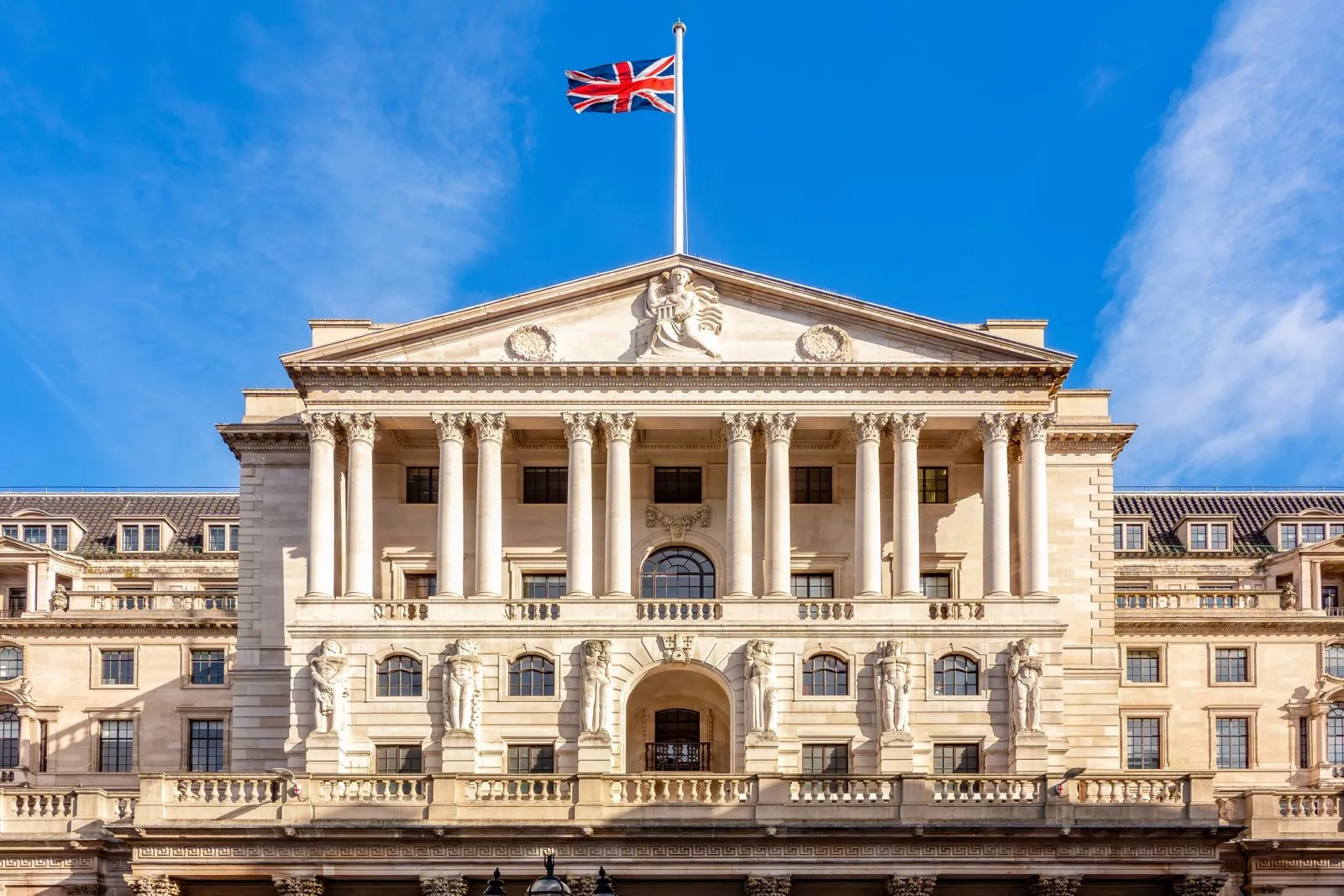
What does Bank of England base rate mean?
The Bank of England base rate, often simply called the "base rate," is the UK’s official interest rate. Set by the Bank of England’s Monetary Policy Committee (MPC), it serves as a benchmark for the cost of borrowing money across the economy. In other words, it’s the rate that influences how much people and businesses pay on loans and mortgages, as well as how much they earn on savings.
Why does it matter?
The base rate affects the overall flow of money in the economy. By raising or lowering it, the Bank of England tries to balance two key goals:
-
Keeping inflation under control – Higher rates usually slow down spending and borrowing, which helps prevent prices from rising too quickly.
-
Supporting economic growth – Lower rates encourage borrowing and investment, which can stimulate activity when the economy is sluggish.
Because of this, the base rate is a central tool in managing the UK’s economic stability.
How does it affect borrowing and saving?
-
Mortgages and loans: Many variable-rate mortgages, credit cards, and personal loans are linked to the base rate. When the base rate rises, repayments often become more expensive; when it falls, borrowing can become cheaper.
-
Savings: Banks and building societies use the base rate as a guide when setting savings account interest. A higher base rate can mean better returns for savers, while a lower one often reduces them.
Who decides the base rate?
The base rate is reviewed roughly every six weeks by the Monetary Policy Committee, which consists of nine members. They consider a wide range of economic data—such as inflation, employment, and global market conditions—before voting on whether to raise, lower, or maintain the rate.
Why should you care?
Even if you don’t track economic news closely, the base rate affects your day-to-day finances. It influences how much you pay on your mortgage, what return you get on savings, and even the wider costs of goods and services. Understanding it can help you make more informed decisions about borrowing, saving, and managing your household budget.
In short: The Bank of England base rate is the foundation of the UK’s financial system. It shapes the cost of money, helping to keep the economy balanced while directly impacting your personal finances.
- Arts
- Business
- Computers
- Games
- Health
- Home
- Kids and Teens
- Money
- News
- Personal Development
- Recreation
- Regional
- Reference
- Science
- Shopping
- Society
- Sports
- Бизнес
- Деньги
- Дом
- Досуг
- Здоровье
- Игры
- Искусство
- Источники информации
- Компьютеры
- Личное развитие
- Наука
- Новости и СМИ
- Общество
- Покупки
- Спорт
- Страны и регионы
- World

 Russian
 French
 Spanish
 Portuguese
 Deutsch
 Turkish
 Dutch
Dutch
 Italiano
 Arabic
 Romaian
 Portuguese (Brazil)
 Greek
Greek