
What Is Direct Marketing? A Complete Guide
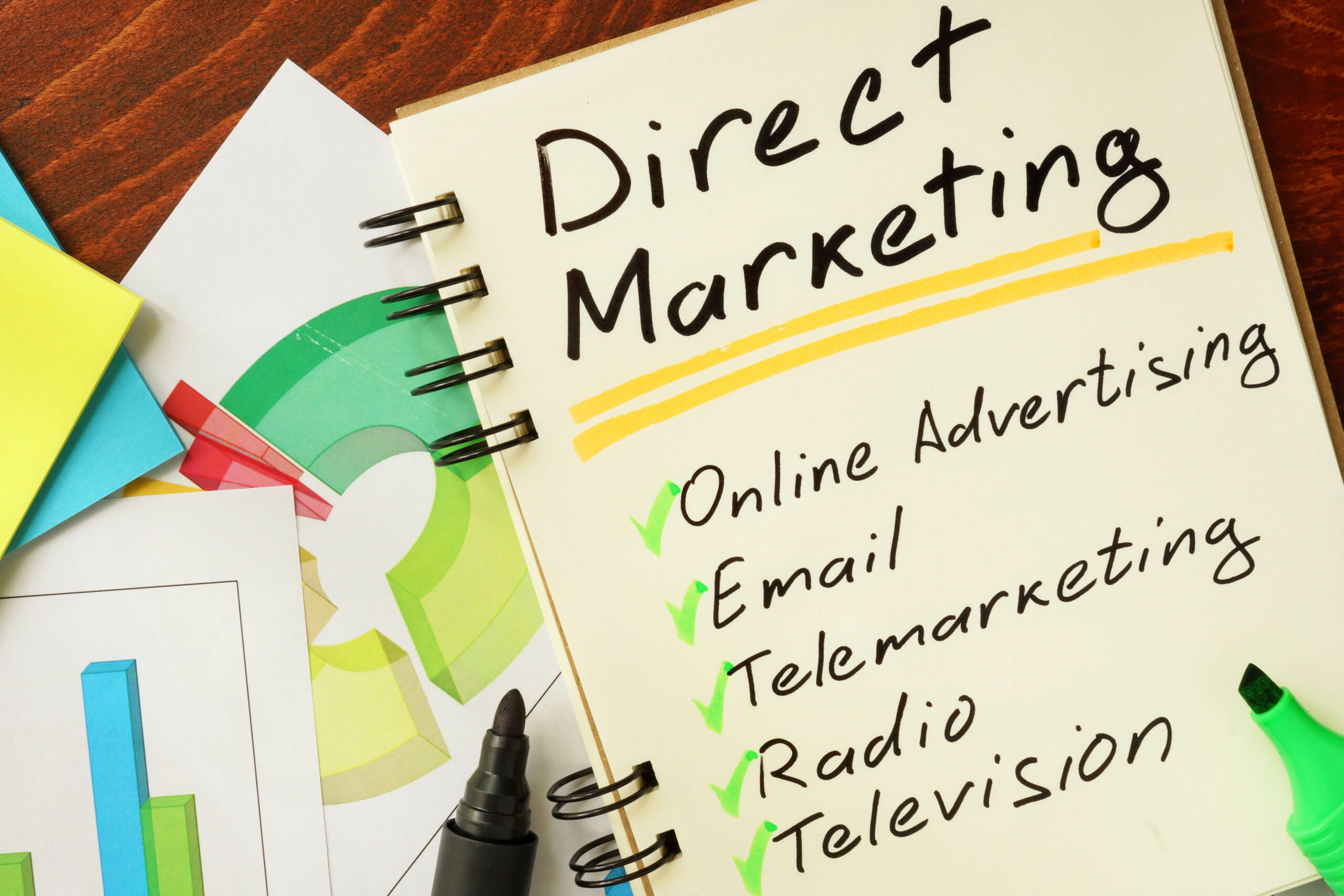
Introduction: Understanding Direct Marketing
Direct marketing is one of the oldest yet most effective forms of advertising. Unlike broad mass media ads, it focuses on communicating directly with individual consumers to encourage immediate action—whether that’s buying a product, signing up for a newsletter, or responding to a message.
The rise of digital platforms has made direct marketing more personalized, measurable, and scalable than ever before. But its roots go back to traditional mail campaigns, telemarketing, and face-to-face selling.
In this comprehensive guide, we’ll cover:
-
The definition and principles of direct marketing.
-
Its evolution from print to digital.
-
Different types of direct marketing.
-
Benefits and challenges.
-
Best practices for success.
-
Examples of brands using it effectively.
1. What Is Direct Marketing?
Direct marketing is a promotional method where businesses reach out to potential or existing customers directly, bypassing third-party channels. The goal is to elicit a measurable response—a click, a call, a purchase, or a subscription.
Key Characteristics:
-
Personalized communication (tailored to individuals or segments).
-
Call to action (CTA) (clear instruction like “Buy Now,” “Subscribe,” or “Reply”).
-
Measurable results (response rates, ROI, conversions).
-
Direct relationship between brand and consumer.
2. How Direct Marketing Differs from Traditional Advertising
Traditional advertising—TV, radio, print—builds brand awareness but often lacks precise targeting and direct feedback.
Direct marketing, on the other hand:
-
Focuses on specific audiences.
-
Encourages immediate engagement.
-
Provides trackable outcomes.
Example:
-
A billboard saying “Drink Coca-Cola” = traditional advertising.
-
A personalized email offering “Buy 1 Coke, Get 1 Free—valid today only” = direct marketing.
3. The Evolution of Direct Marketing
-
Pre-Digital Era: Catalogs, door-to-door sales, direct mail.
-
Late 20th Century: Telemarketing and infomercials.
-
Digital Era (2000s–present): Email, SMS, social media direct messaging.
-
Modern Day: AI-powered personalization, programmatic advertising, chatbot marketing.
Today, technology allows businesses to scale direct marketing campaigns globally while maintaining personalization.
4. Core Principles of Direct Marketing
Successful direct marketing campaigns follow these principles:
-
Targeted Audience – Know who you’re speaking to.
-
Personalization – Customize offers and messaging.
-
Strong CTA – Encourage immediate action.
-
Two-Way Communication – Allow customers to respond directly.
-
Trackability – Measure every interaction for improvement.
5. Types of Direct Marketing
Direct marketing has many forms, both offline and online:
-
Email Marketing – Newsletters, offers, product updates.
-
Direct Mail – Postcards, flyers, catalogs.
-
Telemarketing – Phone calls for sales or surveys.
-
SMS Marketing – Time-sensitive promotions via text.
-
Social Media Direct Messaging – Personalized outreach on Messenger, WhatsApp, LinkedIn.
-
Face-to-Face Sales – Still used in some industries like real estate and insurance.
6. Advantages of Direct Marketing
a. Measurable Results
Businesses can track open rates, clicks, calls, and ROI.
b. Cost-Effective
Compared to mass media, direct campaigns target specific segments, reducing waste.
c. Personalization
Messages can be tailored to preferences, purchase history, and behavior.
d. Stronger Customer Relationships
One-to-one communication builds trust and loyalty.
e. Flexibility
Campaigns can be quickly adjusted based on performance data.
7. Challenges of Direct Marketing
-
Consumer Resistance: People dislike spammy or intrusive messages.
-
Regulatory Compliance: GDPR, CAN-SPAM, and TCPA limit how data is used.
-
Data Accuracy: Outdated lists reduce campaign effectiveness.
-
High Competition: Consumers are bombarded with emails and ads daily.
8. Best Practices for Direct Marketing
-
Segment Your Audience: Group customers by demographics, behaviors, or interests.
-
Use Personalization Tools: Names, tailored offers, product recommendations.
-
Craft Clear CTAs: Avoid vague language; be direct.
-
Test and Optimize: A/B test subject lines, copy, offers.
-
Stay Compliant: Follow data privacy laws to avoid penalties.
-
Integrate with CRM Systems: Ensure consistent messaging across channels.
9. Case Studies: Direct Marketing in Action
Case 1: Amazon
Amazon uses personalized email marketing to recommend products based on browsing and purchase history. This hyper-personalization drives repeat sales.
Case 2: Domino’s Pizza
Domino’s leverages SMS marketing with time-limited offers like “50% off pizza for 2 hours.” Immediate CTAs boost order volume.
Case 3: Charity Campaigns
Nonprofits use direct mail with personalized letters and QR codes to drive donations.
10. The Future of Direct Marketing
-
AI and Machine Learning will enhance personalization.
-
Chatbots and Voice Assistants will become new direct marketing channels.
-
Augmented Reality (AR) will make direct mail interactive.
-
Data Privacy First: First-party data collection will dominate.
Conclusion
Direct marketing remains one of the most effective strategies to connect with consumers personally and drive measurable results. While mass advertising spreads awareness, direct marketing is about action and relationships.
By applying principles of targeting, personalization, and tracking, businesses can build meaningful connections and maximize ROI.
- Arts
- Business
- Computers
- Giochi
- Health
- Home
- Kids and Teens
- Money
- News
- Personal Development
- Recreation
- Regional
- Reference
- Science
- Shopping
- Society
- Sports
- Бизнес
- Деньги
- Дом
- Досуг
- Здоровье
- Игры
- Искусство
- Источники информации
- Компьютеры
- Личное развитие
- Наука
- Новости и СМИ
- Общество
- Покупки
- Спорт
- Страны и регионы
- World

 English
 Russian
 French
 Spanish
 Portuguese
 Deutsch
 Turkish
 Dutch
Dutch
 Arabic
 Romaian
 Portuguese (Brazil)
 Greek
Greek
