
What Is the Difference Between Marketing and Sales?
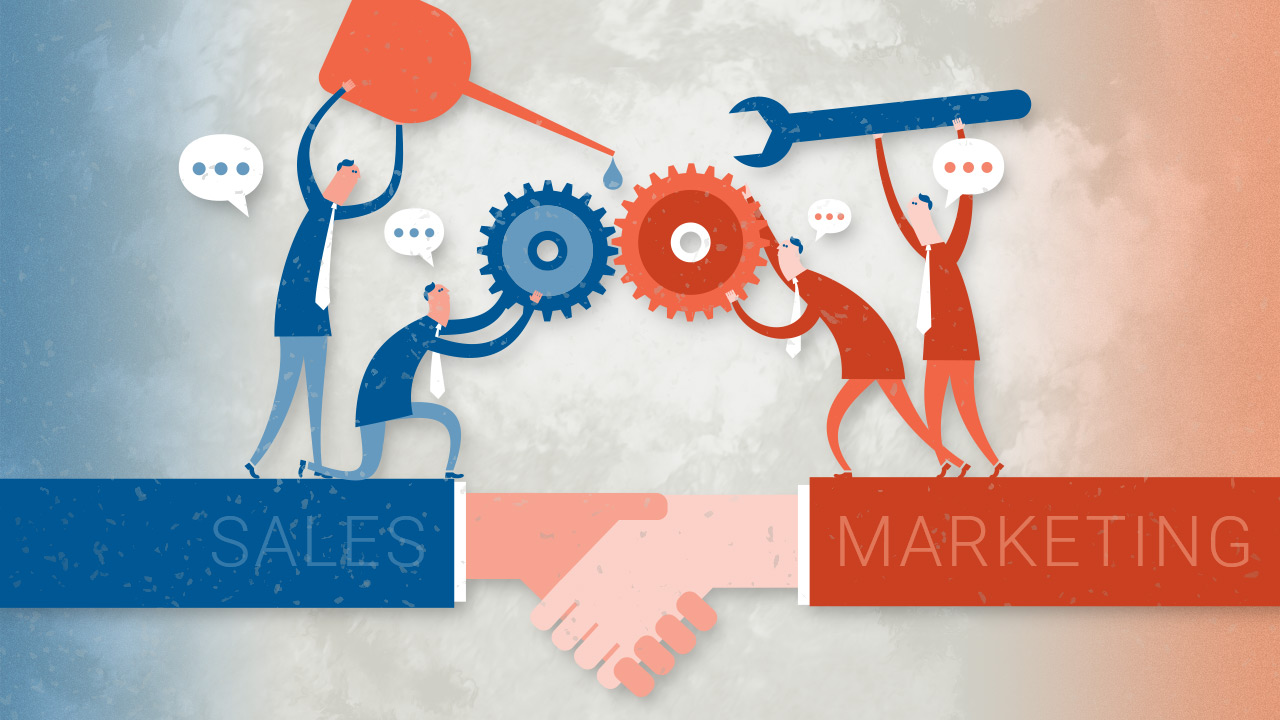
Marketing and sales are closely related, and people often mix them up — but they are not the same thing. They work together, but they play different roles in helping a business grow.
Think of it like this:
Marketing brings people to the door.
Sales gets them to walk through it.
This article breaks everything down in a simple, beginner-friendly way and shows exactly how marketing and sales work, how they differ, and why businesses need both.
1. What Is Marketing? (Simple Definition)
Marketing = getting people interested in your product.
Marketing includes:
-
creating awareness
-
building trust
-
educating people
-
attracting attention
-
showing your value
Marketing’s job is to make sure people know who you are, what you offer, and why it matters.
Examples of Marketing
-
Instagram posts
-
TikTok videos
-
YouTube tutorials
-
Websites and blogs
-
Advertisements
-
Flyers
-
Emails
-
Branding (logo, colors, style)
-
SEO (Google ranking)
Marketing is everything that happens before the sales conversation.
The Goal of Marketing
Not to sell.
But to:
-
create demand
-
attract potential customers
-
warm people up
-
prepare them for the sale
Marketing makes selling easier.
2. What Is Sales? (Simple Definition)
Sales = turning interest into a purchase.
Sales includes:
-
conversations
-
presentations
-
discovery questions
-
pitching
-
handling objections
-
closing deals
-
follow-ups
Sales is about talking to a specific person, understanding what they need, and helping them decide to buy.
Examples of Sales
-
cold calling
-
DMs
-
Zoom calls
-
in-person conversations
-
texting leads
-
follow-up messages
-
closing a sale
-
giving a quote
Sales is one-on-one (usually), while marketing is one-to-many.
3. The Core Difference Between Marketing & Sales
Here’s the simplest comparison:
| Marketing | Sales |
|---|---|
| Reaches many people | Talks to individuals |
| Creates awareness | Converts awareness into decisions |
| Builds interest | Closes deals |
| Longer-term | Shorter-term |
| Helps customers understand you | Helps them commit to buying |
| One-to-many communication | One-to-one communication |
| Pulls people in | Pushes deals forward |
| Uses content & brand | Uses conversations & questions |
Marketing warms people up.
Sales finishes the job.
Both are essential.
4. Real-Life Example (Easy to Understand)
Imagine you’re helping a friend start a tutoring business.
Marketing would be:
-
posting study tips on TikTok
-
designing a simple flyer
-
putting up posters at school
-
posting on Instagram
-
making a website
-
sharing testimonials
These activities attract students and parents who might need tutoring.
Sales would be:
-
messaging interested people
-
asking what subjects they struggle with
-
explaining how the tutoring works
-
sharing prices
-
setting up schedules
-
closing the deal
Marketing gets the leads.
Sales closes the leads.
5. Why Businesses Need Both
Some businesses only focus on marketing — and get attention but no sales.
Some businesses only focus on sales — and run out of leads.
To grow consistently, they need:
-
Marketing → steady flow of new people
-
Sales → conversion of that attention into revenue
Marketing is the engine.
Sales is the driver.
You can’t move forward without both.
6. How Marketing Helps Sales
Good marketing:
-
makes customers trust you
-
educates them before the call
-
answers basic questions
-
makes you look credible
-
attracts people who already want what you sell
This reduces:
-
objections
-
resistance
-
confusion
-
rejection
Marketing makes the sales process smoother and faster.
7. How Sales Helps Marketing
Great sales calls reveal:
-
customer problems
-
customer language
-
objections
-
pain points
-
motivations
This feedback helps you improve your marketing content.
Example:
If many people say “I’m not sure if tutoring will fit my schedule,”
your marketing should include posts like:
“How to fit tutoring into a busy school week (even if you have sports or homework).”
Sales teaches marketing what to focus on.
8. Marketing = Attraction. Sales = Conversion.
Imagine fishing.
Marketing = putting food in the water.
It attracts fish and gets them interested.
Sales = using the fishing rod.
It brings the fish in.
Without food, no fish come.
Without a rod, you can’t catch any.
Same with business.
9. Marketing Methods vs. Sales Methods
Marketing Methods
-
content creation
-
SEO
-
YouTube
-
paid ads
-
email newsletters
-
influencer marketing
-
branding
-
social media storytelling
Sales Methods
-
SPIN Selling
-
Challenger Sale
-
BANT
-
Solution Selling
-
Cold calling
-
Closing techniques
-
Objection handling
-
Discovery questions
Two different skill sets — both needed.
10. What Beginners Usually Get Wrong
Mistake #1: Thinking they need only one
You need both marketing AND sales.
Mistake #2: Trying to sell too early
People don’t buy if they don’t know you.
Mistake #3: Creating content with no call to action
Great marketing should point people toward sales.
Mistake #4: Talking too much about the product
Marketing should talk about the customer, not the product.
Mistake #5: Not tracking leads
If you don’t know who to follow up with, both marketing and sales fail.
11. Which Should You Learn First?
If you're just starting, the order should be:
1. Sales (so you know how to convert leads)
Because marketing becomes:
-
easier
-
more effective
-
faster to monetize
when you already know how to close people.
2. Marketing (so you can scale your reach)
Once you can close the leads you have, marketing helps you get more.
12. How Marketing and Sales Work Together (Full Example)
You sell online fitness coaching.
Marketing Activities:
-
TikTok videos showing quick workouts
-
Instagram stories of client progress
-
A PDF “Beginner Home Workout Guide”
-
A website with pricing and info
-
A YouTube channel with tutorials
Thousands see your content.
Some become followers.
A few message you.
Sales Activities:
-
DM leads
-
ask what their goals are
-
explain how your program works
-
handle objections like price or time
-
close the sale
-
onboard the client
This is the marketing → sales pipeline in action.
13. Why Understanding the Difference Makes You Better at Both
Once you clearly understand the line between marketing and sales, you:
-
know what to focus on
-
stop wasting time
-
attract better leads
-
close more deals
-
build a stronger brand
-
make more money
-
communicate more clearly
It gives structure to your business.
14. Final Summary
Marketing = attracting attention, building trust, educating people.
Sales = talking to prospects, solving problems, closing deals.
Marketing warms them up.
Sales brings them in.
Together, they create a complete system for growing a business — predictable, scalable, and powerful.
- Arts
- Business
- Computers
- Jeux
- Health
- Domicile
- Kids and Teens
- Argent
- News
- Personal Development
- Recreation
- Regional
- Reference
- Science
- Shopping
- Society
- Sports
- Бизнес
- Деньги
- Дом
- Досуг
- Здоровье
- Игры
- Искусство
- Источники информации
- Компьютеры
- Личное развитие
- Наука
- Новости и СМИ
- Общество
- Покупки
- Спорт
- Страны и регионы
- World

 English
 Russian
 Spanish
 Portuguese
 Deutsch
 Turkish
 Dutch
Dutch
 Italiano
 Arabic
 Romaian
 Portuguese (Brazil)
 Greek
Greek