
What Is Lead Generation in Sales?
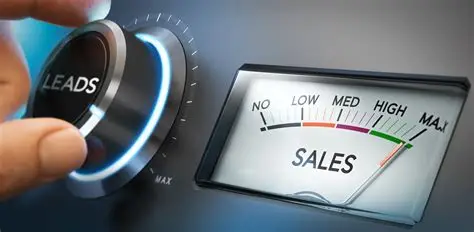
Lead generation is the starting point of all sales. Without leads, there are no conversations. Without conversations, there are no deals. And without deals, there is no revenue. Yet despite its importance, lead generation is often misunderstood or oversimplified.
Some people think lead generation is just “getting emails.” Others think it’s only ads or cold calls. In reality, lead generation is a structured, ongoing system for attracting and identifying potential buyers.
This article explains lead generation from the ground up — what it is, why it matters, how it works in modern sales, and how it connects to funnels, qualification, and closing.
1. What Is Lead Generation? (Simple Definition)
Lead generation is the process of identifying, attracting, and capturing people who may be interested in your product or service.
In simple terms:
Lead generation is how you find people to sell to.
A lead is not a guaranteed customer. It’s a person or business that has shown some level of interest or relevance.
2. Why Lead Generation Matters in Sales
Sales fails without leads.
No matter how good you are at:
-
pitching
-
closing
-
negotiating
you cannot sell to people who don’t exist in your pipeline.
Strong lead generation:
-
keeps the pipeline full
-
reduces desperation
-
increases confidence
-
improves deal quality
-
makes revenue predictable
Weak lead generation creates pressure and inconsistency.
3. Lead Generation vs Selling (Important Difference)
These two are often confused.
Lead Generation
-
attracts potential buyers
-
starts conversations
-
fills the pipeline
Selling
-
qualifies leads
-
presents solutions
-
closes deals
Lead generation creates opportunities.
Sales converts opportunities into revenue.
You need both.
4. Where Lead Generation Fits in the Sales Funnel
Lead generation happens at the top of the funnel.
Typical Flow
Lead generation
↓
Lead capture
↓
Qualification
↓
Sales conversation
↓
Close
If the top of the funnel is weak, everything below it suffers.
5. What Counts as a Lead?
A lead is someone who takes a meaningful action.
Examples:
-
fills out a form
-
replies to an email
-
books a call
-
requests information
-
downloads a resource
A random website visitor is not a lead until they engage.
6. Types of Leads in Sales
Not all leads are equal.
6.1 Cold Leads
-
no prior relationship
-
little awareness
-
low trust
Examples:
-
cold email lists
-
cold calls
6.2 Warm Leads
-
some awareness
-
some interest
Examples:
-
referrals
-
content subscribers
6.3 Hot Leads
-
high intent
-
actively considering solutions
Examples:
-
demo requests
-
pricing inquiries
Lead generation should aim to create more warm and hot leads over time.
7. Lead Generation in B2B vs B2C
7.1 B2B Lead Generation
Characteristics:
-
longer sales cycles
-
multiple decision-makers
-
logic-driven decisions
Common methods:
-
LinkedIn outreach
-
email campaigns
-
webinars
-
whitepapers
7.2 B2C Lead Generation
Characteristics:
-
shorter cycles
-
emotion-driven decisions
-
individual buyers
Common methods:
-
ads
-
social media
-
landing pages
-
promotions
Same principle — different execution.
8. Inbound vs Outbound Lead Generation (Overview)
There are two main categories.
8.1 Inbound Lead Generation
People come to you.
Examples:
-
content marketing
-
SEO
-
social media
-
referrals
8.2 Outbound Lead Generation
You go to them.
Examples:
-
cold calls
-
cold emails
-
direct messages
-
ads
Most successful businesses use both.
9. The Goal of Lead Generation (It’s Not Volume)
Many people chase lead volume.
That’s a mistake.
The real goal is:
-
relevant leads
-
qualified leads
-
conversations with the right people
100 low-quality leads are worse than 10 high-quality ones.
10. What Makes a Lead “Good”?
A good lead:
-
fits your ideal customer profile (ICP)
-
has a real problem
-
has interest or intent
-
can realistically buy
Lead generation should be aligned with who you want as a customer.
11. Lead Generation and Ideal Customer Profiles (ICP)
You can’t generate good leads without an ICP.
Your ICP defines:
-
who you target
-
where you find them
-
what message attracts them
Without an ICP:
-
messaging is weak
-
leads are random
-
conversion rates drop
Lead generation begins with clarity.
12. Common Lead Generation Channels
12.1 Online Channels
-
websites
-
search engines
-
social platforms
-
email
12.2 Offline Channels
-
events
-
networking
-
referrals
-
partnerships
Both still work when used correctly.
13. Lead Capture: Turning Interest Into Leads
Attraction alone is not enough.
You need a lead capture mechanism.
Examples:
-
forms
-
booking links
-
email signups
-
chat tools
If people can’t contact you easily, leads are lost.
14. Lead Generation and Trust
People don’t give contact information unless they trust you.
Trust is built through:
-
clear messaging
-
value
-
professionalism
-
consistency
High-trust brands generate leads more easily.
15. Lead Generation Metrics That Matter
You should track:
-
leads generated
-
cost per lead
-
conversion rates
-
source quality
Data tells you:
-
what’s working
-
what’s wasting time
16. Lead Generation Is a Process, Not a Campaign
Many people run one campaign and stop.
Strong lead generation is:
-
ongoing
-
repeatable
-
systemized
Consistency beats occasional effort.
17. Common Lead Generation Mistakes
❌ chasing everyone
❌ unclear targeting
❌ weak messaging
❌ no follow-up
❌ relying on one channel
Most problems come from lack of structure.
18. Lead Generation and Sales Alignment
Lead generation fails when:
-
marketing attracts the wrong people
-
sales rejects leads
-
definitions are unclear
Strong alignment means:
-
shared ICP
-
shared definitions
-
shared goals
19. How Lead Generation Supports Long-Term Growth
Good lead generation:
-
stabilizes revenue
-
reduces pressure
-
supports scaling
-
improves forecasting
It’s not just about today’s sales — it’s about tomorrow’s pipeline.
20. Lead Generation Does NOT Replace Sales Skills
Leads don’t close themselves.
Lead generation:
-
creates opportunity
Sales:
-
converts opportunity into revenue
Both must be strong.
21. Simple Example of Lead Generation in Action
A business:
-
posts helpful content
-
attracts visitors
-
offers a free resource
-
captures emails
-
follows up
-
books calls
-
closes deals
That’s lead generation working as intended.
22. Final Takeaway
Lead generation in sales is about creating opportunities with the right people.
When done correctly:
-
sales becomes calmer
-
conversations improve
-
results become predictable
Without lead generation, sales is reactive.
With it, sales becomes intentional.
Lead generation isn’t about getting attention — it’s about starting the right conversations.
- Arts
- Business
- Computers
- Παιχνίδια
- Health
- Κεντρική Σελίδα
- Kids and Teens
- Money
- News
- Personal Development
- Recreation
- Regional
- Reference
- Science
- Shopping
- Society
- Sports
- Бизнес
- Деньги
- Дом
- Досуг
- Здоровье
- Игры
- Искусство
- Источники информации
- Компьютеры
- Личное развитие
- Наука
- Новости и СМИ
- Общество
- Покупки
- Спорт
- Страны и регионы
- World

 English
 Russian
 French
 Spanish
 Portuguese
 Deutsch
 Turkish
 Dutch
Dutch
 Italiano
 Arabic
 Romaian
 Portuguese (Brazil)
