
How Does Inbound Lead Generation Work?
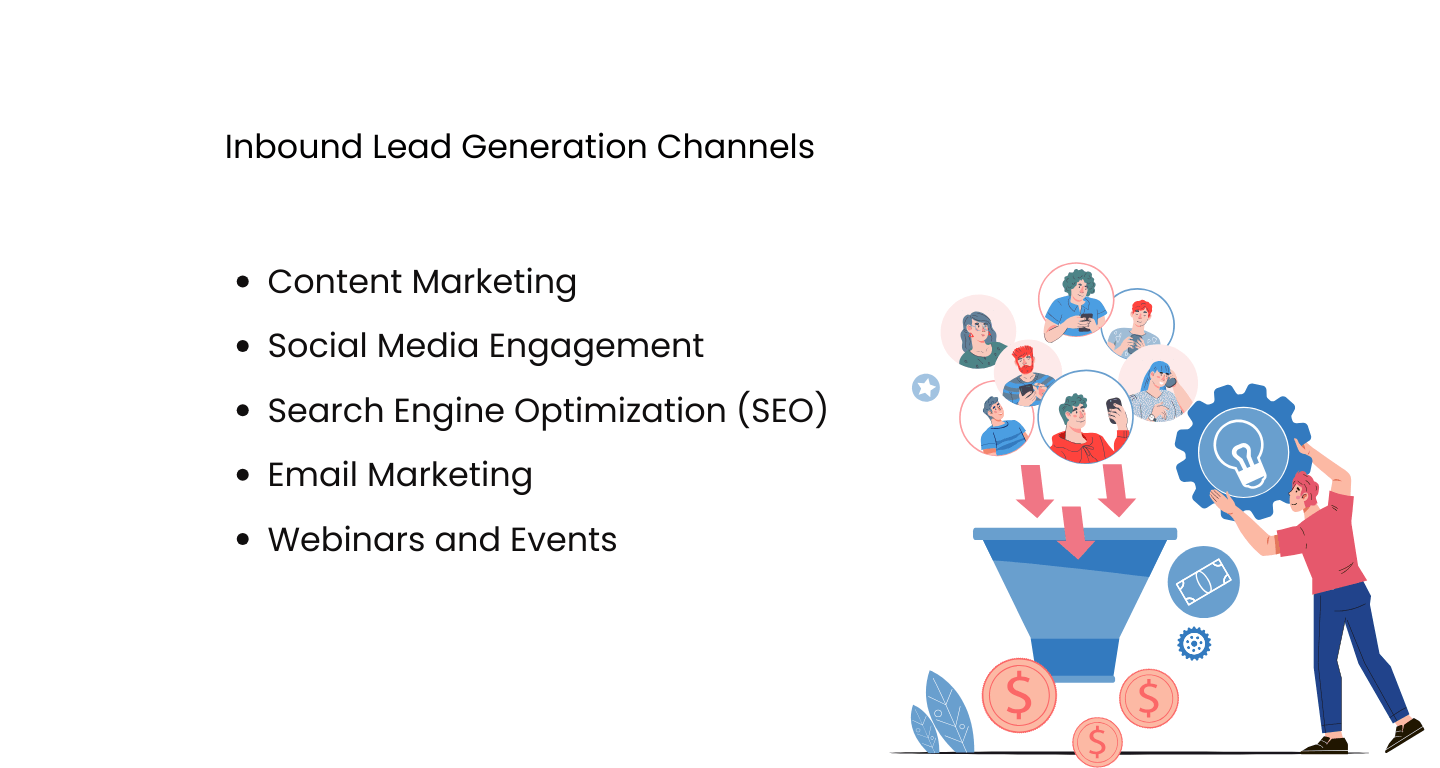
Inbound lead generation is one of the most powerful — and misunderstood — concepts in modern sales and marketing. Many people assume inbound simply means “posting content” or “waiting for leads to arrive.” In reality, inbound lead generation is a structured system designed to attract the right people, earn their trust, and guide them into sales conversations naturally.
When done correctly, inbound lead generation:
-
lowers sales pressure
-
improves lead quality
-
shortens sales conversations
-
builds long-term demand
This article explains exactly how inbound lead generation works, step by step, including content marketing, digital funnels, nurturing, and conversion.
1. What Is Inbound Lead Generation? (Simple Definition)
Inbound lead generation is the process of attracting potential customers to your business by providing value first, rather than reaching out to them directly.
In simple terms:
Inbound lead generation makes people come to you when they are ready.
Instead of interrupting prospects, inbound earns attention.
2. Inbound vs Outbound Lead Generation (Quick Comparison)
Inbound
-
buyer initiates contact
-
trust is pre-built
-
lower resistance
-
slower to start
Outbound
-
seller initiates contact
-
faster results
-
higher resistance
-
requires persistence
Strong sales systems use both, but inbound creates leverage over time.
3. Why Inbound Lead Generation Works So Well
Inbound works because buyer behavior has changed.
Modern buyers:
-
research before talking to sales
-
compare options online
-
want education, not pressure
Inbound aligns with how people already buy.
4. The Core Components of Inbound Lead Generation
Inbound lead generation has four essential components:
-
Attraction
-
Engagement
-
Capture
-
Nurture
If one is missing, inbound fails.
5. Attraction: Getting the Right People’s Attention
Attraction means visibility with relevance.
5.1 Content Marketing
Content is the engine of inbound.
Examples:
-
blog posts
-
videos
-
podcasts
-
social media
Effective content:
-
solves real problems
-
answers buyer questions
-
demonstrates expertise
Content should educate first, sell second.
5.2 Search Engine Optimization (SEO)
SEO places your content in front of people actively searching.
Benefits:
-
high-intent traffic
-
consistent lead flow
-
long-term returns
Inbound SEO content works best when focused on specific questions and problems.
5.3 Social Media Distribution
Social media amplifies content reach.
Purpose:
-
build familiarity
-
start conversations
-
increase trust
Consistency matters more than frequency.
6. Engagement: Building Trust and Interest
Attraction gets attention. Engagement keeps it.
Engagement happens when prospects:
-
read multiple pieces of content
-
watch videos
-
comment or reply
-
revisit your site
Engagement signals growing interest.
7. Lead Capture: Turning Visitors Into Leads
Inbound requires a clear way to capture interest.
7.1 Lead Magnets
Lead magnets offer value in exchange for contact details.
Examples:
-
checklists
-
templates
-
free tools
-
email courses
Good lead magnets:
-
solve one clear problem
-
match buyer intent
-
feel immediately useful
7.2 Forms and Landing Pages
Landing pages focus attention on one action.
Key elements:
-
clear headline
-
simple form
-
strong value explanation
Less friction increases conversion.
8. Nurturing: The Heart of Inbound Lead Generation
Most inbound leads are not ready immediately.
Nurturing bridges the gap.
8.1 Email Nurture Sequences
Email keeps you top of mind.
Nurture emails:
-
educate
-
share insights
-
build trust
-
guide next steps
The goal is relevance, not volume.
8.2 Content-Based Nurturing
Content continues after capture.
Examples:
-
follow-up articles
-
videos
-
case studies
Nurturing warms leads naturally.
9. The Inbound Sales Funnel Explained
Inbound funnels guide prospects step by step.
Typical inbound funnel:
Content → Lead magnet → Email nurture → Call or demo → Sale
Each step moves the buyer closer to readiness.
10. Inbound Lead Generation in B2B
B2B inbound focuses on education.
Examples:
-
thought leadership
-
whitepapers
-
webinars
-
case studies
Trust and authority drive B2B inbound success.
11. Inbound Lead Generation in B2C
B2C inbound focuses on emotion and clarity.
Examples:
-
social content
-
video reviews
-
free trials
-
promotions
Ease and simplicity matter most.
12. Measuring Inbound Lead Generation Performance
Key inbound metrics:
-
traffic growth
-
conversion rates
-
cost per lead
-
lead-to-customer rate
Inbound improves when data guides decisions.
13. How Long Inbound Lead Generation Takes
Inbound is a long-term play.
-
early results: weeks
-
consistent flow: months
-
compounding results: long-term
Patience is required — but results compound.
14. Common Inbound Lead Generation Mistakes
❌ creating content without strategy
❌ targeting everyone
❌ no lead capture
❌ weak follow-up
❌ expecting instant results
Inbound rewards consistency and clarity.
15. Inbound Lead Generation and Sales Alignment
Inbound works best when sales and marketing align.
Sales provides:
-
common objections
-
buyer questions
-
feedback on lead quality
Marketing uses this to improve content.
16. Inbound vs Paid Lead Generation
Inbound:
-
builds assets
-
lowers long-term cost
-
increases trust
Paid:
-
scales faster
-
stops when budget stops
The strongest systems use both.
17. How Inbound Reduces Sales Pressure
Inbound leads:
-
already trust you
-
already understand the problem
-
require less convincing
Sales becomes more consultative.
18. A Simple Inbound Lead Generation Example
A buyer:
-
searches a question
-
finds your article
-
downloads a guide
-
receives helpful emails
-
books a call
No chasing. No pressure.
19. Is Inbound Lead Generation Worth It?
Yes — when:
-
audience research is clear
-
content is consistent
-
follow-up is structured
Inbound is slow to start but hard to stop once built.
20. Final Takeaway
Inbound lead generation works by earning attention, building trust, and guiding buyers at their pace.
It’s not passive.
It’s not luck.
It’s a system.
When done correctly, inbound turns your knowledge into a long-term lead engine that works even when you’re not actively selling.
- Arts
- Business
- Computers
- Games
- Health
- Home
- Kids and Teens
- Money
- News
- Personal Development
- Recreation
- Regional
- Reference
- Science
- Shopping
- Society
- Sports
- Бизнес
- Деньги
- Дом
- Досуг
- Здоровье
- Игры
- Искусство
- Источники информации
- Компьютеры
- Личное развитие
- Наука
- Новости и СМИ
- Общество
- Покупки
- Спорт
- Страны и регионы
- World

 Russian
 French
 Spanish
 Portuguese
 Deutsch
 Turkish
 Dutch
Dutch
 Italiano
 Arabic
 Romaian
 Portuguese (Brazil)
 Greek
Greek