
What Is Advertising?
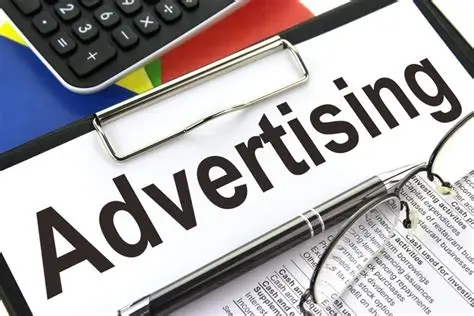
Advertising is everywhere — on websites, social media, billboards, TV, search engines, podcasts, and mobile apps. Despite how common it is, many people still struggle to clearly explain what advertising actually is, how it works, and how it differs from related concepts like marketing or sales.
This article provides a complete, foundational explanation of advertising: its definition, purpose, core components, history, how it works in practice, and why it remains one of the most powerful business tools in the modern economy.
1. What Is Advertising? (Simple Definition)
Advertising is a paid form of communication used to promote a product, service, brand, idea, or message to a specific audience through various media channels.
In simple terms:
-
Advertising = paying to get attention
-
The goal = influence awareness, perception, or action
Advertising is intentional, strategic, and measurable.
2. Why Advertising Exists
Advertising exists because:
-
businesses need customers
-
customers need information
-
markets are competitive
-
attention is limited
Without advertising, most consumers would never discover new products, brands, or solutions to their problems.
3. Core Purpose of Advertising
Advertising typically aims to:
-
increase brand awareness
-
generate demand
-
drive traffic or leads
-
influence buying decisions
-
reinforce brand positioning
Not all ads aim to sell immediately — many aim to shape perception.
4. Advertising vs Promotion vs Marketing
These terms are often confused.
-
Advertising = paid messages to an audience
-
Promotion = short-term incentives (discounts, offers)
-
Marketing = the broader strategy that includes advertising, branding, pricing, product, and distribution
Advertising is a subset of marketing, not the other way around.
5. Key Elements of Advertising
Every advertisement includes five core elements:
5.1 The Advertiser
The business, brand, or individual paying for the ad.
5.2 The Message
What the ad communicates:
-
value proposition
-
offer
-
emotion
-
promise
5.3 The Audience
Who the ad is intended for:
-
demographics
-
interests
-
behaviors
-
intent
5.4 The Medium (Channel)
Where the ad appears:
-
digital platforms
-
print media
-
broadcast
-
outdoor spaces
5.5 The Objective
What the advertiser wants:
-
awareness
-
clicks
-
leads
-
sales
-
installs
Without a clear objective, advertising becomes wasteful.
6. How Advertising Works (High-Level Overview)
Advertising works through a structured process:
-
Identify a target audience
-
Define a goal
-
Craft a message
-
Choose a channel
-
Pay for placement
-
Measure results
Each step affects performance.
7. Paid Attention vs Organic Attention
Advertising is about paid attention, as opposed to organic reach.
-
Paid attention = ads
-
Organic attention = SEO, word-of-mouth, social shares
Most businesses use both.
8. A Brief History of Advertising
Advertising has evolved dramatically:
-
Ancient civilizations used signs and town criers
-
Newspapers introduced print ads
-
Radio and TV enabled mass advertising
-
The internet enabled targeted advertising
-
AI and data now power precision advertising
The medium changes, but the purpose remains the same.
9. Traditional Advertising Explained
Traditional advertising includes:
-
newspapers
-
magazines
-
TV commercials
-
radio ads
-
billboards
These channels focus on reach and repetition rather than precise targeting.
10. Digital Advertising Explained
Digital advertising includes:
-
search ads
-
display ads
-
social media ads
-
video ads
-
native ads
Digital advertising is:
-
measurable
-
targetable
-
scalable
This has reshaped the advertising industry.
11. Push vs Pull Advertising
Push Advertising
-
interrupts attention
-
examples: TV ads, display banners
Pull Advertising
-
appears when users are searching
-
examples: Google search ads
Modern advertising blends both.
12. Brand Advertising vs Performance Advertising
Brand Advertising
-
focuses on awareness and perception
-
long-term impact
-
difficult to measure directly
Performance Advertising
-
focuses on measurable actions
-
clicks, leads, sales
-
data-driven
Most companies use a mix.
13. Advertising and Consumer Psychology
Advertising works by influencing:
-
attention
-
emotion
-
memory
-
perception
-
decision-making
Effective ads tap into:
-
fear
-
desire
-
status
-
convenience
-
trust
Understanding psychology separates great ads from ignored ones.
14. Advertising Objectives (Common Types)
Common objectives include:
-
brand awareness
-
traffic generation
-
lead generation
-
sales conversion
-
app installs
-
retargeting
Clear objectives guide creative and budget decisions.
15. Targeting in Advertising
Modern advertising allows targeting by:
-
age, gender, location
-
interests and behaviors
-
search intent
-
previous interactions (retargeting)
Better targeting = higher efficiency.
16. Advertising Creative: What Makes an Ad Work
Strong advertising creative includes:
-
a clear headline
-
a compelling visual
-
a strong value proposition
-
a clear call to action (CTA)
Confusing ads fail regardless of budget.
17. Advertising Budgets and Bidding
Advertisers pay through:
-
CPC (cost per click)
-
CPM (cost per thousand impressions)
-
CPA (cost per action)
Ad platforms use auctions to determine placement.
18. Measuring Advertising Effectiveness
Key advertising metrics include:
-
impressions
-
CTR (click-through rate)
-
CPC
-
conversions
-
ROI
Advertising without measurement is gambling.
19. Advertising Ethics and Responsibility
Ethical advertising avoids:
-
false claims
-
manipulation
-
harmful stereotypes
-
deceptive practices
Regulations and platform policies enforce standards.
20. Advertising in the Modern Economy
Advertising:
-
funds free content
-
supports media and creators
-
enables business competition
-
fuels innovation
Many free services exist because of advertising revenue.
21. Advertising for Small Businesses
Advertising helps small businesses:
-
compete with larger brands
-
reach local customers
-
test offers quickly
Digital platforms have lowered entry barriers.
22. Advertising for Large Enterprises
Large companies use advertising to:
-
maintain brand dominance
-
launch products
-
defend market share
Scale amplifies impact.
23. Advertising and Trust
Poor advertising erodes trust.
Good advertising builds:
-
familiarity
-
credibility
-
authority
Trust compounds over time.
24. Common Misconceptions About Advertising
❌ Advertising guarantees sales
❌ More budget fixes bad ads
❌ Advertising is only for big companies
❌ Advertising is manipulation
In reality, advertising amplifies what already exists.
25. Advertising vs Sales
Advertising:
-
creates interest
-
attracts attention
Sales:
-
converts interest into revenue
Advertising opens doors — sales closes them.
26. Advertising vs Public Relations (PR)
Advertising is:
-
paid
-
controlled
PR is:
-
earned
-
less controllable
Both influence perception differently.
27. The Role of Advertising Agencies
Agencies help with:
-
strategy
-
creative development
-
media buying
-
optimization
Not all businesses need agencies, but expertise matters.
28. Advertising in the Age of AI
AI is transforming advertising through:
-
automated targeting
-
predictive bidding
-
creative testing
-
personalization
Efficiency is increasing — competition too.
29. The Future of Advertising
Trends shaping the future:
-
privacy-focused targeting
-
contextual advertising
-
creator-driven ads
-
AI-generated creative
Advertising will adapt, not disappear.
30. Final Takeaway
Advertising is paid communication designed to influence attention and behavior.
At its best, advertising:
-
informs
-
persuades
-
connects solutions to problems
At its worst, it wastes money and attention.
Understanding what advertising is — and how it works — is essential for anyone involved in business, marketing, content creation, or media.
Advertising doesn’t replace value —
it amplifies it.
- Arts
- Business
- Computers
- Spiele
- Health
- Startseite
- Kids and Teens
- Geld
- News
- Personal Development
- Recreation
- Regional
- Reference
- Science
- Shopping
- Society
- Sports
- Бизнес
- Деньги
- Дом
- Досуг
- Здоровье
- Игры
- Искусство
- Источники информации
- Компьютеры
- Личное развитие
- Наука
- Новости и СМИ
- Общество
- Покупки
- Спорт
- Страны и регионы
- World

 English
 Russian
 French
 Spanish
 Portuguese
 Turkish
 Dutch
Dutch
 Italiano
 Arabic
 Romaian
 Portuguese (Brazil)
 Greek
Greek