
How Do I Manage Cash Flow in a Small Business?
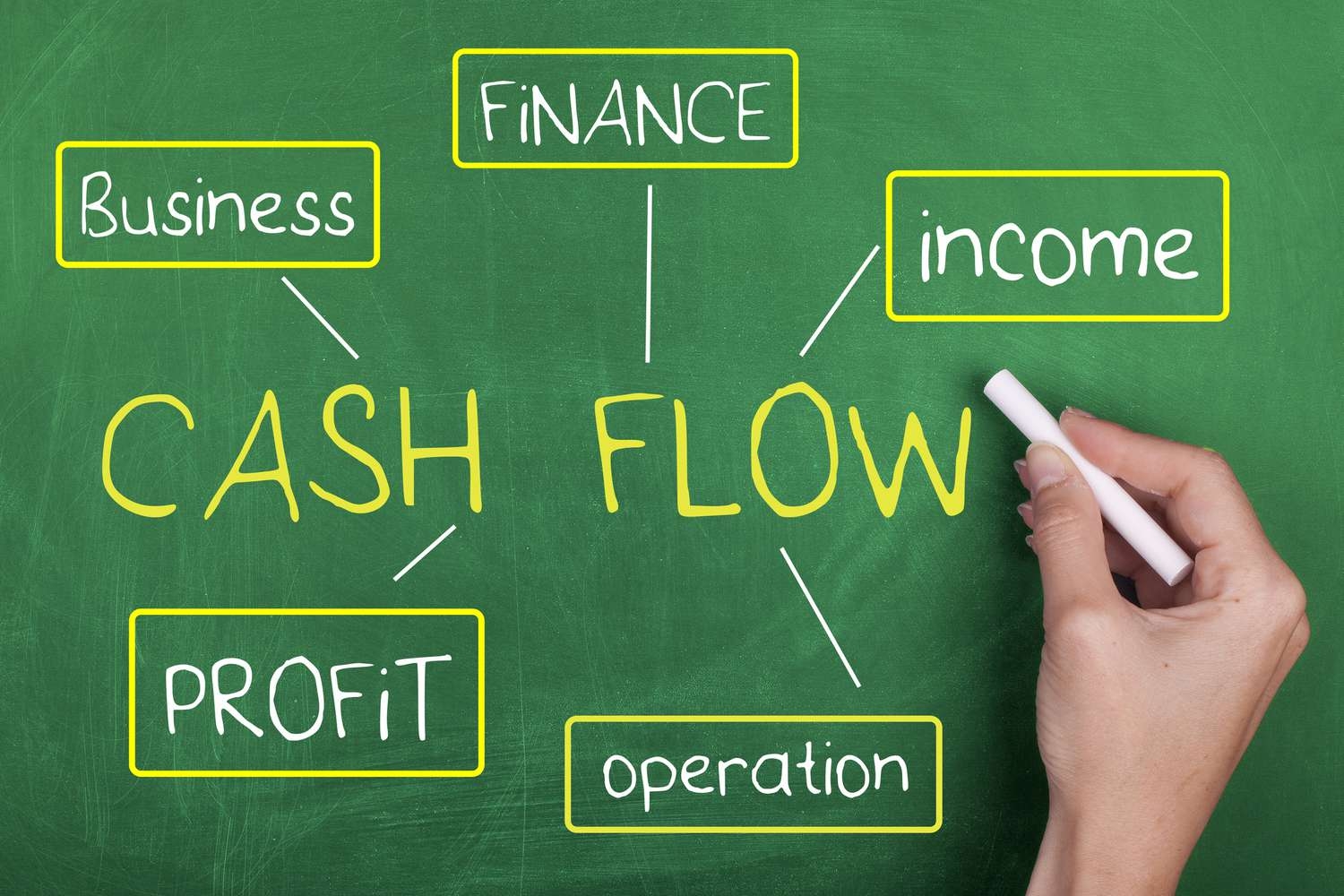
How Do I Manage Cash Flow in a Small Business?
Budgeting and Forecasting Explained
Managing cash flow is one of the biggest challenges for small business owners—and one of the most important skills to master. Many small businesses fail not because their products or services are bad, but because they run out of cash at the wrong time. Good cash flow management, supported by smart budgeting and accurate forecasting, helps ensure your business can pay its bills, survive slow periods, and grow sustainably.
This article explains what cash flow management means for small businesses, why budgeting and forecasting matter, and how you can use both to stay financially healthy.
Understanding Cash Flow in a Small Business
Cash flow in a small business is the movement of money coming in from customers and going out to cover expenses such as rent, inventory, wages, utilities, taxes, and loan repayments.
-
Cash inflow: sales revenue, customer payments, loans, or owner investments
-
Cash outflow: operating costs, supplier payments, salaries, equipment purchases
Managing cash flow means making sure you have enough cash available when you need it—not just on paper, but in your bank account.
Why Cash Flow Management Is Critical for Small Businesses
Small businesses often operate with limited financial reserves. This makes cash flow management especially important because:
-
Payments from customers may be delayed
-
Expenses must be paid on time regardless of sales
-
Seasonal or irregular income can cause shortages
-
Unexpected costs can arise without warning
Without a clear system for managing cash flow, even a profitable business can struggle to survive.
The Role of Budgeting in Cash Flow Management
What Is a Business Budget?
A budget is a financial plan that outlines expected income and expenses over a specific period—usually monthly, quarterly, or yearly. It acts as a roadmap for how your money should be used.
For cash flow management, a budget helps you:
-
Control spending
-
Plan for regular and irregular expenses
-
Avoid cash shortages
-
Make informed financial decisions
Creating a Cash Flow-Focused Budget
To manage cash flow effectively, your budget should focus on timing, not just totals.
Key steps include:
-
List all sources of income
Estimate how much cash you expect to receive and when you expect to receive it. -
Identify fixed expenses
These include rent, salaries, insurance, and subscriptions—costs that stay relatively stable. -
Estimate variable expenses
Costs such as inventory, utilities, and marketing may change month to month. -
Include irregular and seasonal costs
Taxes, maintenance, and annual fees can disrupt cash flow if not planned for. -
Build a buffer
Always leave room for unexpected expenses or delays in customer payments.
A realistic budget helps you avoid spending money you don’t actually have yet.
The Importance of Cash Flow Forecasting
What Is Cash Flow Forecasting?
Cash flow forecasting is the process of predicting how much cash will come in and go out of your business in the future. Unlike a budget, which sets limits, a forecast estimates what is likely to happen.
Forecasts can be short-term (weekly or monthly) or long-term (six months to a year).
Why Forecasting Matters
Cash flow forecasting helps small business owners:
-
Spot cash shortages before they happen
-
Plan for slow periods
-
Decide when to invest or save
-
Reduce financial surprises
When you know what’s coming, you can take action early instead of reacting too late.
How to Create a Cash Flow Forecast
Step 1: Start With Current Cash
Begin by noting how much cash your business currently has available.
Step 2: Estimate Incoming Cash
Include:
-
Expected customer payments
-
Regular sales income
-
Any planned loans or investments
Be realistic—overestimating income is a common mistake.
Step 3: Estimate Outgoing Cash
Account for:
-
Fixed expenses
-
Variable costs
-
Loan repayments
-
Taxes and one-time expenses
Always consider when payments are due, not just how much they are.
Step 4: Calculate Net Cash Flow
For each period:
-
Cash inflow − cash outflow = net cash flow
This shows whether your cash balance will increase or decrease.
Step 5: Review and Update Regularly
Cash flow forecasts should be updated frequently as:
-
Sales change
-
Costs rise or fall
-
New information becomes available
Forecasting is most useful when it’s ongoing.
Practical Strategies to Improve Cash Flow
1. Speed Up Cash Inflows
-
Invoice customers promptly
-
Offer early payment discounts
-
Use digital payment options
-
Follow up on overdue invoices
Faster payments improve cash availability.
2. Control Cash Outflows
-
Negotiate better terms with suppliers
-
Avoid unnecessary spending
-
Delay non-essential purchases
-
Review subscriptions and recurring costs
Every dollar saved helps stabilize cash flow.
3. Maintain a Cash Reserve
A cash buffer helps cover:
-
Slow sales periods
-
Unexpected repairs
-
Late customer payments
Even a small reserve can reduce stress and risk.
4. Match Expenses to Income Timing
Try to align payment schedules with when cash is received. For example:
-
Pay suppliers after customer payments clear
-
Choose monthly payment plans instead of large upfront costs
This reduces the chance of short-term cash shortages.
Common Cash Flow Mistakes Small Businesses Make
Many small businesses struggle with cash flow due to avoidable mistakes, such as:
-
Relying only on profit figures
-
Ignoring payment delays
-
Expanding too quickly
-
Failing to budget for taxes
-
Not reviewing forecasts regularly
Recognizing these issues early makes them easier to fix.
Budgeting and Forecasting Together
Budgeting and forecasting work best when used together:
-
Budgeting sets spending limits and financial goals
-
Forecasting shows what is likely to happen based on real data
Together, they provide both control and visibility—two essentials for effective cash flow management.
Conclusion
Managing cash flow in a small business is not about complex formulas—it’s about awareness, planning, and discipline. Budgeting helps you control where your money goes, while cash flow forecasting helps you anticipate what’s coming next. When used consistently, these tools reduce financial stress, prevent surprises, and support long-term growth.
Strong cash flow management allows small business owners to focus less on survival and more on building a stable, successful future.
- Arts
- Business
- Computers
- Spellen
- Health
- Home
- Kids and Teens
- Money
- News
- Personal Development
- Recreation
- Regional
- Reference
- Science
- Shopping
- Society
- Sports
- Бизнес
- Деньги
- Дом
- Досуг
- Здоровье
- Игры
- Искусство
- Источники информации
- Компьютеры
- Личное развитие
- Наука
- Новости и СМИ
- Общество
- Покупки
- Спорт
- Страны и регионы
- World

 English
 Russian
 French
 Spanish
 Portuguese
 Deutsch
 Turkish
 Italiano
 Arabic
 Romaian
 Portuguese (Brazil)
 Greek
Greek