
What Is Native Advertising?
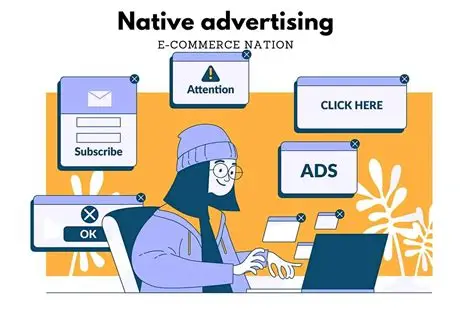
As digital advertising has expanded across websites, social media platforms, and mobile apps, consumers have become increasingly skilled at ignoring traditional ads. Banner blindness, ad blockers, and declining attention spans have made it more difficult for advertisers to capture and hold audience interest. In response to these challenges, a different approach to advertising has grown rapidly in popularity: native advertising.
Native advertising is designed to blend seamlessly into the content and user experience of the platform on which it appears. Rather than interrupting users with obvious promotional messages, native ads match the look, feel, and function of surrounding content. When done well, native advertising feels less intrusive and more relevant, which can lead to higher engagement and better overall performance.
This article explores what native advertising is, how it works, and why it has become an important part of modern marketing strategies. It also examines the different types of native ads, their advantages and limitations, ethical considerations, and how native advertising fits into the broader advertising ecosystem.
What Is Native Advertising?
Native advertising is a form of paid media where advertisements are designed to match the visual style, tone, and format of the platform or content in which they appear. The goal is to create ads that feel like a natural part of the user experience rather than traditional advertisements.
Unlike display ads or pop-ups, native ads do not disrupt the flow of content. Instead, they appear alongside editorial or user-generated content in a way that feels consistent and familiar.
Common examples of native advertising include sponsored articles on news websites, promoted posts on social media feeds, recommended content widgets, and in-feed ads that resemble organic posts.
Key Characteristics of Native Advertising
Native advertising has several defining features that distinguish it from other forms of advertising.
Platform integration
Native ads are designed specifically for the platform they appear on. This includes matching fonts, layouts, imagery, and interaction patterns.
Content-driven
Native advertising often delivers value through informative, entertaining, or educational content rather than direct sales messaging.
Non-disruptive experience
Native ads fit into the user’s browsing experience, making them less intrusive than traditional ad formats.
Clear disclosure
Ethical native advertising includes transparency, clearly labeling sponsored content to distinguish it from editorial material.
How Native Advertising Works
Native advertising works by embedding promotional content within a platform’s existing content structure. Advertisers collaborate with publishers or platforms to create ads that align with editorial standards and audience expectations.
The process typically involves:
-
Identifying the target audience and platform
-
Designing content that matches the platform’s style
-
Including branding and messaging subtly and appropriately
-
Labeling the content as sponsored or promoted
-
Measuring engagement and performance
Native advertising can be distributed through publisher websites, social media platforms, content recommendation networks, and mobile apps.
Types of Native Advertising
Native advertising comes in several formats, each suited to different platforms and objectives.
In-Feed Native Ads
In-feed native ads appear directly within content feeds, such as social media timelines or news article lists. They look similar to organic posts but are labeled as sponsored.
These ads are common on platforms like social media networks and content discovery apps.
Sponsored Content
Sponsored content refers to articles, videos, or multimedia pieces created by or in collaboration with advertisers and published on media websites.
These pieces often provide valuable information or storytelling while subtly promoting a brand or product.
Content Recommendation Widgets
These are native ad units typically found at the bottom or side of articles, labeled as “recommended” or “sponsored content.”
They suggest related or promoted content and blend into the reading experience.
Search and Promoted Listings
Paid search results and promoted product listings are also considered native advertising because they match the format of organic results.
They appear relevant and contextually aligned with user intent.
Goals of Native Advertising
Native advertising serves several strategic goals within a marketing campaign.
One primary goal is engagement. Because native ads blend into content, users are more likely to read, watch, or interact with them.
Another goal is brand storytelling. Native formats allow brands to communicate deeper messages and values through long-form content.
Native advertising also supports brand awareness by reaching audiences in environments they already trust.
In some cases, native advertising can drive consideration and conversion, especially when combined with clear calls to action.
Advantages of Native Advertising
Native advertising offers several benefits for advertisers and publishers alike.
Higher engagement rates
Native ads often outperform traditional display ads in terms of clicks, time spent, and interaction.
Improved user experience
Because native ads are less disruptive, users are less likely to feel annoyed or interrupted.
Brand credibility
When placed on trusted platforms, native advertising can benefit from the credibility of the publisher.
Ad fatigue reduction
Native formats feel fresher and less repetitive than standard ad units.
Native Advertising vs. Traditional Advertising
Native advertising differs from traditional advertising in both form and function.
Traditional ads are clearly separated from content and often interrupt the user experience. Native ads integrate into content and aim to enhance rather than disrupt.
While traditional ads rely heavily on repetition and visibility, native advertising relies on relevance and value.
Both approaches have their place, but native advertising is particularly effective in content-driven digital environments.
The Role of Content in Native Advertising
Content quality is central to the success of native advertising. Poorly written or overly promotional content can damage credibility and reduce trust.
Effective native advertising content:
-
Addresses audience interests or needs
-
Provides useful or entertaining information
-
Maintains a tone consistent with the platform
-
Integrates branding naturally
Strong content helps native ads feel authentic rather than deceptive.
Ethical Considerations and Transparency
One of the most important issues surrounding native advertising is transparency. Because native ads resemble editorial content, there is a risk that audiences may feel misled if sponsorship is not clearly disclosed.
Ethical native advertising requires:
-
Clear labeling such as “Sponsored” or “Promoted”
-
Honest representation of the brand’s involvement
-
Respect for editorial integrity
Maintaining transparency protects consumer trust and supports long-term effectiveness.
Regulations and Guidelines
Advertising regulations often require clear disclosure of sponsored content. Many platforms and publishers have their own policies governing native advertising.
These rules help ensure that audiences can distinguish between advertising and independent content, even when formats are similar.
Advertisers must comply with both legal standards and platform guidelines to avoid penalties and reputational damage.
Measuring Native Advertising Performance
Native advertising performance is measured using metrics aligned with engagement and content consumption.
Common metrics include:
-
Click-through rate
-
Time spent on content
-
Scroll depth
-
Social shares and comments
-
Brand lift studies
The right metrics depend on campaign objectives, whether awareness, engagement, or conversion.
Challenges of Native Advertising
Despite its advantages, native advertising presents several challenges.
One challenge is content creation. Producing high-quality native content requires time, expertise, and collaboration.
Another challenge is scalability. Native ads often need to be customized for different platforms, which can increase costs.
There is also the risk of audience skepticism if disclosures are unclear or content feels deceptive.
Native Advertising in Social Media
Social media platforms are among the most common environments for native advertising. Promoted posts, sponsored stories, and branded videos blend naturally into user feeds.
Social native ads benefit from platform targeting capabilities and interactive features such as likes, comments, and shares.
However, maintaining authenticity and relevance is critical to avoid negative reactions.
Native Advertising and the Customer Journey
Native advertising is particularly effective in the awareness and consideration stages of the customer journey.
By providing valuable content, native ads introduce brands and educate audiences without aggressive selling.
When combined with other advertising formats, native advertising can support conversion and retention as well.
The Future of Native Advertising
As consumers demand better online experiences, native advertising is likely to continue growing.
Advances in personalization, artificial intelligence, and content recommendation technologies will shape how native ads are delivered and optimized.
At the same time, transparency and ethical standards will become increasingly important.
Conclusion
Native advertising represents a shift toward more user-centered advertising experiences. By blending seamlessly into content environments, native ads reduce disruption and increase engagement.
When executed responsibly, native advertising benefits both brands and audiences by delivering relevant, valuable content in trusted spaces.
However, success depends on quality, transparency, and respect for the user. As digital advertising continues to evolve, native advertising will remain a key strategy for brands seeking meaningful connections with consumers.
- Arts
- Business
- Computers
- Games
- Health
- Home
- Kids and Teens
- Money
- News
- Personal Development
- Recreation
- Regional
- Reference
- Science
- Shopping
- Society
- Sports
- Бизнес
- Деньги
- Дом
- Досуг
- Здоровье
- Игры
- Искусство
- Источники информации
- Компьютеры
- Личное развитие
- Наука
- Новости и СМИ
- Общество
- Покупки
- Спорт
- Страны и регионы
- World

 Russian
 French
 Spanish
 Portuguese
 Deutsch
 Turkish
 Dutch
Dutch
 Italiano
 Arabic
 Romaian
 Portuguese (Brazil)
 Greek
Greek