
What Is Programmatic Advertising?
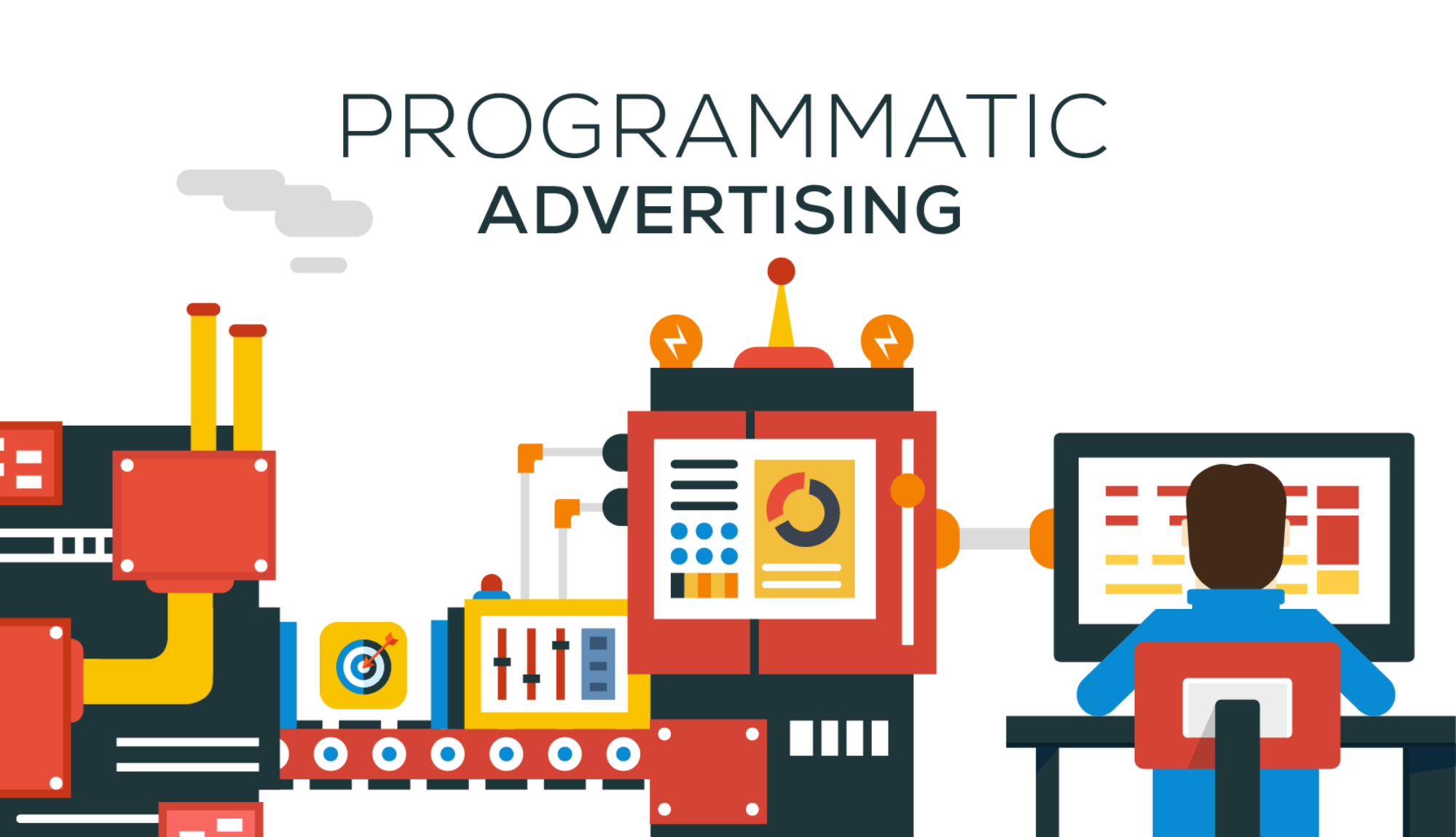
The digital advertising ecosystem has grown increasingly complex over the past two decades. As websites, apps, and platforms multiplied, advertisers faced the challenge of managing large volumes of ad placements across many channels. Buying and selling digital ads manually became inefficient, time-consuming, and difficult to scale. To solve this problem, the advertising industry developed a technology-driven solution known as programmatic advertising.
Programmatic advertising revolutionized how ads are bought, sold, and delivered online. Instead of relying on manual negotiations and fixed placements, programmatic advertising uses automated systems and algorithms to purchase ad space in real time. This approach allows advertisers to reach specific audiences with greater precision while optimizing costs and performance.
This article explores what programmatic advertising is, how it works, and why it has become a dominant force in digital marketing. It provides a detailed explanation of automation and real-time bidding, the key technologies behind programmatic advertising, as well as its benefits, challenges, and future role in the advertising industry.
What Is Programmatic Advertising?
Programmatic advertising is the automated buying and selling of digital advertising inventory using software, data, and algorithms. It replaces traditional manual processes—such as negotiations between advertisers and publishers—with automated systems that make decisions in milliseconds.
At its core, programmatic advertising uses technology to match advertisers with the right audience at the right time, on the right platform, and at the right price. Instead of purchasing ad space directly from publishers, advertisers bid on individual impressions based on audience data and campaign goals.
Programmatic advertising is commonly used across display advertising, video ads, mobile ads, native ads, and connected television. It has become one of the most widely used methods for digital media buying.
Why Programmatic Advertising Exists
The rise of programmatic advertising was driven by several industry challenges.
First, the scale of digital media made manual buying inefficient. Advertisers needed a way to manage thousands of ad placements across websites and platforms.
Second, advertisers wanted more precise targeting. Traditional media buying focused on where ads appeared, not who saw them. Programmatic advertising shifted the focus to audiences rather than placements.
Third, measurement and optimization became essential. Advertisers wanted real-time performance data to adjust campaigns quickly and improve results.
Programmatic advertising addressed these needs by combining automation, data, and analytics into a single system.
Key Components of Programmatic Advertising
Programmatic advertising relies on several interconnected technologies that work together to deliver ads.
Demand-Side Platforms (DSPs)
DSPs are used by advertisers to buy ad inventory programmatically. They allow advertisers to set targeting criteria, budgets, bids, and campaign objectives.
Supply-Side Platforms (SSPs)
SSPs are used by publishers to sell their ad inventory. They help publishers manage available ad space and maximize revenue by connecting to multiple buyers.
Ad Exchanges
Ad exchanges act as digital marketplaces where ad impressions are bought and sold through auctions.
Data Management Platforms (DMPs)
DMPs collect and organize audience data from multiple sources. This data helps advertisers target specific users more effectively.
These components work together to enable automated, data-driven advertising decisions.
Automation in Programmatic Advertising
Automation is the foundation of programmatic advertising. It allows advertisers and publishers to manage campaigns at scale with minimal manual intervention.
How Automation Works
Automation uses algorithms and predefined rules to make decisions about:
-
Which ad to show
-
Which user should see it
-
How much to bid for an impression
-
When and where the ad should appear
These decisions happen in milliseconds as a user loads a webpage or app.
Automation reduces human error, improves efficiency, and allows campaigns to respond dynamically to performance data.
Benefits of Automation
Automation offers several advantages in digital advertising.
It saves time by eliminating manual negotiations and insertion orders. It improves accuracy by relying on data-driven decisions rather than assumptions. It also enables real-time optimization, allowing campaigns to adjust based on performance signals.
For publishers, automation helps maximize revenue by ensuring inventory is sold at competitive prices.
What Is Real-Time Bidding?
Real-time bidding (RTB) is a core mechanism of programmatic advertising. It refers to the auction process that occurs every time an ad impression becomes available.
RTB allows advertisers to bid on individual ad impressions rather than buying bulk placements. This ensures that ads are shown only to users who meet specific targeting criteria.
How Real-Time Bidding Works
The RTB process happens almost instantly and follows several steps:
-
A user visits a website or app
-
The publisher sends an ad request to an ad exchange
-
Advertisers evaluate the impression based on user data
-
Advertisers place bids through their DSPs
-
The highest bid wins the auction
-
The winning ad is displayed to the user
This entire process takes place in milliseconds before the page finishes loading.
Why Real-Time Bidding Matters
Real-time bidding improves efficiency by ensuring advertisers pay only for impressions that meet their targeting requirements.
It also increases relevance for users, as ads are selected based on their interests, behavior, or context.
For publishers, RTB increases competition for inventory, often leading to higher revenue.
Types of Programmatic Advertising
Programmatic advertising includes several buying methods beyond open auctions.
Open Auction
In open auctions, ad inventory is available to all advertisers. Bidding occurs in real time, and the highest bidder wins.
This method offers scale and flexibility but less control over where ads appear.
Private Marketplace (PMP)
Private marketplaces are invitation-only auctions where selected advertisers can bid on premium inventory.
PMPs provide greater transparency, brand safety, and control.
Programmatic Direct
Programmatic direct involves automated buying of guaranteed inventory at fixed prices.
This method combines the efficiency of automation with the predictability of traditional direct deals.
Targeting in Programmatic Advertising
Targeting is a major advantage of programmatic advertising. Advertisers can define who sees their ads using detailed data signals.
Common targeting options include:
-
Demographic targeting
-
Interest-based targeting
-
Behavioral targeting
-
Geographic targeting
-
Contextual targeting
Advanced targeting improves relevance and reduces wasted impressions.
Measurement and Optimization
Programmatic advertising provides detailed performance data in real time.
Advertisers can track metrics such as impressions, clicks, conversions, and cost efficiency. Machine learning algorithms continuously optimize bids and placements to improve outcomes.
This level of measurement allows advertisers to refine campaigns with precision.
Benefits of Programmatic Advertising
Programmatic advertising offers numerous benefits for advertisers and publishers.
It increases efficiency by automating complex processes. It improves targeting accuracy and relevance. It enables real-time optimization and performance tracking.
Programmatic advertising also supports scalability, allowing campaigns to reach large audiences without sacrificing precision.
Challenges and Limitations
Despite its advantages, programmatic advertising presents challenges.
One major challenge is transparency. Advertisers may not always know exactly where ads appear.
Brand safety is another concern, as ads may appear next to inappropriate content without proper controls.
Ad fraud, such as fake impressions or bots, also poses risks.
Addressing these challenges requires careful monitoring, trusted partners, and strong safeguards.
Privacy and Ethical Considerations
Programmatic advertising relies heavily on data, raising privacy concerns.
Regulations require responsible data use, consent, and transparency. Advertisers must balance personalization with respect for user privacy.
Ethical practices are essential for maintaining trust and long-term effectiveness.
Programmatic Advertising vs. Traditional Media Buying
Traditional media buying focuses on placements and fixed pricing. Programmatic advertising focuses on audiences and dynamic pricing.
Programmatic offers greater flexibility, efficiency, and data-driven decision-making.
However, traditional buying still plays a role in certain contexts, especially for premium placements.
Programmatic Advertising Across Channels
Programmatic advertising is used across multiple digital channels, including display, video, mobile, native, and connected television.
Cross-channel programmatic strategies allow advertisers to deliver consistent messaging across platforms.
The Future of Programmatic Advertising
The future of programmatic advertising will be shaped by advancements in artificial intelligence, data privacy, and contextual targeting.
As third-party data becomes more restricted, advertisers will rely more on first-party data and privacy-friendly solutions.
Automation and real-time decision-making will continue to evolve, making programmatic advertising even more sophisticated.
Conclusion
Programmatic advertising has transformed digital advertising by introducing automation and real-time bidding into the buying and selling process. It allows advertisers to reach the right audiences efficiently while enabling publishers to maximize revenue.
Through automation, programmatic advertising simplifies complex workflows and enables real-time optimization. Through real-time bidding, it ensures that each ad impression is valued and delivered strategically.
While challenges related to transparency, fraud, and privacy remain, programmatic advertising continues to be a cornerstone of modern digital marketing. As technology evolves, its role will only grow in importance.
- Arts
- Business
- Computers
- Giochi
- Health
- Home
- Kids and Teens
- Money
- News
- Personal Development
- Recreation
- Regional
- Reference
- Science
- Shopping
- Society
- Sports
- Бизнес
- Деньги
- Дом
- Досуг
- Здоровье
- Игры
- Искусство
- Источники информации
- Компьютеры
- Личное развитие
- Наука
- Новости и СМИ
- Общество
- Покупки
- Спорт
- Страны и регионы
- World

 English
 Russian
 French
 Spanish
 Portuguese
 Deutsch
 Turkish
 Dutch
Dutch
 Arabic
 Romaian
 Portuguese (Brazil)
 Greek
Greek