
Who Is Considered the Father of Modern Advertising?
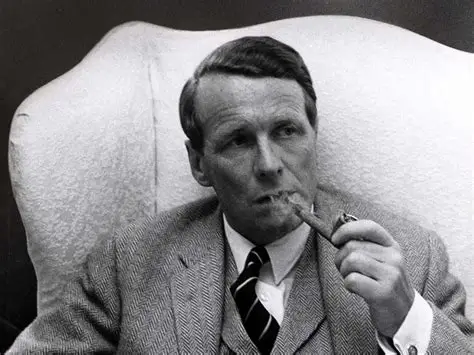
The title “father of modern advertising” is one of the most debated distinctions in the history of marketing. Advertising did not emerge from the work of a single individual; instead, it evolved over decades through experimentation, cultural shifts, technological change, and creative breakthroughs. Yet, when historians, educators, and practitioners use this phrase, one name appears more frequently than any other: David Ogilvy.
David Ogilvy is widely considered the father of modern advertising because he professionalized the industry, elevated creative standards, and introduced principles that continue to guide advertising today. His influence extended across research, copywriting, brand building, agency culture, and ethical responsibility. While others laid foundations before him, Ogilvy synthesized those ideas into a coherent, scalable, and enduring model of advertising.
This article examines why David Ogilvy is most often given this title, explores alternative perspectives, and explains what modern advertising truly means. Understanding this distinction offers insight into how advertising became the structured, creative, and strategic discipline it is today.
What Does “Modern Advertising” Mean?
Before identifying its “father,” it is important to define what distinguishes modern advertising from earlier forms.
Modern advertising is characterized by:
-
Research-based strategy
-
Respect for consumer intelligence
-
Brand building over time
-
Consistent creative standards
-
Professional agency structures
-
Ethical considerations in persuasion
Earlier advertising often relied on exaggerated claims, repetitive slogans, and direct sales pressure. Modern advertising introduced credibility, storytelling, emotional connection, and long-term brand identity.
The father of modern advertising, therefore, would be someone who helped formalize these principles and embed them into industry practice.
Why David Ogilvy Is Most Often Given the Title
David Ogilvy’s career coincided with the post-war expansion of mass media, global brands, and consumer culture. He did not invent advertising, but he refined it, disciplined it, and elevated it.
Ogilvy combined creativity with research, art with discipline, and persuasion with integrity. His influence was not limited to campaigns; it reshaped how agencies operated and how advertisers thought about consumers.
Several factors explain why Ogilvy is most commonly considered the father of modern advertising.
Ogilvy’s Emphasis on Research
One of Ogilvy’s most defining contributions was his insistence on research as the foundation of advertising. At a time when many creatives relied purely on intuition, Ogilvy argued that understanding consumer behavior was essential.
He believed that advertising should be informed by facts, not guesses. Research helped advertisers:
-
Understand what consumers cared about
-
Identify meaningful product benefits
-
Avoid misleading or ineffective claims
This approach bridged creativity and science, a balance that defines modern advertising.
Respect for the Consumer
Ogilvy famously stated that “the consumer is not a moron; she is your wife.” This belief transformed how advertising spoke to audiences.
Rather than shouting exaggerated claims, Ogilvy advocated for:
-
Clear, honest language
-
Informative copy
-
Intelligent persuasion
This respect helped establish trust between brands and consumers, a core principle of modern advertising.
Brand Building as a Long-Term Strategy
Before Ogilvy, many advertisements focused on short-term sales. Ogilvy argued that advertising should build brands over time by creating consistent identities and associations.
He believed brands had personalities and reputations that needed careful stewardship. This philosophy laid the groundwork for modern brand strategy.
Key elements included:
-
Consistent messaging
-
Visual and tonal coherence
-
Emotional connection
-
Long-term reputation management
This approach remains central to advertising today.
Elevating Copywriting and Creative Standards
Ogilvy placed extraordinary importance on copywriting. He believed words mattered and that clarity sold better than cleverness alone.
He introduced disciplined creative standards, including:
-
Strong headlines
-
Clear benefit statements
-
Logical structure
-
Credibility and proof
Ogilvy also emphasized craftsmanship, pushing creatives to refine their work rather than rely on gimmicks.
Professionalizing the Advertising Agency
Ogilvy didn’t just create advertisements; he built an agency model that influenced the entire industry.
Ogilvy & Mather emphasized:
-
Training and mentorship
-
Clear creative processes
-
Collaboration between strategy and creativity
-
International consistency
His approach helped transform advertising agencies into respected professional institutions.
Ethics and Responsibility in Advertising
Ogilvy believed advertising had a responsibility to society. He discouraged deceptive practices and exaggerated claims, arguing that dishonest advertising damaged both brands and the industry.
This ethical perspective contributed to advertising’s credibility and legitimacy as a profession.
Ogilvy’s Writing and Thought Leadership
Beyond his agency work, Ogilvy’s books and essays shaped how advertising was taught and understood.
His writing:
-
Codified advertising principles
-
Influenced generations of practitioners
-
Made advertising more accessible and respected
Few advertisers have had such lasting influence through both practice and education.
Why Not Claude Hopkins?
Claude Hopkins is often cited as a foundational figure in advertising history. His focus on testing, measurement, and direct response laid important groundwork.
However, Hopkins’ approach emphasized immediate results over brand building and creativity. While influential, his philosophy represents an earlier stage of advertising rather than its modern form.
Hopkins helped invent advertising discipline; Ogilvy expanded it into a holistic system.
Why Not Leo Burnett?
Leo Burnett introduced emotional storytelling, brand characters, and human warmth into advertising. His work profoundly influenced creative expression.
However, Burnett focused primarily on creative philosophy, whereas Ogilvy combined creativity with research, structure, and global scalability.
Burnett shaped advertising’s soul; Ogilvy shaped its system.
Why Not Bill Bernbach?
Bill Bernbach revolutionized advertising creativity and agency culture. His emphasis on originality and emotional truth transformed creative standards.
Yet Bernbach resisted formal rules and systems, believing creativity should remain unconstrained. Ogilvy, by contrast, created principles that could be taught, scaled, and institutionalized.
Bernbach changed how ads felt; Ogilvy changed how advertising worked.
Ogilvy’s Global Influence
Ogilvy’s ideas spread worldwide, influencing agencies and brands across cultures. His emphasis on consistency and research allowed advertising to scale internationally.
This global impact reinforces his status as the father of modern advertising, as modern advertising operates on a global scale.
Criticism of the “Father” Label
Some critics argue that calling one person the father of modern advertising oversimplifies history. Advertising evolved through collective effort, and many contributors deserve recognition.
This criticism is valid. However, titles like “father” are symbolic, reflecting disproportionate influence rather than sole invention.
Ogilvy’s synthesis of ideas, systems, and philosophy justifies his symbolic status.
Modern Advertising in the Digital Age
Even in today’s digital-first environment, Ogilvy’s principles remain relevant.
Modern advertising still relies on:
-
Understanding audiences
-
Clear messaging
-
Brand consistency
-
Ethical persuasion
-
Creative discipline
Technology has changed tools, not fundamentals.
Ogilvy’s Enduring Legacy
Ogilvy’s legacy extends beyond his lifetime. His principles are taught in advertising schools, referenced in agencies, and applied across media platforms.
His influence persists because it addresses the human core of advertising: communication, trust, and persuasion.
Conclusion
While many pioneers shaped advertising, David Ogilvy is most often considered the father of modern advertising because he transformed the industry into a disciplined, creative, and ethical profession. He bridged art and science, creativity and strategy, persuasion and respect.
Modern advertising—defined by brand building, research, professionalism, and creativity—bears his imprint at every level. Though advertising continues to evolve, Ogilvy’s ideas remain foundational.
The title is not about exclusivity, but impact. And by that measure, David Ogilvy stands as the most influential figure in the creation of modern advertising.
- Arts
- Business
- Computers
- Jocuri
- Health
- Home
- Kids and Teens
- Money
- News
- Personal Development
- Recreation
- Regional
- Reference
- Science
- Shopping
- Society
- Sports
- Бизнес
- Деньги
- Дом
- Досуг
- Здоровье
- Игры
- Искусство
- Источники информации
- Компьютеры
- Личное развитие
- Наука
- Новости и СМИ
- Общество
- Покупки
- Спорт
- Страны и регионы
- World

 English
 Russian
 French
 Spanish
 Portuguese
 Deutsch
 Turkish
 Dutch
Dutch
 Italiano
 Arabic
 Portuguese (Brazil)
 Greek
Greek