
How Does Business Credit Work?
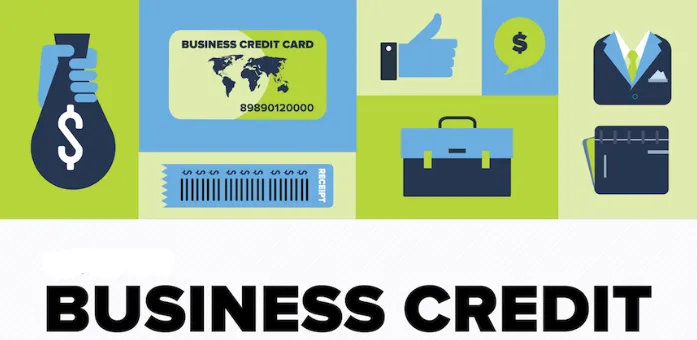
How Does Business Credit Work?
Building Business Credit and Credit Scores
Business credit is one of the most powerful—but least understood—tools available to entrepreneurs. Strong business credit can help you qualify for loans, negotiate better payment terms, secure lower insurance premiums, and protect your personal finances. Yet many business owners either don’t know business credit exists or mistakenly rely entirely on personal credit.
This article explains how business credit works, how business credit scores are calculated, and how to build strong business credit step by step.
What Is Business Credit?
Business credit is a financial profile that reflects a company’s ability to borrow and repay money. Just like personal credit, it tracks how responsibly a borrower uses credit. The difference is that business credit is tied to your company—not you personally (when structured correctly).
Your business credit profile is maintained by business credit bureaus, which collect data from lenders, suppliers, leasing companies, and vendors you work with.
Strong business credit allows a company to:
-
Access funding without relying on the owner’s personal credit
-
Separate personal and business financial risk
-
Improve cash flow through better payment terms
-
Appear more credible to lenders, suppliers, and partners
How Business Credit Differs from Personal Credit
Although business credit and personal credit serve similar purposes, they work differently in several important ways.
1. Separate Identification
Personal credit is tied to your Social Security number. Business credit is tied to your business’s identifying information, such as:
-
Business name
-
Business address
-
Employer Identification Number (EIN)
2. Different Credit Bureaus
Personal credit is tracked by Experian, Equifax, and TransUnion. Business credit is primarily tracked by:
-
Dun & Bradstreet
-
Experian Business
-
Equifax Business
3. Scoring Systems Are Different
Personal credit scores typically range from 300 to 850. Business credit scores usually range from 0 to 100 and focus more on payment behavior than debt levels.
4. Faster Impact
Business credit scores can improve—or decline—much faster than personal credit because fewer accounts are involved and payment history carries more weight.
Business Credit Bureaus Explained
Understanding the major business credit bureaus is essential to building and monitoring your business credit.
Dun & Bradstreet (D&B)
D&B is the most widely recognized business credit bureau. Its primary score is the PAYDEX® score, which measures how promptly a business pays its bills.
To appear in D&B’s system, your business must obtain a D-U-N-S® Number, which is free.
Experian Business
Experian Business tracks trade lines, payment trends, public records, and credit utilization. It also provides risk-based scores that lenders commonly use.
Equifax Business
Equifax Business collects similar data and is often used by banks and commercial lenders when reviewing loan applications.
Each bureau may have different information about your business, which is why it’s important to build credit across multiple vendors and monitor all reports.
What Is a Business Credit Score?
A business credit score is a numerical summary of your company’s creditworthiness. It helps lenders and suppliers decide:
-
Whether to extend credit
-
How much credit to offer
-
What interest rates or payment terms to apply
Unlike personal credit scores, business scores focus heavily on how quickly you pay bills.
Key Business Credit Scores and Ranges
PAYDEX® Score (Dun & Bradstreet)
-
Range: 0–100
-
Score of 80+ is considered good
-
Based almost entirely on payment timeliness
Paying bills early can actually improve your PAYDEX score beyond just “on time.”
Experian Intelliscore Plus
-
Range: 1–100
-
Considers payment history, credit utilization, company size, and industry risk
Equifax Business Credit Risk Score
-
Range: 101–992
-
Predicts likelihood of severe delinquency
Lenders may review one or multiple scores when evaluating your business.
What Factors Affect Business Credit Scores?
Although each bureau uses its own formula, the following factors consistently matter most.
1. Payment History
This is the single most important factor. Late payments can damage business credit quickly, while early payments can boost scores.
2. Credit Utilization
Using too much of your available credit can signal risk. Lower utilization shows better financial management.
3. Length of Credit History
Older, well-managed accounts strengthen your credit profile.
4. Number of Trade Lines
More vendors reporting positive payment history improves credibility.
5. Public Records
Bankruptcies, liens, or judgments can significantly hurt business credit.
How to Build Business Credit Step by Step
Building business credit doesn’t happen automatically. It requires intentional setup and consistent habits.
Step 1: Establish Your Business Properly
Before credit can be built, your business must be legitimate and consistent across records.
-
Register your business legally
-
Obtain an EIN from the IRS
-
Use a real business address (not a P.O. box)
-
Set up a business phone number
-
Open a business bank account
Consistency in business information is critical for credit reporting.
Step 2: Get a D-U-N-S Number
Apply for a D-U-N-S Number from Dun & Bradstreet. This allows D&B to create your business credit file.
Step 3: Open Starter Vendor Accounts
Many businesses begin with vendor credit, also known as trade credit. These are suppliers that extend short-term payment terms, such as Net-30 accounts.
Examples include office supply companies, shipping providers, and business service vendors that report payments to credit bureaus.
Step 4: Pay Bills Early
Paying on time is good. Paying early is better. Early payments help build higher scores, especially with D&B.
Step 5: Add More Credit Types
After establishing vendor credit, businesses can expand to:
-
Business credit cards
-
Equipment financing
-
Store cards
-
Lines of credit
Each positive account strengthens your credit profile.
How Long Does It Take to Build Business Credit?
Basic business credit can be established within a few months, but strong credit usually takes 6–12 months of consistent activity.
Because business credit scores respond quickly, disciplined payment behavior can produce noticeable improvements faster than personal credit.
Common Mistakes That Hurt Business Credit
Many business owners damage their credit unintentionally. Common mistakes include:
-
Paying bills late or inconsistently
-
Using personal credit instead of business credit
-
Not checking business credit reports
-
Working with vendors that don’t report payments
-
Applying for too much credit at once
Avoiding these errors is just as important as building new credit.
Monitoring and Protecting Your Business Credit
Business credit is public information, meaning anyone can view it—including competitors. Regular monitoring helps you:
-
Spot errors or fraudulent accounts
-
Track score changes
-
Understand lender perceptions
Most bureaus offer monitoring services, but even periodic manual reviews are better than ignoring reports entirely.
Why Business Credit Matters Long-Term
Strong business credit is not just about borrowing money. It impacts nearly every aspect of a company’s growth:
-
Easier access to capital
-
Better supplier relationships
-
Improved cash flow
-
Reduced personal financial risk
-
Increased business valuation
For entrepreneurs who plan to scale, sell, or franchise, business credit becomes a strategic asset.
Final Thoughts
Business credit works as a reputation system for your company’s financial behavior. It rewards businesses that pay reliably, manage credit responsibly, and operate transparently.
By setting up your business correctly, using credit intentionally, and paying obligations early, you can build strong business credit that supports long-term growth and stability.
Business credit isn’t built overnight—but with the right strategy, it becomes one of the most valuable tools a business can have.
- Arts
- Business
- Computers
- الألعاب
- Health
- الرئيسية
- Kids and Teens
- مال
- News
- Personal Development
- Recreation
- Regional
- Reference
- Science
- Shopping
- Society
- Sports
- Бизнес
- Деньги
- Дом
- Досуг
- Здоровье
- Игры
- Искусство
- Источники информации
- Компьютеры
- Личное развитие
- Наука
- Новости и СМИ
- Общество
- Покупки
- Спорт
- Страны и регионы
- World

 English
 Russian
 French
 Spanish
 Portuguese
 Deutsch
 Turkish
 Dutch
Dutch
 Italiano
 Romaian
 Portuguese (Brazil)
 Greek
Greek