
How Did Advertising Evolve Through Key Individuals?
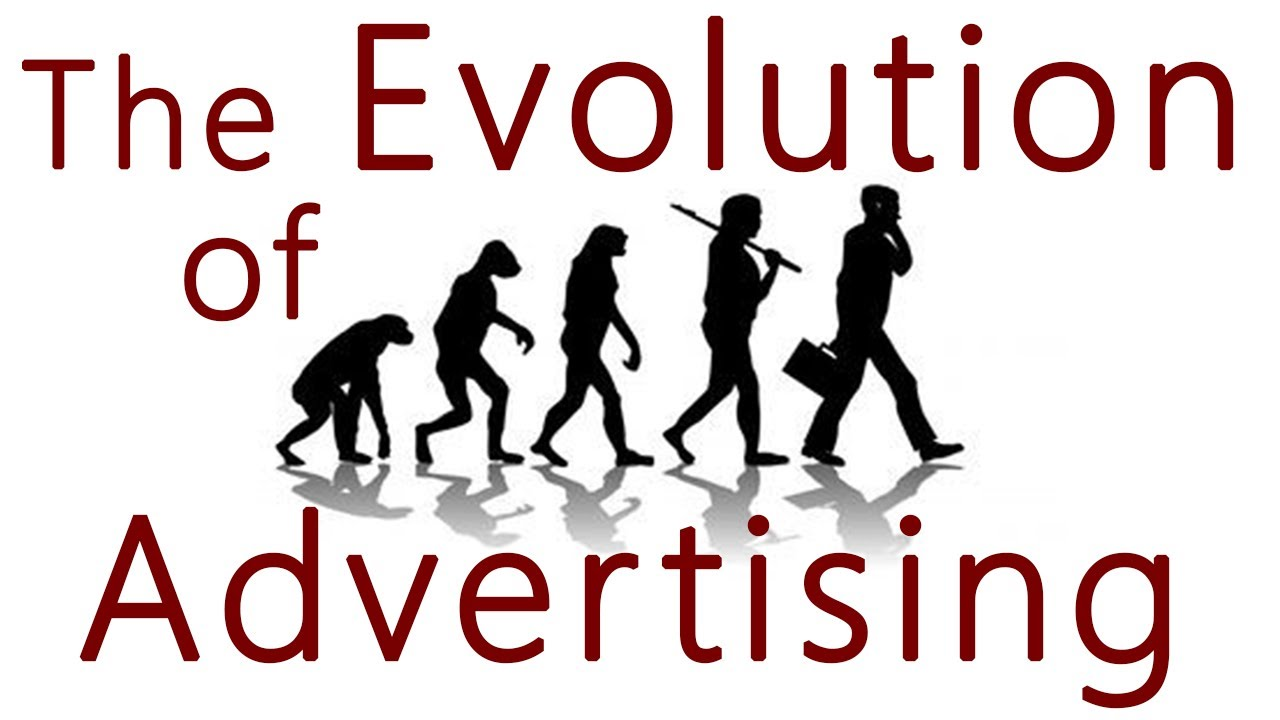
Advertising did not evolve as a smooth, predictable process. Instead, it changed through the ideas, decisions, and influence of key individuals who challenged conventions, introduced new philosophies, and responded to cultural and technological shifts. These individuals did not merely adapt to the advertising industry—they reshaped it.
By examining advertising history through biographies, we gain a clearer understanding of how modern advertising emerged. Each era of advertising reflects the priorities, values, and innovations of the people leading it at the time. From early pioneers who professionalized advertising to creative revolutionaries and modern digital innovators, individual contributions collectively shaped the industry as it exists today.
This article explores how advertising evolved through key individuals, tracing the transformation of advertising practices, values, and structures through biographical influence.
Advertising Before Individual Visionaries
In its earliest form, advertising was largely unstructured. Messages were informational, transactional, and often exaggerated. There were few standards, little research, and minimal concern for long-term brand building.
Advertising’s evolution required individuals who believed persuasion could be systematic, ethical, and creative.
The First Professionalizers of Advertising
The earliest advertising pioneers focused on bringing order and credibility to the industry.
J. Walter Thompson: Structure and Organization
J. Walter Thompson played a foundational role in transforming advertising into a profession. He introduced structured agency departments, standardized processes, and client management systems.
His influence shaped:
-
Account management roles
-
Research integration
-
Global agency networks
Advertising evolved from scattered promotion to organized communication.
The Rise of Scientific Advertising
Claude Hopkins: Measurement and Accountability
Claude Hopkins believed advertising should be tested, measured, and optimized. His emphasis on results changed how advertising effectiveness was evaluated.
Hopkins’ influence led to:
-
Performance-based thinking
-
Testing methodologies
-
Accountability for outcomes
This approach remains central to modern performance marketing.
Branding and Long-Term Thinking
Raymond Rubicam: Research Meets Creativity
Raymond Rubicam bridged creativity and consumer research. He believed understanding the audience was essential to effective communication.
His work helped advertising evolve toward:
-
Consumer insights
-
Brand positioning
-
Long-term strategy
Advertising became more empathetic and deliberate.
The Creative Revolution
One of the most dramatic evolutions in advertising came during the mid-20th century.
Bill Bernbach: Creativity as Strategy
Bill Bernbach rejected formulaic advertising. He believed emotional honesty and creativity were strategic advantages.
His influence introduced:
-
Copywriter–art director collaboration
-
Emotion-driven storytelling
-
Respect for audience intelligence
Advertising shifted from persuasion to connection.
Leo Burnett: Humanity and Symbolism
Leo Burnett emphasized storytelling, symbols, and brand characters. He believed advertising should reflect everyday human experience.
His contributions helped advertising evolve into:
-
Character-driven branding
-
Emotional familiarity
-
Cultural storytelling
Brands became personalities, not just products.
The Age of the Advertising Auteur
David Ogilvy: Discipline and Brand Stewardship
David Ogilvy emphasized consistency, research, and clarity. He helped formalize branding principles and global brand management.
Ogilvy’s influence shaped:
-
Brand voice consistency
-
Research-based creativity
-
Long-term brand equity
Advertising became a disciplined craft.
Strategic Simplification
Rosser Reeves: Focus and Differentiation
Rosser Reeves believed advertising must communicate one clear benefit. His Unique Selling Proposition framework simplified messaging.
This approach influenced:
-
Product differentiation
-
Message clarity
-
Competitive positioning
Advertising evolved toward strategic focus.
Advertising as Cultural Commentary
George Lois: Advertising as Provocation
George Lois pushed advertising into cultural conversation. He believed ads should challenge norms and spark dialogue.
His influence expanded advertising’s role into:
-
Cultural critique
-
Social commentary
-
Bold creative expression
Advertising became part of public discourse.
Leadership and Inclusion
Mary Wells Lawrence: Confidence and Creativity
Mary Wells Lawrence introduced theatrical creativity and confident leadership. She demonstrated that leadership style shapes creative output.
Her influence helped advertising evolve toward:
-
Experiential branding
-
Bold leadership
-
Expanded representation
Advertising leadership became more diverse and expressive.
Advertising and Globalization
As brands expanded globally, advertising leaders adapted strategies to international markets.
Key individuals introduced:
-
Global brand frameworks
-
Local cultural adaptation
-
International agency networks
Advertising became a global discipline.
The Digital Transformation Era
Advertising’s most recent evolution came through digital technology.
Tech-Driven Innovators
Modern advertising leaders integrated data, platforms, and automation into advertising practice.
They reshaped advertising through:
-
Digital media planning
-
Personalization
-
Real-time optimization
Advertising evolved from broadcast to interaction.
Consumer Empowerment and Dialogue
Modern advertising leaders recognized the shift from one-way communication to conversation.
This evolution includes:
-
Social media engagement
-
User-generated content
-
Brand transparency
Advertising became participatory.
Ethical Evolution Through Individual Advocacy
Key individuals pushed for ethical advertising practices.
Their influence helped establish:
-
Truth-in-advertising standards
-
Responsible messaging
-
Consumer protection
Ethics became integral to advertising credibility.
Education and Knowledge Sharing
Advertising evolved as individuals documented their philosophies through books, lectures, and mentorship.
This created:
-
Industry standards
-
Shared frameworks
-
Professional education
Advertising knowledge became cumulative.
Evolution Through Debate and Conflict
Advertising evolved through disagreement as much as agreement.
Conflicting philosophies—science vs. creativity, emotion vs. reason—pushed the industry forward.
Key individuals drove progress by challenging one another.
Advertising as Brand Experience
Modern advertising leaders expanded advertising beyond messaging into experience.
This evolution includes:
-
Customer journey design
-
Integrated touchpoints
-
Experience-driven branding
Advertising became immersive.
Patterns in Advertising Evolution
Across biographies, certain patterns emerge:
-
Innovation follows dissatisfaction
-
Change begins with individuals
-
Technology accelerates ideas
-
Culture shapes messaging
Advertising evolves through people, not just tools.
Why Individual Biographies Matter in Advertising History
Biographies show how:
-
Ideas originate
-
Leadership influences culture
-
Personal values shape industry norms
They humanize industry transformation.
Lessons for Modern Advertisers
Modern professionals can learn that:
-
Advertising evolves through courage
-
Individual thinking matters
-
Adaptation is essential
-
Ethical responsibility grows with influence
History informs future innovation.
Advertising Evolution Is Ongoing
Advertising continues to evolve through new individuals responding to emerging challenges such as AI, privacy, and social change.
Future biographies are being written now.
Conclusion
Advertising evolved through key individuals who dared to rethink persuasion, creativity, and responsibility. From early professionalizers to creative revolutionaries and digital innovators, these individuals transformed advertising from simple promotion into a complex, human-centered discipline.
Their biographies reveal that advertising history is not just about campaigns or technology—it is about people who believed ideas could change behavior, culture, and business. Modern advertising stands as a cumulative result of these individual contributions.
Understanding advertising’s evolution through biographies offers perspective, humility, and inspiration for those shaping its future.
- Arts
- Business
- Computers
- Games
- Health
- Home
- Kids and Teens
- Money
- News
- Personal Development
- Recreation
- Regional
- Reference
- Science
- Shopping
- Society
- Sports
- Бизнес
- Деньги
- Дом
- Досуг
- Здоровье
- Игры
- Искусство
- Источники информации
- Компьютеры
- Личное развитие
- Наука
- Новости и СМИ
- Общество
- Покупки
- Спорт
- Страны и регионы
- World

 Russian
 French
 Spanish
 Portuguese
 Deutsch
 Turkish
 Dutch
Dutch
 Italiano
 Arabic
 Romaian
 Portuguese (Brazil)
 Greek
Greek