
How Do Digital Billboards Work?
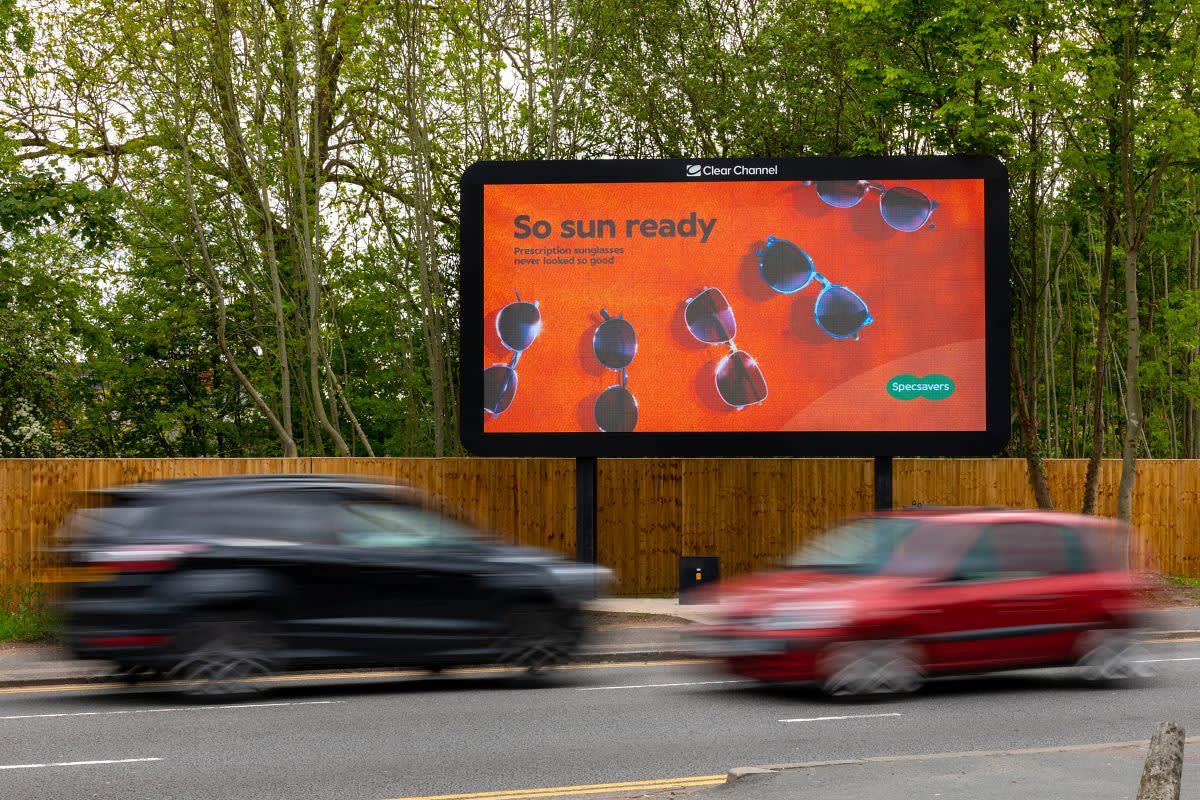
Digital billboards are one of the fastest-growing segments of outdoor advertising. As cities modernize and advertisers demand more flexibility, digital billboards have transformed the traditional static sign into a dynamic, data-driven medium. While they may look simple from the road, digital billboards rely on sophisticated technology, strict regulations, and carefully managed ad delivery systems.
Understanding how digital billboards work is essential for advertisers considering this format. Unlike traditional billboards, digital billboards operate on shared inventory, time-based exposure, and advanced scheduling systems. They offer benefits such as faster creative changes, reduced production costs, and improved targeting—but they also come with limitations and rules that advertisers must understand.
This article explains how digital billboards work from the ground up, including the technology behind them, how ads are displayed and rotated, how pricing is determined, and how modern digital billboards fit into today’s advertising ecosystem.
What Is a Digital Billboard?
A digital billboard is an outdoor advertising display that uses LED (light-emitting diode) technology to show electronic images instead of printed posters. Multiple advertisers share the same billboard, with each ad appearing for a short period in a continuous loop.
Digital billboards are designed to:
-
Deliver high-impact visuals
-
Allow rapid creative changes
-
Maximize revenue from limited physical space
They are a premium form of outdoor advertising.
The Technology Behind Digital Billboards
Digital billboards are powered by LED panels composed of thousands of tiny light diodes. These diodes combine to create full-color images that are visible day and night, even in direct sunlight.
Key components include:
-
LED display panels
-
Media control systems
-
Internet or cellular connectivity
-
Power and brightness management systems
Together, these components enable continuous, reliable operation.
LED Resolution and Viewing Distance
Digital billboard resolution is designed for distance viewing.
Important factors include:
-
Pixel pitch (distance between LEDs)
-
Viewing distance
-
Screen size
Lower resolution is acceptable because viewers are far away, often in moving vehicles.
How Digital Billboard Content Is Managed
Content is controlled remotely using specialized software platforms. Billboard operators upload creative assets, schedule ads, and monitor performance from centralized systems.
These platforms allow operators to:
-
Schedule ads by time and date
-
Rotate advertisers automatically
-
Monitor system health
-
Adjust brightness and compliance settings
Advertisers rarely interact directly with the hardware.
How Ads Are Displayed on Digital Billboards
Digital billboards display ads in a repeating loop.
Typical characteristics:
-
Each ad displays for 6–10 seconds
-
Loops last 60–120 seconds
-
Ads repeat consistently throughout the day
This ensures frequent exposure even though screen time is shared.
Ad Rotation and Slot Allocation
Each advertiser purchases a “slot” within the rotation.
For example:
-
A billboard may display 8 advertisers
-
Each ad appears once per loop
-
Viewers may see the same ad multiple times per day
This model balances reach and inventory efficiency.
How Often People See Digital Billboard Ads
Exposure frequency depends on:
-
Traffic volume
-
Commute patterns
-
Campaign duration
Even short ad displays can generate high frequency due to repeated passes.
Brightness and Visibility Controls
Digital billboards automatically adjust brightness.
They use:
-
Ambient light sensors
-
Time-of-day settings
-
Regulatory limits
This ensures visibility without causing glare or distraction.
Legal and Safety Regulations
Digital billboards are heavily regulated.
Rules often include:
-
No animation or video
-
Static images only
-
Minimum display times
-
Brightness limits
These regulations protect driver safety.
Why Digital Billboards Do Not Use Motion
Most jurisdictions prohibit:
-
Video
-
Flashing
-
Rapid animation
Ads must remain static during each display period to avoid distraction.
How Digital Billboard Pricing Works
Digital billboards are priced differently than static billboards.
Instead of exclusive use, advertisers pay for:
-
A share of screen time
-
A guaranteed number of impressions
-
A specific time period
Pricing reflects flexibility and demand.
Pricing Models Used for Digital Billboards
Common pricing approaches include:
-
Monthly flat rates
-
CPM (cost per thousand impressions)
-
Time-of-day premiums
Prime locations and peak hours cost more.
Factors That Affect Digital Billboard Costs
Costs vary based on:
-
Location
-
Traffic volume
-
Market size
-
Ad rotation density
-
Time of day
Urban locations command the highest prices.
Time-Based Targeting on Digital Billboards
One major advantage of digital billboards is scheduling flexibility.
Advertisers can:
-
Run ads only during rush hour
-
Target weekends or evenings
-
Align messaging with business hours
This improves relevance and efficiency.
Dayparting and Contextual Messaging
Dayparting allows messages to change by time.
Examples include:
-
Breakfast ads in the morning
-
Entertainment ads at night
-
Retail promotions on weekends
Context increases effectiveness.
Weather-Triggered and Event-Based Messaging
Some digital billboards integrate data feeds.
They can respond to:
-
Weather conditions
-
Traffic congestion
-
Local events
This creates timely, relevant messaging.
How Creative Is Delivered to Digital Billboards
Creative assets are uploaded digitally.
Common formats include:
-
JPEG
-
PNG
-
Static image files
Files must meet strict specifications for size, color, and contrast.
Creative Limitations for Digital Billboards
Despite flexibility, limitations exist.
Creative must:
-
Be extremely simple
-
Avoid fine text
-
Use high contrast
Drivers have only seconds to process the message.
Why Digital Billboards Still Require Simple Design
Short display time means:
-
One message per ad
-
Minimal text
-
Strong visuals
Complex messaging fails in this environment.
Updating or Changing Ads Mid-Campaign
Digital billboards allow:
-
Instant creative changes
-
Seasonal updates
-
Message testing
This is a major advantage over static billboards.
Testing and Optimization Opportunities
Advertisers can:
-
Test different headlines
-
Rotate creative variations
-
Adjust schedules based on performance
This introduces a performance mindset to OOH.
Digital Billboards and Programmatic Advertising
Some digital billboards are available programmatically.
This allows:
-
Automated buying
-
Audience-based targeting
-
Real-time bidding
Programmatic OOH bridges offline and online advertising.
Audience Data and Measurement
Digital billboards use data sources such as:
-
Traffic counts
-
Mobile location data
-
Demographic modeling
These estimates inform impression counts.
Measuring Effectiveness of Digital Billboards
Effectiveness is measured through:
-
Impression estimates
-
Brand lift studies
-
Search lift analysis
-
Sales correlation
Measurement is improving but still indirect.
Digital Billboards vs Traditional Billboards
Key differences include:
-
Shared vs exclusive usage
-
Flexibility vs permanence
-
Higher cost vs lower cost
Each serves different campaign goals.
When Digital Billboards Are the Best Choice
Digital billboards work best for:
-
Time-sensitive promotions
-
Events and launches
-
Brands needing frequent updates
They thrive in dynamic environments.
When Digital Billboards Are Not Ideal
They may be less effective when:
-
Long-term brand dominance is the goal
-
Budgets are very limited
-
Simple permanence is preferred
Static billboards may be better in these cases.
Common Mistakes With Digital Billboards
Mistakes include:
-
Overloading text
-
Using small fonts
-
Expecting click-like results
Understanding the medium prevents waste.
Future Developments in Digital Billboard Technology
Trends include:
-
Smarter data integration
-
Improved measurement
-
Greater automation
Digital billboards will continue to evolve.
Conclusion
Digital billboards represent the modern evolution of outdoor advertising, combining the visibility of traditional billboards with the flexibility of digital media. Powered by LED technology and managed through sophisticated software systems, they allow advertisers to update messaging quickly, schedule ads strategically, and respond to real-world conditions.
While digital billboards require simpler creative and come at a higher cost, they offer unparalleled adaptability and relevance. When used correctly—and with realistic expectations—they can be a powerful component of a modern advertising strategy, especially when integrated with digital and mobile campaigns.
- Arts
- Business
- Computers
- Juegos
- Health
- Home
- Kids and Teens
- Money
- News
- Personal Development
- Recreation
- Regional
- Reference
- Science
- Shopping
- Society
- Sports
- Бизнес
- Деньги
- Дом
- Досуг
- Здоровье
- Игры
- Искусство
- Источники информации
- Компьютеры
- Личное развитие
- Наука
- Новости и СМИ
- Общество
- Покупки
- Спорт
- Страны и регионы
- World

 English
 Russian
 French
 Portuguese
 Deutsch
 Turkish
 Dutch
Dutch
 Italiano
 Arabic
 Romaian
 Portuguese (Brazil)
 Greek
Greek
