
What Is Working Capital Management?
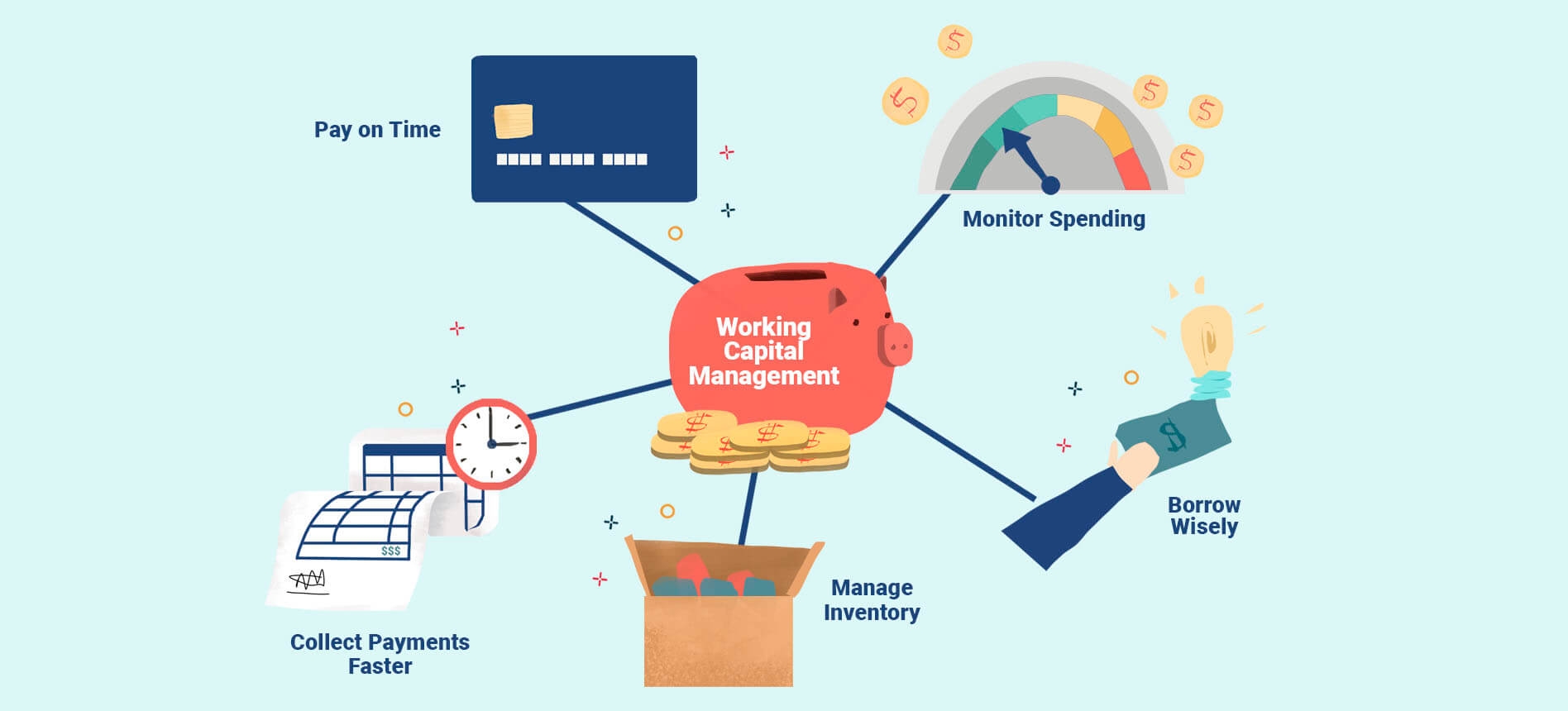
What Is Working Capital Management?
Working capital management is a core aspect of financial management that focuses on how a business manages its short-term assets and short-term liabilities to ensure smooth day-to-day operations. At its simplest, it is about having enough resources to pay bills on time, keep operations running, and avoid unnecessary financial stress—without holding excessive idle assets that reduce profitability.
For students, managers, and entrepreneurs alike, understanding working capital management is essential because it directly affects a company’s liquidity, efficiency, risk level, and overall financial health.
Understanding Working Capital
Before exploring working capital management, it is important to understand what working capital itself means.
Working capital is defined as:
Working Capital = Current Assets – Current Liabilities
-
Current assets include cash, bank balances, inventory, accounts receivable (debtors), and short-term investments.
-
Current liabilities include accounts payable (creditors), short-term loans, accrued expenses, and other obligations due within one year.
Positive working capital indicates that a company can meet its short-term obligations, while negative working capital suggests potential liquidity problems.
Meaning of Working Capital Management
Working capital management refers to the planning, controlling, and monitoring of a firm’s current assets and current liabilities to maintain an optimal level of working capital.
The goal is twofold:
-
Ensure liquidity so the business can meet short-term obligations.
-
Maximize profitability by using resources efficiently.
In practice, this means managing cash, inventory, receivables, and payables in a way that balances risk and return.
Objectives of Working Capital Management
The primary objectives of working capital management include:
1. Maintaining Adequate Liquidity
A business must have enough liquid resources to pay suppliers, employees, taxes, and other operating expenses on time. Poor liquidity can lead to delayed payments, damaged creditworthiness, or even insolvency.
2. Ensuring Operational Efficiency
Efficient working capital management ensures that production and sales activities are not disrupted due to shortages of raw materials or cash.
3. Minimizing Cost of Capital
Excess working capital often means funds are tied up in low-return assets like idle cash or excessive inventory. Effective management reduces unnecessary financing costs.
4. Maximizing Profitability
By reducing waste, speeding up cash collections, and optimizing inventory levels, businesses can improve profit margins.
Components of Working Capital Management
Working capital management mainly focuses on four key components:
1. Cash Management
Cash is the most liquid asset and the backbone of daily operations. Cash management involves:
-
Forecasting cash inflows and outflows
-
Maintaining optimal cash balances
-
Investing surplus cash wisely
Too little cash can cause payment delays, while too much cash leads to lost investment opportunities.
2. Inventory Management
Inventory includes raw materials, work-in-progress, and finished goods. Inventory management aims to:
-
Avoid stock shortages that disrupt production or sales
-
Prevent overstocking, which increases storage costs and risk of obsolescence
Techniques such as Economic Order Quantity (EOQ), Just-in-Time (JIT), and inventory turnover analysis are commonly used.
3. Accounts Receivable Management
Accounts receivable represent money owed by customers. Managing receivables involves:
-
Setting appropriate credit policies
-
Monitoring customer payment behavior
-
Ensuring timely collection of dues
Efficient receivable management improves cash flow and reduces bad debts.
4. Accounts Payable Management
Accounts payable are short-term obligations owed to suppliers. Payable management focuses on:
-
Taking advantage of credit periods
-
Avoiding late payment penalties
-
Maintaining good supplier relationships
Delaying payments too much can harm reputation, while paying too early may strain cash flow.
Importance of Working Capital Management
Working capital management plays a critical role in business success for several reasons:
1. Business Survival
Many profitable businesses fail due to poor working capital management. Without adequate liquidity, a company may be unable to meet immediate obligations despite strong sales.
2. Improved Creditworthiness
Efficient working capital practices help maintain a strong financial position, making it easier to obtain loans or attract investors.
3. Smooth Business Operations
Proper management ensures uninterrupted production, timely delivery of goods, and consistent service quality.
4. Better Profitability
By reducing unnecessary costs and improving asset utilization, working capital management contributes directly to higher profits.
Types of Working Capital
Working capital can be classified into different types based on time and purpose:
1. Gross Working Capital
Refers to the total value of current assets.
2. Net Working Capital
The difference between current assets and current liabilities.
3. Permanent (Fixed) Working Capital
The minimum level of working capital required to keep the business running continuously.
4. Temporary (Variable) Working Capital
Additional working capital needed to meet seasonal or special demands.
Working Capital Cycle
The working capital cycle (also called the cash conversion cycle) represents the time taken to convert cash invested in operations back into cash.
It includes:
-
Purchase of raw materials
-
Production process
-
Sale of finished goods
-
Collection of cash from customers
A shorter working capital cycle indicates better efficiency and liquidity.
Factors Affecting Working Capital Management
Several internal and external factors influence working capital requirements:
-
Nature of business (manufacturing vs. service)
-
Size of the firm
-
Production cycle length
-
Credit policy
-
Market conditions
-
Economic environment
Understanding these factors helps managers make better decisions.
Working Capital Management Strategies
Businesses adopt different strategies based on their risk tolerance and financial goals:
1. Conservative Strategy
Maintains high levels of current assets and low risk but lower profitability.
2. Aggressive Strategy
Minimizes current assets to increase returns but increases liquidity risk.
3. Moderate Strategy
Balances risk and return by maintaining optimal levels of working capital.
Challenges in Working Capital Management
Despite its importance, managing working capital is challenging due to:
-
Uncertain cash flows
-
Late customer payments
-
Fluctuating demand
-
Rising operating costs
-
Poor financial planning
Modern businesses increasingly use financial software and data analytics to overcome these challenges.
Conclusion
Working capital management is a vital function that determines a firm’s ability to operate efficiently, remain solvent, and grow sustainably. It involves managing cash, inventory, receivables, and payables in a balanced and strategic manner. Effective working capital management not only ensures smooth daily operations but also strengthens profitability and long-term financial stability.
In today’s competitive business environment, organizations that master working capital management gain a significant advantage by improving liquidity, reducing risk, and using resources more efficiently.
- Arts
- Business
- Computers
- Giochi
- Health
- Home
- Kids and Teens
- Money
- News
- Personal Development
- Recreation
- Regional
- Reference
- Science
- Shopping
- Society
- Sports
- Бизнес
- Деньги
- Дом
- Досуг
- Здоровье
- Игры
- Искусство
- Источники информации
- Компьютеры
- Личное развитие
- Наука
- Новости и СМИ
- Общество
- Покупки
- Спорт
- Страны и регионы
- World

 English
 Russian
 French
 Spanish
 Portuguese
 Deutsch
 Turkish
 Dutch
Dutch
 Arabic
 Romaian
 Portuguese (Brazil)
 Greek
Greek