
How Do I Design a Newspaper Ad?
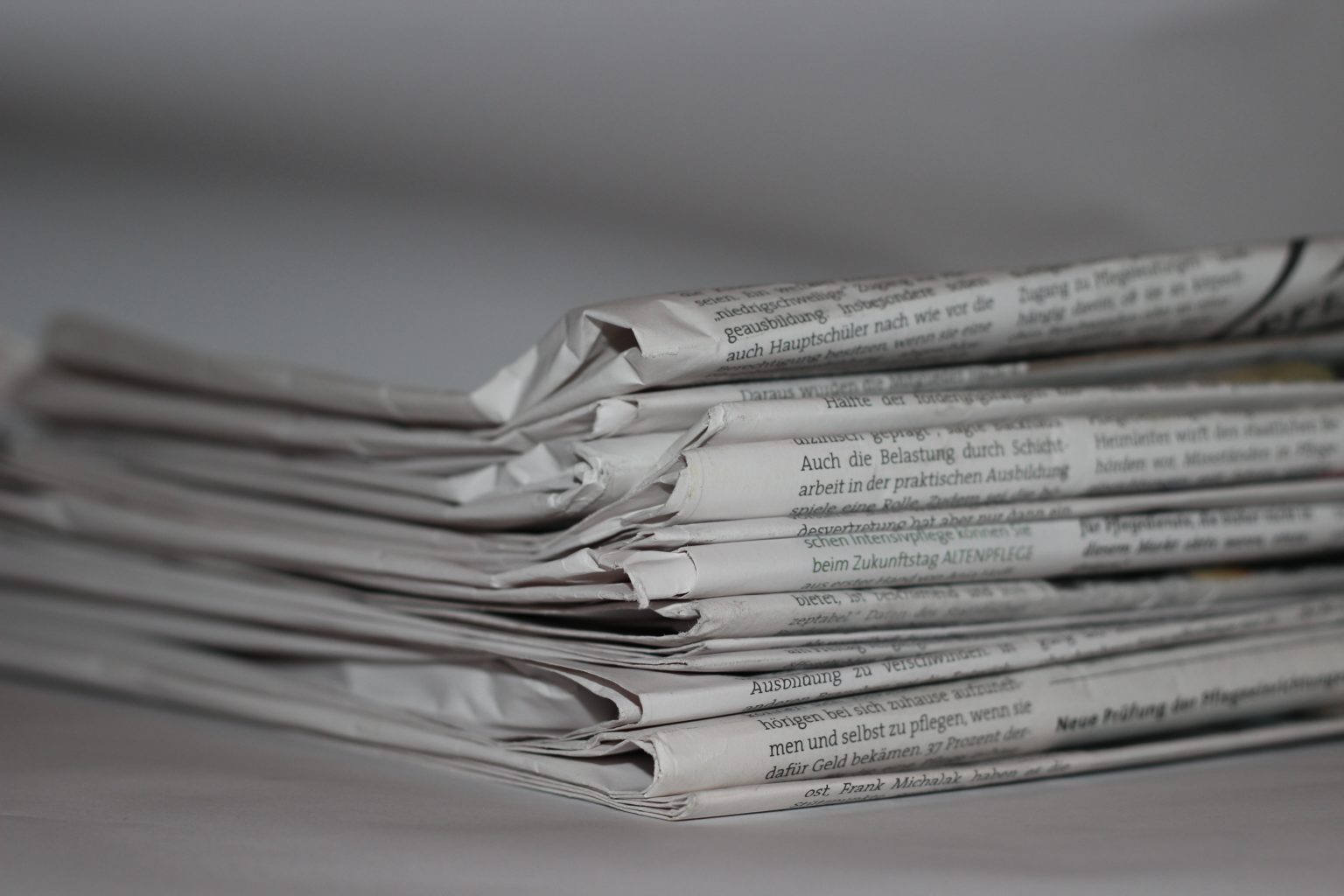
Designing a newspaper ad is very different from designing a digital ad. There are no animations, no clicks, no retargeting pixels, and no instant analytics. What you do have is limited space, a physical medium, and a reader who is scanning quickly.
That’s why effective newspaper ad design is not about being flashy—it’s about being clear, credible, and intentional.
This guide walks through how to design a newspaper ad step by step, covering layout, copywriting, visuals, formatting, common mistakes, and best practices so your ad actually works in print.
Why Newspaper Ad Design Matters
Poorly designed newspaper ads fail for three main reasons:
-
They are hard to read
-
They lack a clear message
-
They don’t guide the reader to action
Because newspaper ads cannot rely on motion or interactivity, design quality directly impacts performance.
Step 1: Define the Goal of Your Newspaper Ad
Before you design anything, you must define one primary objective.
Common newspaper ad goals:
-
Build local brand awareness
-
Promote a sale or offer
-
Drive store visits
-
Generate phone calls
-
Announce an event
-
Establish credibility
Avoid trying to do everything at once. A focused goal leads to better design decisions.
Step 2: Understand the Newspaper Format
Print Constraints to Design Around
Newspaper ads must fit within:
-
Fixed column widths
-
Black-and-white or limited color
-
Lower image resolution than digital
-
Newsprint paper quality
These constraints affect:
-
Font choices
-
Image clarity
-
Contrast levels
-
Layout simplicity
Common Newspaper Ad Sizes
Typical formats include:
-
Full-page ads
-
Half-page ads
-
Quarter-page ads
-
Vertical column ads
-
Classified-style boxes
Larger ads allow more storytelling, but smaller ads can still work with strong design discipline.
Step 3: Create a Strong Visual Hierarchy
What Is Visual Hierarchy?
Visual hierarchy controls:
-
What readers see first
-
What they read next
-
What they remember
In newspapers, readers scan quickly—your design must guide the eye instantly.
Core Hierarchy Elements
-
Headline (primary focus)
-
Visual or image
-
Supporting copy
-
Offer or value proposition
-
Call to action
-
Contact details
If everything looks the same size, nothing stands out.
Step 4: Write a Clear, Compelling Headline
The Headline Is the Most Important Element
Your headline must:
-
Grab attention
-
Communicate value
-
Be readable at a glance
Most readers only read headlines—so this is not optional.
Effective Newspaper Headline Tips
-
Keep it short (5–12 words)
-
Use plain language
-
Focus on benefits, not features
-
Avoid clever but unclear wordplay
Examples of Strong Headlines
-
“Save 30% on Local Home Repairs This Month”
-
“Trusted Legal Help for Families in [City]”
-
“Grand Opening: Quality Furniture at Factory Prices”
Clarity beats creativity in print.
Step 5: Use Images Carefully (or Skip Them)
Image Quality Matters More Than Quantity
Poor images hurt credibility more than no image at all.
Use images only if they:
-
Are high-resolution
-
Print well in grayscale
-
Add clarity or emotion
-
Support the message
Best Image Types for Newspaper Ads
-
Faces (especially local people)
-
Product close-ups
-
Storefronts
-
Simple, high-contrast visuals
Avoid cluttered or low-contrast images.
When Text-Only Ads Work Better
Text-only ads can be effective when:
-
Budget is limited
-
Message is straightforward
-
Audience trusts the brand
-
Classified sections are targeted
Design simplicity can be powerful.
Step 6: Write Copy That Fits Print Reading Behavior
Print Copy Is Read Differently Than Digital
Newspaper readers:
-
Skim quickly
-
Prefer short paragraphs
-
Avoid dense text blocks
Your copy must be scannable.
Best Practices for Newspaper Ad Copy
-
Use short sentences
-
Break text into chunks
-
Use bullet points sparingly
-
Avoid jargon
-
Speak directly to the reader
Focus on Benefits, Not Features
Instead of:
“We offer advanced solutions and innovative technology”
Use:
“Get reliable service that saves you time and money”
Step 7: Highlight a Clear Offer (When Applicable)
Offers Increase Response Rates
Newspaper ads perform better with:
-
Discounts
-
Limited-time promotions
-
Free consultations
-
Bonus incentives
The offer must be easy to understand.
Offer Design Tips
-
Make it visually distinct
-
Use bold or boxed formatting
-
Avoid fine print overload
-
Emphasize urgency when appropriate
Step 8: Include a Strong Call to Action (CTA)
Never Assume Readers Know What to Do
Every newspaper ad should tell readers exactly what action to take.
Examples:
-
“Call today”
-
“Visit our store”
-
“Book a free consultation”
-
“Bring this ad for savings”
CTA Placement Matters
Best CTA locations:
-
Bottom-right corner
-
Directly below the offer
-
In a boxed or highlighted section
Make the next step obvious.
Step 9: Optimize Typography for Print
Font Choices Matter More in Newspapers
Use fonts that:
-
Are easy to read
-
Print cleanly
-
Have strong contrast
Avoid thin, decorative, or overly stylized fonts.
Typography Best Practices
-
Limit to 1–2 fonts
-
Use bold for emphasis
-
Maintain consistent spacing
-
Ensure legibility at small sizes
Readability always comes first.
Step 10: Design for Black-and-White Printing
Assume Color May Be Lost
Even color ads may:
-
Print poorly
-
Lose contrast
-
Appear dull on newsprint
Design with grayscale in mind.
Contrast Tips
-
Use dark text on light backgrounds
-
Avoid light gray text
-
Test designs in black-and-white
-
Use borders and boxes for separation
Step 11: Use White Space Strategically
White Space Is Not Wasted Space
White space:
-
Improves readability
-
Reduces clutter
-
Directs attention
Crowded ads are often ignored.
Balance Is Key
Avoid:
-
Overloading text
-
Filling every inch
-
Competing focal points
Let the ad breathe.
Step 12: Place Contact Information Clearly
Make It Easy to Respond
Include:
-
Phone number (large and clear)
-
Website or landing page
-
Physical address (if relevant)
Do not bury contact details.
Tracking Responses
To measure effectiveness:
-
Use a unique phone number
-
Create a custom URL
-
Include a promo code
-
Use QR codes sparingly and clearly
Step 13: Align Design With Brand Identity
Consistency Builds Trust
Your newspaper ad should:
-
Match your brand colors (when possible)
-
Use consistent messaging
-
Reflect your brand tone
-
Reinforce recognition
A disconnected design weakens impact.
Step 14: Avoid Common Newspaper Ad Design Mistakes
Frequent Errors
-
Too much text
-
Tiny fonts
-
Poor image quality
-
No headline
-
Weak or missing CTA
-
Overcomplicated layouts
These mistakes reduce effectiveness immediately.
Step 15: Test Before Publishing
Always Review a Proof
Before submitting:
-
Print the ad on paper
-
View it in grayscale
-
Check spelling and numbers
-
Confirm sizing and placement
Once printed, mistakes cannot be fixed.
Step 16: Work With the Newspaper’s Design Guidelines
Most newspapers provide:
-
Size specifications
-
Resolution requirements
-
File format rules
-
Deadlines
Ignoring these can delay or distort your ad.
Step 17: Match Ad Design to Placement
Section Placement Matters
Design should match where the ad appears:
-
Classifieds → simple, direct
-
Business section → professional
-
Lifestyle section → visual and emotional
-
Sports section → bold and energetic
Context affects perception.
Step 18: Design for Repeat Exposure
Consistency Beats One-Off Ads
Newspaper advertising works best when:
-
Designs are repeated
-
Messaging is consistent
-
Brand elements stay recognizable
Minor tweaks over time are better than constant redesigns.
Step 19: When to Use Professional Designers
Consider hiring a designer if:
-
Brand image matters
-
Budget is significant
-
Ad size is large
-
Campaign is long-term
Poor design wastes ad spend.
Step 20: Newspaper Ad Design in a Digital World
Modern newspaper ads often integrate:
-
QR codes
-
Website URLs
-
Social media handles
-
Offline-to-online journeys
Design should support this bridge clearly.
Final Thoughts
Designing a newspaper ad is about clarity, hierarchy, and restraint. Unlike digital ads, print does not forgive clutter, confusion, or weak messaging.
A well-designed newspaper ad:
-
Respects the reader’s time
-
Communicates value instantly
-
Guides action clearly
-
Enhances brand credibility
When done right, newspaper ad design turns a static piece of paper into a persuasive marketing tool.
- Arts
- Business
- Computers
- Oyunlar
- Health
- Home
- Kids and Teens
- Money
- News
- Personal Development
- Recreation
- Regional
- Reference
- Science
- Shopping
- Society
- Sports
- Бизнес
- Деньги
- Дом
- Досуг
- Здоровье
- Игры
- Искусство
- Источники информации
- Компьютеры
- Личное развитие
- Наука
- Новости и СМИ
- Общество
- Покупки
- Спорт
- Страны и регионы
- World

 English
 Russian
 French
 Spanish
 Portuguese
 Deutsch
 Dutch
Dutch
 Italiano
 Arabic
 Romaian
 Portuguese (Brazil)
 Greek
Greek