
How Does Outdoor Advertising Work?
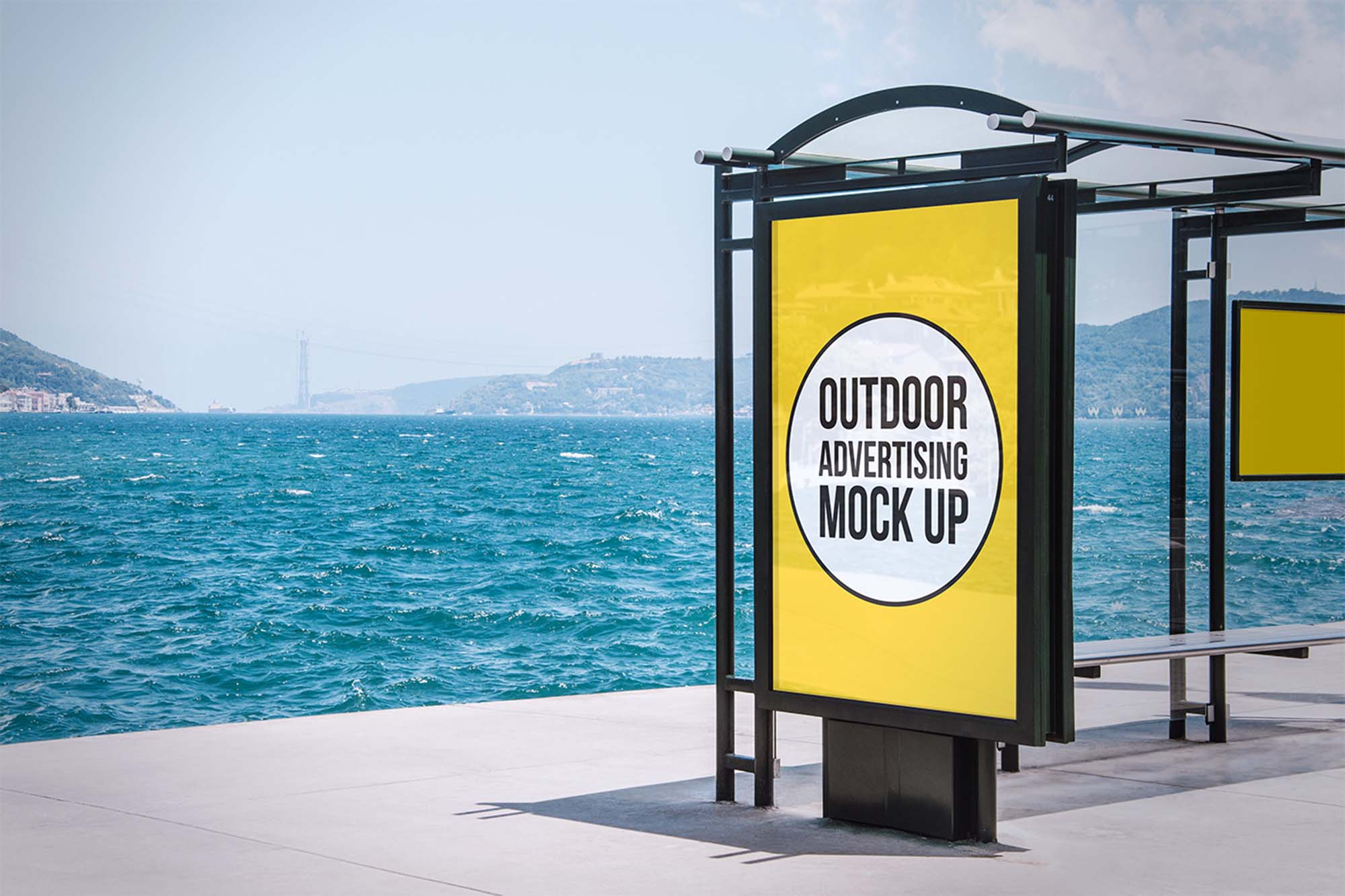
Outdoor advertising may look simple on the surface—a billboard, a bus shelter ad, a digital screen—but behind every successful outdoor campaign is a carefully planned system. From selecting the right location to ensuring maximum visibility and reaching the intended audience, outdoor advertising works through a combination of strategic placement, environmental context, and repeated exposure.
This article explains how outdoor advertising works, breaking down the key mechanics that make it effective: placement strategy, visibility factors, audience reach, and how advertisers plan and evaluate outdoor campaigns.
The Core Principle of Outdoor Advertising
At its core, outdoor advertising works by:
-
Placing messages in high-traffic public spaces
-
Maximizing repeated exposure
-
Delivering simple, memorable messaging
Unlike digital ads that rely on clicks, outdoor advertising works primarily through impressions and recall.
Step 1: Strategic Placement
Placement is the foundation of outdoor advertising effectiveness.
What Is Placement in Outdoor Advertising?
Placement refers to:
-
Where an ad is physically located
-
The surrounding environment
-
The traffic patterns around it
The goal is to position ads where the target audience naturally spends time.
High-Traffic Locations
Outdoor ads are typically placed in areas with:
-
Heavy vehicle traffic
-
High pedestrian footfall
-
Frequent commuter movement
Examples include highways, downtown streets, transit hubs, shopping districts, and entertainment zones.
Matching Placement to Audience Behavior
Different placements reach different audiences.
Examples:
-
Highways reach drivers and commuters
-
Transit stations reach daily commuters
-
Shopping areas reach consumers close to purchase
-
Business districts reach professionals
Effective placement aligns location with audience lifestyle.
Geographic Targeting Through Placement
Outdoor advertising is inherently geographic.
Advertisers can target:
-
Specific cities
-
Neighborhoods
-
Commuter corridors
-
Tourist zones
This makes outdoor advertising especially powerful for local and regional campaigns.
Step 2: Maximizing Visibility
Visibility determines whether an outdoor ad is noticed and remembered.
What Visibility Means in Outdoor Advertising
Visibility refers to:
-
How easily an ad can be seen
-
How long it stays in view
-
How clearly the message is communicated
High visibility increases recall and effectiveness.
Size and Scale
Larger ads are generally more visible.
Examples:
-
Large billboards seen from long distances
-
Wallscapes dominating building facades
Size helps ads stand out in busy environments.
Line of Sight and Viewing Angles
Outdoor ads must be positioned within natural sightlines.
Important factors include:
-
Driver eye level
-
Pedestrian viewing angles
-
Avoiding obstructions like trees or buildings
Poor sightlines reduce impact regardless of size.
Distance and Readability
Ads must be readable at the distance they’re viewed.
Best practices include:
-
Large fonts
-
High contrast
-
Minimal text
If viewers can’t read the message quickly, the ad fails.
Lighting and Time of Day
Lighting affects visibility.
Considerations include:
-
Natural daylight exposure
-
Street lighting at night
-
Backlit or digital displays
Digital and illuminated ads improve nighttime visibility.
Movement and Attention
Motion draws attention.
Examples:
-
Digital billboards with subtle animation
-
Transit ads on moving vehicles
Movement helps ads break through visual clutter.
Step 3: Audience Reach
Audience reach refers to how many people see the ad and how often.
What Is Audience Reach?
Audience reach is measured by:
-
Estimated impressions
-
Traffic counts
-
Pedestrian data
It reflects the number of potential viewers over a period.
Reach vs Frequency
Outdoor advertising balances:
-
Reach: how many people see the ad
-
Frequency: how often they see it
Repeated exposure strengthens brand recall.
Daily Routine Exposure
Outdoor ads benefit from routine behavior.
Examples:
-
Daily commutes
-
Regular shopping trips
-
Weekly travel routes
Seeing the same ad repeatedly builds familiarity.
Audience Segmentation Through Location
While outdoor ads don’t target individuals directly, they reach groups based on environment.
For example:
-
Ads near schools reach families
-
Ads near offices reach professionals
-
Ads near stadiums reach sports fans
This is known as contextual targeting.
Step 4: Creative Simplicity and Messaging
Outdoor advertising relies on fast comprehension.
Why Simple Messaging Works
People often view outdoor ads while:
-
Driving
-
Walking
-
Waiting briefly
They only have seconds to absorb the message.
The “Six-Second Rule”
A common guideline is that outdoor ads should be understood in:
-
Six seconds or less
This encourages:
-
Short headlines
-
Strong visuals
-
Clear branding
Visual Hierarchy
Effective outdoor ads use:
-
One dominant visual
-
One clear message
-
A recognizable brand element
Too much information reduces clarity.
Step 5: Campaign Duration and Exposure Time
Outdoor advertising works over time.
Why Duration Matters
Longer campaigns:
-
Increase frequency
-
Improve recall
-
Build familiarity
Outdoor ads often run for weeks or months.
Short-Term vs Long-Term Campaigns
Short-term campaigns:
-
Promote events
-
Support launches
Long-term campaigns:
-
Build brand presence
-
Reinforce positioning
Both approaches are effective depending on goals.
Step 6: Static vs Digital Outdoor Advertising
Outdoor advertising works slightly differently depending on format.
How Static Outdoor Advertising Works
Static ads:
-
Display one message continuously
-
Rely on repetition over time
-
Require physical replacement to change
They are simple and consistent.
How Digital Out-of-Home (DOOH) Works
DOOH adds flexibility.
Digital outdoor ads can:
-
Rotate multiple ads
-
Change by time of day
-
Use motion and video
-
Update remotely
This allows more dynamic messaging.
Time-Based Targeting With DOOH
Digital outdoor ads can align with:
-
Morning vs evening commuters
-
Weekday vs weekend traffic
-
Weather conditions
This increases relevance.
Step 7: Measuring Outdoor Advertising Performance
Measurement has evolved significantly.
Traditional Measurement Methods
Historically, outdoor advertising used:
-
Traffic counts
-
Location-based estimates
-
Circulation data
These provide estimated impressions.
Modern Measurement Techniques
Today, advertisers may use:
-
Mobile location data
-
Audience modeling
-
Brand lift studies
-
QR codes and short URLs
Measurement is improving but still focuses on awareness.
Attribution Challenges
Outdoor advertising:
-
Influences behavior indirectly
-
Often supports other channels
It’s best measured as part of a broader marketing mix.
Step 8: Integration With Other Marketing Channels
Outdoor advertising rarely works alone.
Supporting Digital Campaigns
Outdoor ads often:
-
Increase brand searches
-
Improve click-through rates on digital ads
-
Reinforce online messaging
Offline exposure strengthens online performance.
Omnichannel Marketing Impact
When combined with:
-
Online advertising
-
Social media
-
TV or radio
Outdoor advertising amplifies overall campaign effectiveness.
Step 9: Planning an Outdoor Advertising Campaign
Effective outdoor campaigns follow a structured process.
Define Campaign Goals
Common goals include:
-
Brand awareness
-
Local visibility
-
Product promotion
Goals determine format and placement.
Select Locations Strategically
Choose placements based on:
-
Audience behavior
-
Traffic patterns
-
Geographic relevance
Location quality matters more than quantity.
Develop Outdoor-Specific Creative
Creative should be designed for:
-
Distance viewing
-
Quick comprehension
-
Environmental context
Reusing digital ads without adaptation reduces impact.
Schedule and Monitor the Campaign
Campaigns should be monitored for:
-
Visibility issues
-
Maintenance
-
Placement accuracy
Digital campaigns allow real-time adjustments.
Strengths of How Outdoor Advertising Works
Outdoor advertising succeeds because it:
-
Reaches people in the real world
-
Cannot be skipped or blocked
-
Delivers consistent exposure
-
Builds strong brand recall
Its mechanics are simple but powerful.
Limitations of Outdoor Advertising Mechanics
Limitations include:
-
Less precise individual targeting
-
Limited messaging space
-
Indirect conversion tracking
Understanding these limitations ensures realistic expectations.
Why Outdoor Advertising Still Works Today
Despite digital growth, outdoor advertising remains effective because:
-
People still travel and commute
-
Physical presence builds credibility
-
Repetition reinforces memory
Outdoor advertising anchors brands in everyday life.
The Role of Outdoor Advertising in Modern Cities
As cities grow denser, outdoor advertising:
-
Becomes more visible
-
Reaches diverse audiences
-
Integrates with smart-city infrastructure
Urban environments amplify its impact.
Future Improvements in How Outdoor Advertising Works
The future includes:
-
Smarter placement using data
-
Programmatic DOOH buying
-
Better audience analytics
-
More interactive formats
Technology continues to refine effectiveness.
Final Thoughts
Outdoor advertising works by combining strategic placement, high visibility, and repeated exposure to deliver memorable brand messages in public spaces. While it doesn’t rely on clicks or direct response, its strength lies in awareness, recall, and reinforcement.
When planned thoughtfully and integrated with other marketing channels, outdoor advertising remains one of the most reliable ways to reach broad audiences and keep brands visible in the physical world.
- Arts
- Business
- Computers
- Games
- Health
- Home
- Kids and Teens
- Money
- News
- Personal Development
- Recreation
- Regional
- Reference
- Science
- Shopping
- Society
- Sports
- Бизнес
- Деньги
- Дом
- Досуг
- Здоровье
- Игры
- Искусство
- Источники информации
- Компьютеры
- Личное развитие
- Наука
- Новости и СМИ
- Общество
- Покупки
- Спорт
- Страны и регионы
- World

 Russian
 French
 Spanish
 Portuguese
 Deutsch
 Turkish
 Dutch
Dutch
 Italiano
 Arabic
 Romaian
 Portuguese (Brazil)
 Greek
Greek