
How Long Should an Outdoor Advertising Campaign Run?
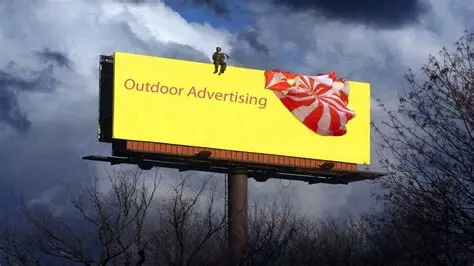
One of the most common questions advertisers ask when planning an outdoor advertising campaign is: how long should it run? Unlike digital ads that can be launched and paused instantly, outdoor advertising requires more strategic thinking around duration, repetition, and sustained exposure.
This article explains how long an outdoor advertising campaign should run, what factors influence duration, how repetition affects results, and how to choose the right timeline based on campaign goals.
Why Campaign Duration Matters in Outdoor Advertising
Outdoor advertising works differently from digital advertising.
It relies on:
-
Repeated exposure
-
Passive attention
-
Environmental presence
Because audiences don’t “click” outdoor ads, effectiveness builds over time. Duration plays a critical role in whether an outdoor campaign succeeds or fails.
The Core Principle: Outdoor Advertising Is About Repetition
Why Repetition Is Essential
Outdoor advertising effectiveness is driven by:
-
Frequency (how often people see the ad)
-
Consistency (same message over time)
Most people:
-
Don’t notice an outdoor ad the first time
-
Register it subconsciously after repeated exposure
-
Recall it after multiple impressions
This is why duration matters more than sheer size alone.
The Advertising “Rule of Seven”
A common marketing principle suggests:
-
A consumer needs to see a message at least 7 times
-
Before it truly registers
Outdoor advertising naturally supports this through daily routines:
-
Commuting
-
Shopping
-
Walking familiar routes
Longer campaigns increase the likelihood of reaching this repetition threshold.
Typical Outdoor Advertising Campaign Lengths
Minimum Campaign Duration
Recommended minimum:
-
4 weeks (1 month)
Anything shorter:
-
Risks insufficient exposure
-
Limits frequency
-
Reduces recall
Shorter campaigns may work only for:
-
One-day events
-
Flash promotions
-
Highly trafficked digital screens
Standard Campaign Duration
Most common duration:
-
8 to 12 weeks (2–3 months)
This timeframe allows:
-
Consistent exposure
-
Audience recognition
-
Measurable brand lift
It’s considered the sweet spot for many advertisers.
Long-Term Campaigns
Some outdoor campaigns run:
-
6 months
-
12 months or longer
These are typically used for:
-
Brand awareness
-
Market dominance
-
Location-based businesses
Long-term presence builds familiarity and trust.
Factors That Determine Campaign Length
There is no one-size-fits-all answer. Duration depends on several factors.
Campaign Objective
Brand Awareness Campaigns
Brand awareness campaigns benefit from:
-
Longer durations
-
Consistent messaging
Recommended duration:
-
3–6 months minimum
Brand-building takes time.
Promotional or Sales Campaigns
Promotional campaigns are often:
-
Time-sensitive
-
Shorter in duration
Recommended duration:
-
4–8 weeks
Enough time for repetition without overstaying relevance.
Event-Based Campaigns
Event promotions depend on:
-
Event date
-
Lead time
Typical structure:
-
Start 4–6 weeks before the event
-
Increase frequency closer to the date
Audience Behavior and Traffic Patterns
Daily Commuters
If targeting commuters:
-
Repetition happens naturally
-
Campaigns can be shorter
Still, 4+ weeks is recommended.
Pedestrian or Tourist Areas
Tourist-heavy locations:
-
Have rotating audiences
-
Require longer durations
Longer campaigns ensure exposure to more unique viewers.
Local vs National Campaigns
Local Outdoor Campaigns
Local campaigns often benefit from:
-
Longer durations
-
Neighborhood familiarity
A consistent presence builds local trust.
National or Multi-City Campaigns
National campaigns may:
-
Rotate locations
-
Stagger durations
Each market still needs sufficient exposure time.
Format Type and Duration
Static Billboards
Static billboards:
-
Deliver constant exposure
-
Benefit from longer runs
Recommended duration:
-
8–12 weeks or more
Printing costs encourage fewer creative changes.
Digital Out-of-Home (DOOH)
DOOH campaigns offer:
-
Flexible scheduling
-
Shorter booking periods
Recommended duration:
-
2–8 weeks, depending on frequency
Digital ads rely on rotation rather than exclusivity.
Transit Advertising
Transit ads:
-
Reach daily riders
-
Deliver high repetition
Campaigns often run:
-
1–3 months
This matches commuter cycles.
Street Furniture Advertising
Street furniture ads:
-
Target pedestrians
-
Allow closer viewing
Campaigns typically last:
-
4–12 weeks
Frequency vs Duration: What Matters More?
Understanding Frequency
Frequency measures:
-
How often the same person sees an ad
High frequency is essential for recall.
Balancing Frequency and Duration
A short campaign with high frequency:
-
Can work in dense urban areas
A long campaign with low frequency:
-
May fail to register
The goal is:
-
Sufficient frequency over sufficient time
Why “Short and Loud” Often Fails
Many advertisers make the mistake of:
-
Running a very short campaign
-
Expecting immediate results
Outdoor advertising:
-
Builds impact gradually
-
Rarely delivers instant response
Consistency outperforms bursts.
Creative Wear-Out and Campaign Length
What Is Ad Wear-Out?
Ad wear-out occurs when:
-
Audiences see the same ad too often
-
Engagement and attention decline
This is less common in outdoor advertising than digital.
Why Outdoor Ads Wear Out Slower
Outdoor advertising:
-
Is passively consumed
-
Is viewed briefly
-
Competes with real-world environments
As a result, wear-out happens much later.
When to Refresh Creative
Consider refreshing creative if:
-
Campaign runs longer than 3 months
-
Promotions change
-
Seasonality shifts
Digital formats make creative rotation easier.
Measuring Duration Effectiveness
Early-Stage Performance
In the first few weeks:
-
Awareness begins to build
-
Limited measurable action
This is normal.
Mid-Campaign Momentum
Around weeks 4–8:
-
Recall improves
-
Search lift increases
-
Foot traffic begins to rise
This is often when results become visible.
Long-Term Impact
Extended campaigns deliver:
-
Stronger brand familiarity
-
Higher trust
-
Better long-term ROI
Outdoor advertising often compounds over time.
Budget Considerations and Campaign Length
Small Budgets
For limited budgets:
-
Focus on fewer locations
-
Run for longer durations
Consistency beats scattered exposure.
Larger Budgets
With larger budgets:
-
Increase both duration and coverage
-
Layer multiple formats
This maximizes reach and frequency.
Cost Efficiency Over Time
Longer campaigns often:
-
Reduce monthly rates
-
Improve CPM efficiency
Media owners frequently offer discounts for longer bookings.
Industry-Specific Campaign Duration Guidelines
Retail and Restaurants
Recommended duration:
-
4–8 weeks
Long enough to influence visits without message fatigue.
Real Estate
Recommended duration:
-
3–6 months
Buyers need repeated exposure and trust.
Automotive
Recommended duration:
-
2–4 months
Supports consideration and dealership visits.
Entertainment and Events
Recommended duration:
-
4–6 weeks
Timed to release dates or event schedules.
Local Services
Recommended duration:
-
Ongoing or long-term
Consistency drives top-of-mind awareness.
Common Mistakes in Campaign Duration
Ending Campaigns Too Early
Many advertisers stop just as impact begins.
Overestimating Short-Term Results
Outdoor advertising is not instant-response media.
Spreading Budget Too Thin
Too many locations for too little time reduces effectiveness.
Ignoring Seasonality
Timing matters as much as duration.
How to Decide the Right Campaign Length
Ask these questions:
-
What is the goal: awareness or action?
-
How often does my audience pass the location?
-
What is my budget?
-
Is my message time-sensitive?
The answers guide duration decisions.
Best Practices for Outdoor Campaign Duration
Commit to a Minimum of One Month
Anything shorter limits effectiveness.
Plan for Repetition, Not Reach Alone
Frequency drives recall.
Monitor and Optimize
Use:
-
Foot traffic data
-
Search lift
-
Brand metrics
To evaluate timing impact.
Think Long-Term
Outdoor advertising rewards patience and consistency.
Final Thoughts
There is no universal answer to how long an outdoor advertising campaign should run, but duration and repetition are essential to success. In most cases, campaigns should run for at least four weeks, with 8–12 weeks or longer delivering stronger results.
Outdoor advertising works through repeated exposure in real-world environments. When campaigns are given enough time to build familiarity and recall, they become one of the most powerful tools for brand awareness, local presence, and sustained impact.
- Arts
- Business
- Computers
- Spiele
- Health
- Startseite
- Kids and Teens
- Geld
- News
- Personal Development
- Recreation
- Regional
- Reference
- Science
- Shopping
- Society
- Sports
- Бизнес
- Деньги
- Дом
- Досуг
- Здоровье
- Игры
- Искусство
- Источники информации
- Компьютеры
- Личное развитие
- Наука
- Новости и СМИ
- Общество
- Покупки
- Спорт
- Страны и регионы
- World

 English
 Russian
 French
 Spanish
 Portuguese
 Turkish
 Dutch
Dutch
 Italiano
 Arabic
 Romaian
 Portuguese (Brazil)
 Greek
Greek
