
What are personal development skills?
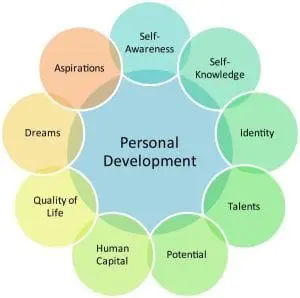
Personal development skills are the abilities and habits that help individuals improve themselves, navigate life more effectively, and reach their full potential. Unlike technical or job-specific skills, personal development skills apply to all areas of life—career, relationships, mental health, and overall well-being. They shape how you think, how you act, how you relate to others, and how you respond to challenges. In a world that is constantly changing, developing these skills is no longer optional; it is essential for long-term success and fulfillment.
This article explores what personal development skills are, why they matter, and the most important skills you can cultivate to improve your life.
What Are Personal Development Skills?
Personal development skills are internal and interpersonal abilities that influence your behavior, mindset, and effectiveness in daily life. They include cognitive skills (how you think), emotional skills (how you manage feelings), social skills (how you interact with others), and self-management skills (how you regulate actions and habits).
These skills are not fixed traits. They can be learned, practiced, and strengthened over time through intentional effort, reflection, and experience. Personal development skills often determine how well someone applies their technical knowledge and talents. Two people with the same education and experience can achieve very different outcomes based on their personal development skill set.
Why Personal Development Skills Matter
Personal development skills are the foundation of self-improvement. They affect nearly every aspect of life:
-
Career growth: Employers increasingly value soft skills such as communication, adaptability, and emotional intelligence.
-
Mental well-being: Skills like self-awareness and stress management improve emotional balance and resilience.
-
Relationships: Empathy, listening, and conflict resolution strengthen personal and professional connections.
-
Decision-making: Critical thinking and self-discipline lead to better choices over time.
-
Life satisfaction: A sense of purpose, confidence, and control contributes to long-term fulfillment.
Without personal development skills, even highly talented individuals may struggle with consistency, motivation, or interpersonal challenges.
Core Categories of Personal Development Skills
Personal development skills can be grouped into several broad categories. Each category supports the others, creating a balanced and effective approach to growth.
Self-Awareness Skills
Self-awareness is the ability to understand your thoughts, emotions, strengths, weaknesses, values, and motivations. It is one of the most fundamental personal development skills because it influences all others.
Key self-awareness skills include:
-
Recognizing emotional triggers
-
Understanding personal values and beliefs
-
Identifying strengths and limitations
-
Reflecting on behavior and outcomes
People with strong self-awareness are better at regulating emotions, making aligned decisions, and learning from experience.
Emotional Intelligence Skills
Emotional intelligence refers to the ability to understand and manage emotions in yourself and others. It plays a major role in leadership, relationships, and mental health.
Important emotional intelligence skills include:
-
Emotional regulation
-
Empathy
-
Social awareness
-
Managing interpersonal dynamics
Developing emotional intelligence helps you respond thoughtfully rather than react impulsively, especially in stressful or emotionally charged situations.
Communication Skills
Effective communication is a cornerstone of personal and professional success. It is not just about speaking clearly but also about listening, interpreting, and responding appropriately.
Key communication skills include:
-
Active listening
-
Clear verbal expression
-
Written communication
-
Nonverbal awareness
-
Assertiveness
Strong communication skills reduce misunderstandings, improve collaboration, and build trust.
Self-Discipline and Time Management Skills
Self-discipline is the ability to act consistently in alignment with goals, even when motivation is low. Time management is the practical application of discipline in daily life.
These skills include:
-
Prioritization
-
Goal setting
-
Delayed gratification
-
Consistency and follow-through
-
Avoiding distractions
Without self-discipline, goals remain intentions. With it, progress becomes predictable and sustainable.
Goal-Setting and Planning Skills
Goal-setting skills help transform vague desires into actionable plans. Effective goal-setting involves clarity, structure, and adaptability.
Key skills in this category include:
-
Defining clear and realistic goals
-
Breaking goals into manageable steps
-
Tracking progress
-
Adjusting plans when circumstances change
These skills create direction and prevent wasted effort.
Critical Thinking and Decision-Making Skills
Critical thinking allows you to analyze situations objectively, evaluate information, and make reasoned decisions. In a world filled with information and opinions, this skill is increasingly important.
Core elements include:
-
Logical reasoning
-
Problem-solving
-
Evaluating evidence
-
Recognizing cognitive biases
-
Considering long-term consequences
Good decision-making is often the difference between consistent growth and repeated setbacks.
Adaptability and Learning Skills
Adaptability is the ability to adjust to change, learn new skills, and remain effective in uncertain environments. Personal growth depends on your willingness to evolve.
Key adaptability skills include:
-
Openness to feedback
-
Continuous learning
-
Flexibility in thinking
-
Resilience during change
Those who develop adaptability are better prepared for career shifts, life transitions, and unexpected challenges.
Confidence and Self-Belief Skills
Confidence is not arrogance; it is trust in your ability to handle challenges and learn from mistakes. Self-belief supports initiative, resilience, and persistence.
Important confidence-related skills include:
-
Positive self-talk
-
Managing self-doubt
-
Taking calculated risks
-
Learning from failure
Confidence grows through action and experience, not perfection.
Stress Management and Resilience Skills
Life inevitably includes pressure, uncertainty, and setbacks. Stress management and resilience skills help you maintain balance and recover from difficulties.
These skills include:
-
Emotional regulation under pressure
-
Healthy coping mechanisms
-
Maintaining perspective
-
Physical and mental self-care
Resilient individuals do not avoid hardship; they develop the capacity to endure and adapt.
Leadership and Influence Skills
Leadership is not limited to formal positions. It includes the ability to inspire, guide, and positively influence others.
Key leadership-related personal development skills include:
-
Responsibility and accountability
-
Ethical decision-making
-
Conflict resolution
-
Motivating and supporting others
Developing leadership skills enhances both professional impact and personal integrity.
How to Develop Personal Development Skills
Personal development skills are built through consistent practice, not quick fixes. Effective strategies include:
-
Regular self-reflection and journaling
-
Reading books and learning from credible sources
-
Seeking feedback from others
-
Setting small, measurable improvement goals
-
Applying skills in real-life situations
Growth often comes from discomfort. The willingness to practice imperfectly is essential.
Final Thoughts
Personal development skills are the building blocks of a meaningful and successful life. They shape how you think, feel, act, and interact with the world. Unlike external achievements, these skills stay with you and continue to compound over time.
Developing personal development skills is not about becoming flawless; it is about becoming more capable, self-aware, and intentional. By investing in these skills, you create a strong internal foundation that supports growth in every area of life—career, relationships, and personal fulfillment.
- Arts
- Business
- Computers
- Jeux
- Health
- Domicile
- Kids and Teens
- Argent
- News
- Personal Development
- Recreation
- Regional
- Reference
- Science
- Shopping
- Society
- Sports
- Бизнес
- Деньги
- Дом
- Досуг
- Здоровье
- Игры
- Искусство
- Источники информации
- Компьютеры
- Личное развитие
- Наука
- Новости и СМИ
- Общество
- Покупки
- Спорт
- Страны и регионы
- World

 English
 Russian
 Spanish
 Portuguese
 Deutsch
 Turkish
 Dutch
Dutch
 Italiano
 Arabic
 Romaian
 Portuguese (Brazil)
 Greek
Greek