
What Is PPC (Pay-Per-Click) Advertising?
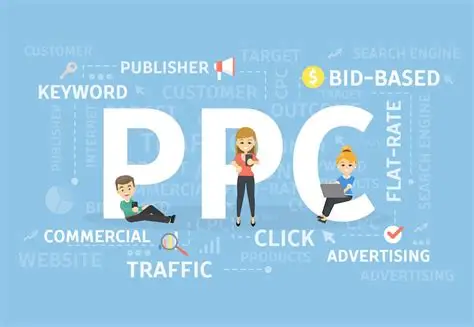
PPC, or pay-per-click advertising, is one of the most widely used and effective forms of online advertising today. It allows businesses to reach potential customers instantly, control costs, and measure performance with precision. Whether you’re a small business owner or a global brand, PPC plays a central role in modern digital marketing strategies.
This article explains what PPC is, how it works, the different types of PPC advertising, and why it remains a critical marketing channel.
Understanding PPC Advertising
What Does PPC Mean?
PPC stands for pay-per-click, a model of online advertising where advertisers pay a fee each time someone clicks on their ad. Instead of paying for exposure alone, advertisers only pay when users take action.
In simple terms:
-
You create an ad
-
It appears on a platform
-
You pay only when someone clicks
Why PPC Exists
PPC was developed to:
-
Provide measurable advertising results
-
Offer fair pricing based on engagement
-
Give advertisers more control over budgets
It aligns cost with performance.
Where PPC Ads Appear
Search Engines
Search PPC ads appear:
-
At the top or bottom of search results
-
When users search specific keywords
Examples include Google Ads and Bing Ads.
Social Media Platforms
Social PPC ads appear:
-
In feeds
-
In stories
-
In sidebars
Platforms include Facebook, Instagram, LinkedIn, TikTok, and X.
Display Networks
Display PPC ads appear:
-
On websites
-
In apps
-
Across publisher networks
These ads often focus on awareness and retargeting.
Video Platforms
Video PPC ads appear:
-
Before, during, or after videos
-
On platforms like YouTube
Advertisers may pay per click or engagement.
How PPC Advertising Works
Keywords and Targeting
In search PPC:
-
Advertisers choose keywords
-
Ads appear when users search those terms
Targeting ensures relevance.
Bidding System
Advertisers set:
-
A maximum bid per click
-
Daily or monthly budgets
Higher bids don’t always guarantee placement.
Ad Auctions
Each time a user searches:
-
An auction takes place
-
Ads are ranked based on multiple factors
This happens in milliseconds.
Quality Score and Relevance
Platforms consider:
-
Ad relevance
-
Expected click-through rate
-
Landing page experience
Better quality reduces cost.
Types of PPC Advertising
Search PPC
Search ads target users with intent:
-
“Buy running shoes”
-
“Best dentist near me”
These clicks are highly valuable.
Display PPC
Display ads:
-
Use visuals
-
Reach users while browsing
They are ideal for brand awareness.
Social Media PPC
Social PPC uses:
-
Demographic targeting
-
Interest-based targeting
-
Behavioral data
It’s effective for discovery and engagement.
Remarketing PPC
Remarketing targets:
-
Users who previously visited your site
-
Users who interacted with your ads
It improves conversion rates.
Shopping Ads
Shopping PPC ads:
-
Display product images
-
Show prices and reviews
Common in ecommerce.
Why Businesses Use PPC Advertising
Immediate Visibility
PPC delivers:
-
Instant exposure
-
Immediate traffic
Unlike SEO, it doesn’t require months of waiting.
Budget Control
Advertisers control:
-
Maximum spend
-
Cost per click
This limits financial risk.
Highly Targeted Reach
PPC allows targeting by:
-
Location
-
Device
-
Time of day
-
Audience behavior
This improves efficiency.
Measurable Results
Every action can be tracked:
-
Clicks
-
Conversions
-
Revenue
This transparency is unmatched.
PPC vs Other Advertising Models
PPC vs CPM
PPC charges for clicks, while CPM charges for impressions. PPC focuses on action, CPM focuses on exposure.
PPC vs Organic Traffic
Organic traffic is free but slow. PPC is paid but immediate.
PPC vs Traditional Advertising
Traditional ads lack:
-
Precise targeting
-
Real-time optimization
PPC offers both.
Common PPC Platforms
Google Ads
The largest PPC platform:
-
Search
-
Display
-
Video
-
Shopping
It captures high-intent users.
Microsoft Advertising (Bing Ads)
Offers:
-
Lower competition
-
Often lower CPCs
Useful for specific demographics.
Meta Ads (Facebook & Instagram)
Strong for:
-
Visual storytelling
-
Audience targeting
Effective for ecommerce and lead generation.
LinkedIn Ads
Best for:
-
B2B targeting
-
Professional audiences
Costs are higher but leads are valuable.
TikTok Ads
Ideal for:
-
Younger audiences
-
Discovery-driven campaigns
Creative matters more than keywords.
Key Metrics in PPC Advertising
Cost Per Click (CPC)
The amount paid per click.
Click-Through Rate (CTR)
The percentage of people who click after seeing the ad.
Conversion Rate
The percentage of clicks that result in a desired action.
Quality Score
A platform-specific rating affecting cost and placement.
Return on Ad Spend (ROAS)
Revenue generated divided by ad spend.
PPC Budgeting Basics
Setting Realistic Budgets
Budgets depend on:
-
Industry
-
Competition
-
Goals
Start small and scale.
Testing and Optimization
PPC requires:
-
Ongoing testing
-
Keyword refinement
-
Ad copy improvements
It’s not a “set and forget” channel.
Advantages of PPC Advertising
Speed and Flexibility
Campaigns can be:
-
Launched quickly
-
Paused instantly
This agility is powerful.
Scalability
Successful campaigns can:
-
Increase budgets
-
Expand targeting
Growth is controlled.
High Intent Targeting
Search PPC reaches users ready to act.
Limitations of PPC Advertising
Costs Can Rise Quickly
Competitive industries face:
-
High CPCs
-
Budget pressure
Efficiency matters.
Requires Ongoing Management
Without optimization:
-
Costs increase
-
Performance declines
Expertise is important.
Click Fraud and Waste
While rare, invalid clicks exist and require monitoring.
When PPC Is Most Effective
PPC works best when:
-
You need immediate traffic
-
You’re promoting offers or launches
-
You want predictable lead flow
When PPC May Not Be Ideal
PPC may be less suitable for:
-
Extremely low-margin products
-
Brands without clear conversion goals
In these cases, PPC supports other channels.
The Role of PPC in a Marketing Strategy
PPC complements:
-
SEO
-
Content marketing
-
Social media
-
Email marketing
It accelerates results while other channels grow.
The Future of PPC Advertising
PPC is evolving with:
-
Automation
-
AI-driven bidding
-
Privacy-friendly targeting
But the core principle remains: paying for results.
Final Thoughts
PPC advertising is a powerful, flexible, and measurable way to reach customers at the right moment. By paying only when users click, businesses gain control, transparency, and speed that few other channels can offer.
When managed correctly, PPC is not just an expense—it’s an investment that drives growth, visibility, and revenue.
- Arts
- Business
- Computers
- Jogos
- Health
- Início
- Kids and Teens
- Money
- News
- Personal Development
- Recreation
- Regional
- Reference
- Science
- Shopping
- Society
- Sports
- Бизнес
- Деньги
- Дом
- Досуг
- Здоровье
- Игры
- Искусство
- Источники информации
- Компьютеры
- Личное развитие
- Наука
- Новости и СМИ
- Общество
- Покупки
- Спорт
- Страны и регионы
- World

 English
 Russian
 French
 Spanish
 Portuguese
 Deutsch
 Turkish
 Dutch
Dutch
 Italiano
 Arabic
 Romaian
 Greek
Greek