
What Is the Difference Between PPC and SEO?
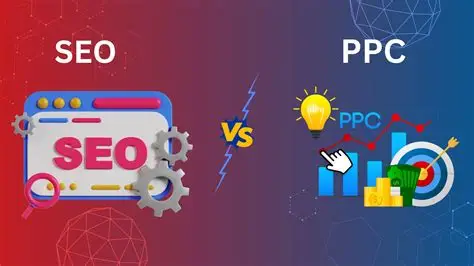
Pay-per-click (PPC) advertising and search engine optimization (SEO) are two of the most important strategies in digital marketing. Both aim to increase visibility in search engines and drive traffic to websites, yet they operate in very different ways. Understanding the difference between PPC and SEO helps businesses choose the right approach, set realistic expectations, and build balanced marketing strategies.
This article explains the key differences between PPC and SEO, how each works, their advantages and limitations, and when to use them together.
Understanding PPC and SEO
What Is PPC?
PPC is a paid advertising model where businesses pay each time someone clicks on their ad. These ads appear at the top, bottom, or alongside search results and across digital platforms.
Key characteristics:
-
Immediate visibility
-
Paid placement
-
Performance-based pricing
-
Requires continuous budget
What Is SEO?
SEO is the process of optimizing a website to rank higher in organic (unpaid) search results. It focuses on improving content, technical structure, and authority.
Key characteristics:
-
Free clicks
-
Long-term results
-
Earned placement
-
Requires time and consistency
Core Difference: Paid vs Organic Traffic
The fundamental difference is:
-
PPC = Paid traffic
-
SEO = Organic traffic
With PPC, you buy visibility.
With SEO, you earn visibility.
Both approaches serve different strategic purposes.
Speed of Results
PPC: Immediate Impact
PPC delivers results quickly:
-
Ads can appear within hours
-
Traffic begins immediately
-
Ideal for urgent campaigns
This makes PPC valuable for launches and promotions.
SEO: Long-Term Growth
SEO takes time:
-
Rankings develop over months
-
Authority builds gradually
-
Results compound
It rewards patience and consistency.
Cost Structure
PPC: Ongoing Payment
PPC costs money for every click:
-
No click = no cost
-
More traffic = higher spend
Budgets must be maintained.
SEO: Investment-Based Cost
SEO does not charge per click, but requires investment in:
-
Content creation
-
Technical optimization
-
Link building
-
Tools and expertise
Costs are front-loaded rather than ongoing.
Sustainability and Longevity
PPC: Temporary Visibility
When PPC spending stops:
-
Ads disappear
-
Traffic stops
Results are short-term.
SEO: Lasting Presence
Strong SEO rankings can:
-
Generate traffic for years
-
Continue without constant spending
SEO builds long-term assets.
Targeting Capabilities
PPC: Precision Targeting
PPC allows targeting by:
-
Keywords
-
Location
-
Device
-
Time
-
Demographics
-
Interests
This creates highly focused campaigns.
SEO: Indirect Targeting
SEO targets users through:
-
Content relevance
-
Keyword optimization
-
Search intent
Targeting is less flexible but more natural.
Control and Flexibility
PPC: High Control
Advertisers control:
-
Ad copy
-
Budgets
-
Bids
-
Scheduling
-
Targeting
Changes take effect quickly.
SEO: Limited Control
SEO depends on:
-
Search algorithms
-
Competition
-
Ranking factors
Changes take time to reflect.
Click-Through Behavior
PPC Click Behavior
PPC ads:
-
Appear prominently
-
Attract users ready to act
But some users avoid ads.
SEO Click Behavior
Organic results are often:
-
More trusted
-
Perceived as unbiased
They usually receive higher long-term click rates.
Conversion Potential
PPC: High Intent Focus
PPC targets:
-
Transactional searches
-
Commercial intent
This leads to faster conversions.
SEO: Full-Funnel Coverage
SEO supports:
-
Informational content
-
Comparison content
-
Transactional pages
It covers all stages of the buyer journey.
Competitive Landscape
PPC Competition
PPC competition is budget-driven:
-
Higher bids = more visibility
-
Smaller players can struggle
SEO Competition
SEO competition is authority-driven:
-
Strong domains dominate
-
Content quality matters most
Both are challenging in crowded markets.
Data and Measurement
PPC: Detailed and Immediate Data
PPC provides:
-
Real-time metrics
-
Conversion tracking
-
ROI reporting
Data is highly actionable.
SEO: Slower Feedback
SEO performance data:
-
Takes time to accumulate
-
Is influenced by many variables
Results are harder to isolate.
Branding Impact
PPC and Brand Visibility
PPC builds visibility quickly but temporarily.
SEO and Brand Authority
SEO builds:
-
Credibility
-
Thought leadership
-
Trust
Over time.
Risk and Stability
PPC Risks
-
Budget exhaustion
-
Rising CPCs
-
Click fraud
SEO Risks
-
Algorithm updates
-
Ranking volatility
-
Technical issues
Both require risk management.
Scalability
PPC Scalability
PPC scales quickly by increasing budget.
SEO Scalability
SEO scales slowly through content and authority.
Use Cases for PPC
PPC is ideal for:
-
Product launches
-
Seasonal promotions
-
Lead generation
-
Testing markets
-
Immediate sales
Use Cases for SEO
SEO is ideal for:
-
Long-term growth
-
Brand building
-
Content marketing
-
Sustainable traffic
PPC and SEO Together: A Powerful Combination
Data Sharing
PPC data helps identify high-performing keywords for SEO.
SERP Dominance
Using both increases visibility on search results pages.
Risk Diversification
Combining both reduces dependency on one channel.
Budget Allocation Strategy
A balanced approach might include:
-
PPC for short-term goals
-
SEO for long-term stability
This maximizes ROI.
Common Misconceptions
“PPC Is Better Than SEO”
They serve different purposes.
“SEO Is Free”
SEO requires significant investment.
“You Must Choose One”
Most successful businesses use both.
Choosing Between PPC and SEO
Choose PPC When:
-
You need fast results
-
You have advertising budget
-
You’re testing offers
-
Competition is manageable
Choose SEO When:
-
You want long-term traffic
-
You have content resources
-
You can wait for results
Choose Both When:
-
You want stable growth
-
You have long-term goals
-
You want market dominance
Final Thoughts
PPC and SEO are not rivals—they are complementary strategies. PPC delivers speed, control, and immediate visibility, while SEO builds authority, trust, and long-term sustainability. Understanding their differences allows businesses to invest wisely, balance short-term performance with long-term growth, and create resilient digital marketing systems.
The most successful online marketers do not choose between PPC and SEO—they master both.
- Arts
- Business
- Computers
- Spiele
- Health
- Startseite
- Kids and Teens
- Geld
- News
- Personal Development
- Recreation
- Regional
- Reference
- Science
- Shopping
- Society
- Sports
- Бизнес
- Деньги
- Дом
- Досуг
- Здоровье
- Игры
- Искусство
- Источники информации
- Компьютеры
- Личное развитие
- Наука
- Новости и СМИ
- Общество
- Покупки
- Спорт
- Страны и регионы
- World

 English
 Russian
 French
 Spanish
 Portuguese
 Turkish
 Dutch
Dutch
 Italiano
 Arabic
 Romaian
 Portuguese (Brazil)
 Greek
Greek