
How Does Radio Advertising Work?
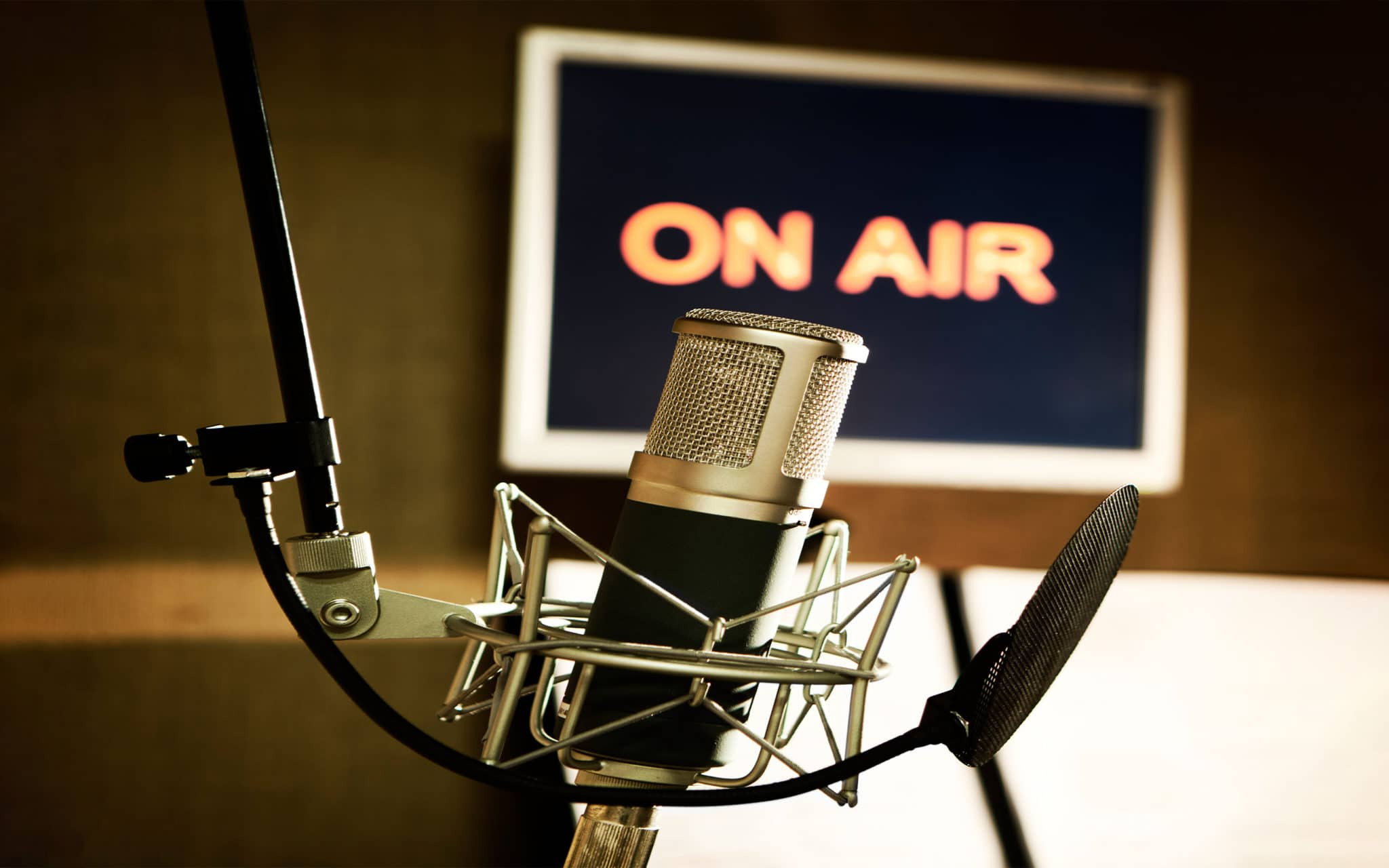
Radio advertising has remained a powerful marketing channel for decades because of its ability to reach large and loyal audiences through sound. While digital platforms rely on visuals and interactivity, radio uses voice, music, and repetition to influence listeners. To use radio effectively, businesses must understand how the system works—from choosing stations and buying airtime to scheduling ads and measuring reach.
Many advertisers ask:
“How does radio advertising actually work behind the scenes?”
This article explains the complete process of radio advertising, including how airtime is sold, how stations operate, how reach is calculated, how scheduling works, and how businesses run successful campaigns.
Understanding the Radio Advertising Ecosystem
Key Players in Radio Advertising
Radio advertising involves several participants:
-
Advertisers (businesses)
-
Radio stations
-
Sales representatives
-
Production teams
-
Media buyers/agencies
-
Audience measurement companies
Each plays a role in delivering ads to listeners.
How Radio Stations Operate
Radio stations earn money primarily through advertising.
Revenue sources include:
-
Commercial spots
-
Sponsorships
-
Promotions
-
Event partnerships
-
Digital streaming ads
Stations sell airtime to advertisers to fund operations.
Step 1: Choosing the Right Radio Station
Importance of Station Selection
Not all stations are equal.
Each station targets specific audiences based on:
-
Music format
-
Talk programming
-
News content
-
Sports coverage
-
Cultural focus
Choosing the wrong station wastes money.
Common Radio Formats
| Format | Audience |
|---|---|
| Pop/Top 40 | Young adults |
| Hip-Hop/R&B | Urban listeners |
| Country | Rural/suburban |
| Rock | Adults 25–54 |
| News/Talk | Professionals |
| Sports | Male-dominated |
| Classical/Jazz | Mature audiences |
Match format to your customer profile.
Evaluating Station Performance
Advertisers examine:
-
Listener ratings
-
Market share
-
Demographics
-
Coverage area
-
Signal strength
Audience data comes from ratings companies.
Step 2: Understanding Airtime and Ad Inventory
What Is Airtime?
Airtime refers to the time slots during which ads are broadcast.
Stations sell blocks of time in seconds.
Standard ad lengths:
-
15 seconds
-
30 seconds
-
60 seconds
Most campaigns use 30-second spots.
Prime vs Non-Prime Airtime
Some time slots are more valuable.
| Type | Description | Cost |
|---|---|---|
| Prime | Drive time | High |
| Secondary | Midday | Medium |
| Off-Peak | Night/early morning | Low |
Higher listenership means higher prices.
Ad Inventory Management
Stations manage limited inventory.
They balance:
-
Content
-
Music
-
News
-
Advertising
Too many ads reduce listener satisfaction.
Step 3: Buying Radio Advertising Time
Direct Buying
Small businesses often buy directly.
Process:
-
Contact station
-
Speak to sales rep
-
Negotiate package
-
Sign contract
Agency Buying
Large advertisers use media agencies.
Benefits:
-
Bulk discounts
-
Strategy support
-
Cross-market buying
Rate Cards and Negotiation
Stations publish rate cards.
However, actual prices are negotiable.
Factors affecting price:
-
Market size
-
Season
-
Competition
-
Campaign length
-
Volume
Longer commitments = better rates.
Step 4: Creating the Radio Advertisement
Script Development
Ads start with scripts.
Scripts include:
-
Hook
-
Message
-
Offer
-
CTA
Example structure:
Problem → Solution → Proof → Action
Voice Talent
Options include:
-
Station hosts
-
Professional actors
-
Business owners
Host voices often perform better.
Production
Production adds:
-
Music
-
Sound effects
-
Editing
Quality affects credibility.
Approval Process
Advertisers review and approve final ads before airing.
Step 5: Scheduling and Rotation
What Is Scheduling?
Scheduling determines when ads play.
Advertisers select:
-
Dayparts
-
Frequency
-
Campaign duration
Daypart Scheduling
Main categories:
| Daypart | Time | Audience |
|---|---|---|
| Morning Drive | 6–10 AM | Commuters |
| Midday | 10 AM–3 PM | Workers |
| Afternoon Drive | 3–7 PM | Return commuters |
| Evening | 7 PM–12 AM | Leisure |
| Overnight | 12–6 AM | Limited |
Drive times have highest reach.
Ad Rotation
Ads rotate among other commercials.
Rotation ensures:
-
Fair exposure
-
Even distribution
-
Reduced fatigue
Flighting Strategies
Flighting = campaign timing pattern.
Types:
-
Continuous: Runs daily
-
Pulsed: On/off cycles
-
Seasonal: Peak periods
-
Burst: Short, intense runs
Choose based on goals.
Step 6: Understanding Reach and Frequency
What Is Reach?
Reach = number of unique listeners exposed.
Example:
100,000 different listeners.
What Is Frequency?
Frequency = average times a listener hears the ad.
Example:
5 exposures per listener.
Effective Frequency
Research suggests:
3–7 exposures are needed for recall.
Too few = forgotten
Too many = annoyance
GRPs (Gross Rating Points)
GRPs = Reach × Frequency
Used to compare campaigns.
Example:
50% reach × 4 frequency = 200 GRPs
Step 7: Broadcasting and Monitoring
Ad Playback Systems
Modern stations use automation software.
Ads are:
-
Digitally scheduled
-
Automatically inserted
-
Logged for verification
Proof of Performance
Stations provide:
-
Broadcast logs
-
Airplay reports
-
Timeslot confirmations
These verify delivery.
Step 8: Measuring Campaign Performance
Traditional Measurement Methods
Radio lacks direct clicks.
Common methods:
-
Call tracking numbers
-
Promo codes
-
Custom URLs
-
Surveys
-
Store visits
Digital Integration
Modern tracking includes:
-
Landing pages
-
QR codes
-
Mobile attribution
-
CRM syncing
Audience Ratings
Ratings show:
-
Average listeners
-
Time spent listening
-
Market share
Used for planning.
Step 9: Optimizing Radio Campaigns
Performance Review
Advertisers analyze:
-
Lead volume
-
Sales growth
-
Brand awareness
-
Cost per response
Optimization Techniques
-
Change scripts
-
Adjust scheduling
-
Switch stations
-
Improve offers
-
Increase frequency
Testing Variations
Test multiple ads.
Compare responses.
Keep best performers.
Radio Advertising Workflow Summary
-
Define objectives
-
Choose stations
-
Negotiate airtime
-
Produce ads
-
Schedule broadcasts
-
Monitor delivery
-
Measure results
-
Optimize continuously
Radio Advertising in Multi-Channel Campaigns
Integration with Digital
Radio works well with:
-
PPC campaigns
-
Social ads
-
Email marketing
-
SMS campaigns
Example:
Radio drives searches → PPC converts.
Brand Reinforcement
Hearing + seeing increases recall.
Multi-channel improves ROI.
Advantages of the Radio Advertising System
-
Simple buying process
-
Predictable scheduling
-
Strong repetition
-
Local focus
-
Human connection
Limitations of the System
-
Limited tracking
-
Fixed formats
-
Less flexibility
-
Audience fragmentation
Future of Radio Advertising Operations
Programmatic Buying
Automated audio ad purchases.
Dynamic Ad Insertion
Personalized ads by listener.
AI Scheduling
Optimized time placement.
Cross-Platform Attribution
Better measurement systems.
Radio operations will become more data-driven.
Final Thoughts
Radio advertising works through a structured system of station selection, airtime purchasing, ad production, scheduling, and performance measurement. While it lacks the instant analytics of digital platforms, its strength lies in consistent reach, emotional engagement, and local influence.
When properly planned and optimized, radio advertising delivers predictable exposure and strong brand reinforcement. Businesses that understand how airtime, reach, and scheduling work can maximize return and build lasting audience relationships.
By combining radio with digital channels, modern advertisers can create powerful, integrated marketing systems that drive both awareness and conversions.
- Arts
- Business
- Computers
- Jocuri
- Health
- Home
- Kids and Teens
- Money
- News
- Personal Development
- Recreation
- Regional
- Reference
- Science
- Shopping
- Society
- Sports
- Бизнес
- Деньги
- Дом
- Досуг
- Здоровье
- Игры
- Искусство
- Источники информации
- Компьютеры
- Личное развитие
- Наука
- Новости и СМИ
- Общество
- Покупки
- Спорт
- Страны и регионы
- World

 English
 Russian
 French
 Spanish
 Portuguese
 Deutsch
 Turkish
 Dutch
Dutch
 Italiano
 Arabic
 Portuguese (Brazil)
 Greek
Greek