
How do I improve leadership skills?
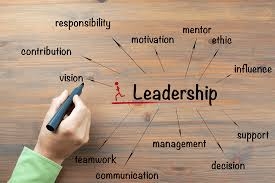
How Do I Improve Leadership Skills?
Leadership is not limited to job titles or management positions. It is the ability to influence, guide, and inspire others toward a shared goal. Strong leadership skills are essential in the workplace, in relationships, and in personal growth. The encouraging truth is that leadership is a learned skill, not an inborn trait.
This article explores practical, proven ways to develop and strengthen your leadership abilities over time.
Understand What Effective Leadership Really Is
Modern leadership is not about control or authority. It is about service, responsibility, and influence.
Effective leaders:
-
Communicate clearly
-
Listen actively
-
Act with integrity
-
Empower others
-
Take accountability
Shifting your mindset from “boss” to “guide” creates trust and respect.
Develop Self-Awareness
Great leaders understand themselves.
Self-awareness includes:
-
Knowing your strengths and weaknesses
-
Recognizing emotional triggers
-
Understanding your values
-
Being aware of how your behavior affects others
Ways to build self-awareness:
-
Journaling
-
Asking for feedback
-
Reflecting after difficult situations
When you understand yourself, you can lead with intention rather than reaction.
Strengthen Communication Skills
Leadership depends heavily on communication.
Focus on:
-
Speaking clearly and concisely
-
Listening without interrupting
-
Asking thoughtful questions
-
Adapting your message to different audiences
Strong communicators reduce misunderstandings and build alignment.
Practice Emotional Intelligence
Emotional intelligence (EQ) is the ability to recognize, understand, and manage emotions in yourself and others.
High-EQ leaders:
-
Stay calm under pressure
-
Show empathy
-
Handle conflict constructively
-
Build psychological safety
You can improve EQ by:
-
Pausing before reacting
-
Labeling emotions
-
Trying to understand others’ perspectives
Lead by Example
Your actions speak louder than words.
If you want:
-
Accountability → Be accountable
-
Respect → Show respect
-
Hard work → Demonstrate effort
People model the behavior they observe.
Learn to Delegate Effectively
Delegation is not avoiding work—it is multiplying impact.
Good delegation involves:
-
Assigning tasks based on strengths
-
Providing clear expectations
-
Offering support without micromanaging
-
Trusting others to execute
Delegation builds team confidence and frees you to focus on higher-level responsibilities.
Develop Decision-Making Skills
Leaders make decisions regularly, often with incomplete information.
Improve decision-making by:
-
Gathering relevant data
-
Weighing pros and cons
-
Considering long-term impact
-
Taking responsibility for outcomes
Decisiveness builds credibility.
Build Coaching and Mentoring Skills
Strong leaders develop others.
Ways to coach:
-
Ask guiding questions
-
Give constructive feedback
-
Recognize effort and progress
-
Encourage growth opportunities
When people grow, teams grow.
Embrace Continuous Learning
Leadership evolves with experience and education.
Learn through:
-
Books and podcasts
-
Courses and workshops
-
Mentors
-
Real-world practice
Great leaders remain students.
Strengthen Conflict Resolution Abilities
Conflict is unavoidable.
Effective leaders:
-
Address issues early
-
Listen to all sides
-
Stay neutral and calm
-
Focus on solutions
Handled well, conflict can strengthen relationships.
Build Confidence Gradually
Confidence grows from competence and experience.
Start by:
-
Taking small leadership opportunities
-
Preparing thoroughly
-
Reflecting on wins
You do not need to be perfect—just willing to learn.
Create a Clear Vision
People follow leaders who know where they are going.
A strong vision:
-
Is simple and clear
-
Connects to shared values
-
Explains why the goal matters
Communicate the vision consistently.
Practice Humility
Good leaders admit mistakes, seek input, and give credit.
Humility builds trust and shows strength, not weakness.
Final Thoughts
Improving leadership skills is a lifelong journey. It requires self-awareness, intentional practice, and a genuine desire to help others succeed.
Start small. Apply what you learn daily. Over time, your influence will grow—and so will the positive impact you have on those around you.
- Arts
- Business
- Computers
- Games
- Health
- Home
- Kids and Teens
- Money
- News
- Personal Development
- Recreation
- Regional
- Reference
- Science
- Shopping
- Society
- Sports
- Бизнес
- Деньги
- Дом
- Досуг
- Здоровье
- Игры
- Искусство
- Источники информации
- Компьютеры
- Личное развитие
- Наука
- Новости и СМИ
- Общество
- Покупки
- Спорт
- Страны и регионы
- World

 Russian
 French
 Spanish
 Portuguese
 Deutsch
 Turkish
 Dutch
Dutch
 Italiano
 Arabic
 Romaian
 Portuguese (Brazil)
 Greek
Greek
