
What Is Email Remarketing? A Complete Guide to Re-Engaging Customers Through Personalized Email Campaigns
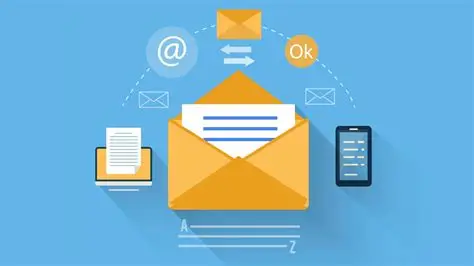
While digital advertising platforms continue to evolve, email remains one of the most powerful and cost-effective marketing channels available. When combined with remarketing strategies, email becomes an even more valuable tool for re-engaging users who have already interacted with a brand.
Email remarketing focuses on reconnecting with website visitors, leads, and customers through targeted, behavior-driven email campaigns. Instead of sending generic newsletters, businesses use user data and engagement signals to deliver personalized messages at the right time.
In 2026, with stronger privacy standards and increased reliance on first-party data, email remarketing has become a core pillar of sustainable digital marketing.
This article explains what email remarketing is, how it works, how to implement it, and how to optimize it for long-term success.
Understanding Email Remarketing
Email remarketing is the practice of sending targeted emails to users based on their previous interactions with your website, app, or brand.
These interactions may include:
-
Visiting product pages
-
Abandoning carts
-
Signing up for trials
-
Downloading content
-
Making purchases
-
Engaging with emails
The goal is to re-engage users and move them closer to conversion.
Email Remarketing vs Email Marketing
Although related, they are not the same.
| Feature | Email Marketing | Email Remarketing |
|---|---|---|
| Audience | Broad subscribers | Behavior-based users |
| Personalization | Medium | High |
| Timing | Scheduled | Triggered |
| Focus | Brand communication | Conversion-focused |
| Automation | Limited | Advanced |
Email remarketing is more targeted and performance-driven.
How Email Remarketing Works
The process follows five main steps.
Step 1: Data Collection
User behavior is tracked through:
-
Website analytics
-
CRM systems
-
Email platforms
-
E-commerce software
Step 2: Segmentation
Users are grouped based on actions.
Examples:
-
Cart abandoners
-
Product viewers
-
Past buyers
-
Inactive users
Step 3: Trigger Setup
Triggers activate emails automatically.
Examples:
-
Abandoned cart
-
Trial expiration
-
No activity for 30 days
-
Product restock
Step 4: Personalization
Emails are customized using:
-
Names
-
Product details
-
Browsing history
-
Purchase records
Step 5: Delivery and Optimization
Emails are sent and optimized using performance data.
Common Types of Email Remarketing Campaigns
Abandoned Cart Emails
Sent after users leave items in cart.
High conversion rates.
Browse Abandonment Emails
Target users who viewed products but did not add to cart.
Post-Purchase Follow-Ups
Encourage repeat purchases.
Re-Engagement Campaigns
Target inactive subscribers.
Upsell and Cross-Sell Emails
Promote related products.
Trial Conversion Emails
Encourage upgrades.
Win-Back Campaigns
Reactivate lost customers.
Benefits of Email Remarketing
High ROI
Email delivers strong returns.
First-Party Data Advantage
Uses owned data.
Strong Personalization
Highly relevant messaging.
Low Cost
Minimal media spend.
Long-Term Relationships
Builds loyalty.
Performance Benchmarks
Average results include:
-
Open rates: 25%–45%
-
Click rates: 3%–12%
-
Conversion rates: 2%–10%
-
ROI: 30x+
Results vary by industry.
Setting Up Email Remarketing
Step 1: Build Your Email List
Collect emails through:
-
Forms
-
Checkout
-
Lead magnets
-
Subscriptions
Consent is mandatory.
Step 2: Integrate Systems
Connect:
-
Website
-
CRM
-
E-commerce
-
Email platform
Integration enables automation.
Step 3: Define Segments
Create behavioral segments.
Example:
-
Viewed pricing page
-
No purchase in 60 days
Step 4: Design Email Templates
Create responsive templates.
Include:
-
Clear CTAs
-
Product images
-
Brand elements
Step 5: Configure Triggers
Automate workflows.
Examples:
-
1 hour after abandonment
-
24 hours after visit
-
7 days after inactivity
Step 6: Test and Launch
Check deliverability and links.
Run A/B tests.
Popular Email Remarketing Platforms
Common tools include:
-
Mailchimp
-
Klaviyo
-
HubSpot
-
ActiveCampaign
-
Salesforce Marketing Cloud
Each supports automation.
Personalization Techniques
Advanced email remarketing uses:
-
Dynamic product blocks
-
Behavioral scoring
-
Location targeting
-
Time-based delivery
-
AI recommendations
These improve engagement.
Privacy and Compliance
Email remarketing must follow:
-
GDPR
-
CAN-SPAM
-
CCPA
-
Consent rules
Best practices:
-
Clear opt-in
-
Easy unsubscribe
-
Transparent policies
Challenges in Email Remarketing
Deliverability Issues
Spam filters reduce visibility.
Data Fragmentation
Disconnected systems limit targeting.
Fatigue
Too many emails reduce engagement.
Personalization Errors
Wrong data damages trust.
Privacy Restrictions
Limit tracking.
Best Practices
-
Use double opt-in
-
Segment by intent
-
Limit frequency
-
Optimize subject lines
-
Test regularly
-
Clean lists
-
Monitor reputation
Example: Online Retailer Campaign
A clothing retailer implements:
-
Cart abandonment emails
-
Product recommendations
-
Loyalty offers
Results:
-
42% revenue increase from email
-
35% higher repeat purchases
-
Reduced churn
Email remarketing drove growth.
Email Remarketing and Omnichannel Marketing
Email integrates with:
-
SMS
-
Push notifications
-
Ads
-
CRM
-
Customer support
Omnichannel coordination improves results.
AI in Email Remarketing
AI enhances:
-
Send-time optimization
-
Subject line creation
-
Product recommendations
-
Engagement prediction
-
Churn prevention
Automation increases efficiency.
Future of Email Remarketing
Emerging trends include:
-
Privacy-first tracking
-
Zero-party data
-
Interactive emails
-
AMP emails
-
Voice integration
-
Predictive personalization
Email remains relevant.
When Email Remarketing Works Best
Ideal for:
-
E-commerce
-
SaaS
-
Education
-
Subscriptions
-
Marketplaces
-
Service businesses
Works across industries.
Common Mistakes
-
Over-emailing
-
Poor segmentation
-
Generic content
-
Ignoring analytics
-
Weak CTAs
Avoiding these improves performance.
Conclusion
Email remarketing is one of the most powerful and sustainable ways to re-engage users and drive conversions. By using behavioral data, automation, and personalization, businesses can deliver relevant messages that guide customers through the buying journey.
In 2026, as privacy regulations limit third-party tracking, email remarketing’s reliance on first-party data makes it more valuable than ever. When executed properly, it strengthens relationships, increases lifetime value, and delivers consistent returns.
Email remarketing is not just about sending more messages—it is about sending the right message at the right time.
- Arts
- Business
- Computers
- Παιχνίδια
- Health
- Κεντρική Σελίδα
- Kids and Teens
- Money
- News
- Personal Development
- Recreation
- Regional
- Reference
- Science
- Shopping
- Society
- Sports
- Бизнес
- Деньги
- Дом
- Досуг
- Здоровье
- Игры
- Искусство
- Источники информации
- Компьютеры
- Личное развитие
- Наука
- Новости и СМИ
- Общество
- Покупки
- Спорт
- Страны и регионы
- World

 English
 Russian
 French
 Spanish
 Portuguese
 Deutsch
 Turkish
 Dutch
Dutch
 Italiano
 Arabic
 Romaian
 Portuguese (Brazil)
