
What Is an Example of Good Customer Experience?
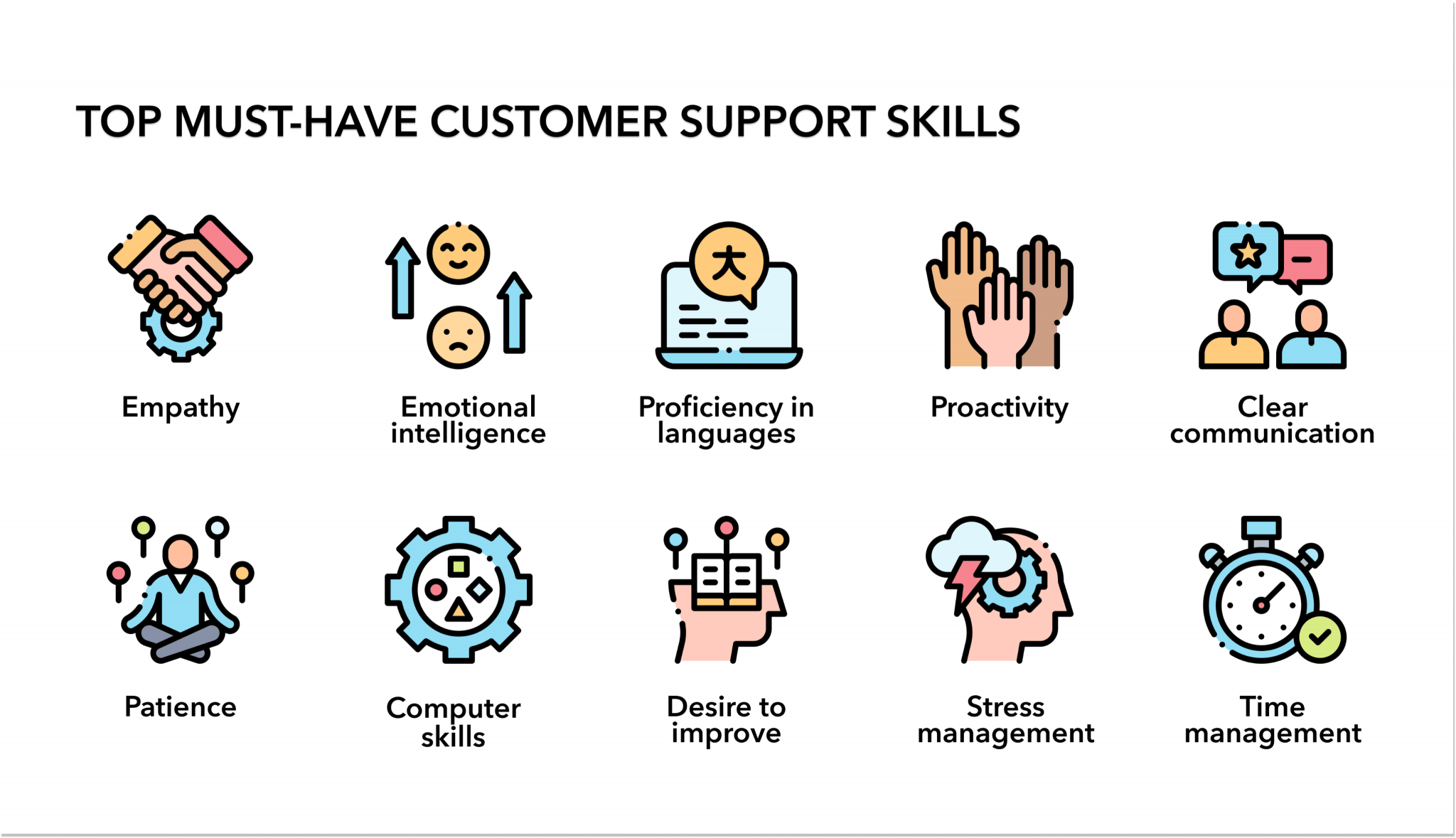
Understanding what constitutes a good customer experience (CX) is essential for businesses that aim to improve satisfaction, loyalty, and revenue. While theories and metrics are useful, seeing real-world examples and benchmarks helps organizations visualize how excellent CX is delivered across industries. A positive customer experience is not just about solving problems—it’s about creating interactions that are seamless, personalized, and emotionally engaging.
This article explores what good customer experience looks like in practice, with case studies, benchmarks, and actionable insights that companies can apply to their own CX strategies. We’ll also discuss the key elements that make experiences memorable, measurable, and effective at driving growth.
Defining Good Customer Experience
Good CX occurs when a company meets or exceeds customer expectations at every touchpoint of the journey. It is the cumulative result of:
-
Ease of use: Customers can complete tasks without frustration.
-
Personalization: Interactions feel relevant to the customer’s needs and preferences.
-
Consistency: The brand experience is uniform across channels, from in-store to online.
-
Emotional engagement: Customers feel valued and respected.
-
Problem resolution: Issues are addressed quickly and effectively.
In short, a good customer experience leaves the customer feeling satisfied, confident, and loyal.
Key Elements of Exemplary Customer Experience
To deliver a world-class customer experience, businesses focus on several core elements:
1. Seamless Onboarding and Interaction
Customers appreciate interactions that are intuitive and effortless. This includes:
-
Simplified sign-ups
-
Clear instructions for product use
-
Easy navigation in digital interfaces
-
Quick and accurate information delivery
Seamless onboarding reduces friction, encourages engagement, and increases the likelihood of repeat use.
2. Personalization and Relevance
Personalized experiences make customers feel understood and valued. Examples include:
-
Product recommendations based on past purchases
-
Tailored marketing messages
-
Customized loyalty rewards
-
Personalized support responses
Companies that effectively use data to personalize interactions often see higher engagement, satisfaction, and revenue.
3. Proactive Customer Support
Anticipating customer needs and solving problems before they escalate is a hallmark of good CX. Techniques include:
-
Automated notifications for product updates
-
Live chat support with real-time assistance
-
Follow-ups to ensure issues are resolved
-
Onboarding tutorials or educational content
Proactive support builds trust and prevents negative experiences from undermining satisfaction.
4. Omnichannel Consistency
Good customer experience requires consistency across all channels:
-
Websites and mobile apps
-
Social media interactions
-
Physical store experiences
-
Customer support calls and emails
Customers expect the same quality of service regardless of how they interact with the brand. Inconsistency creates frustration and erodes loyalty.
5. Emotional Engagement and Brand Connection
Beyond functional excellence, great CX fosters an emotional connection. Customers remember how a brand makes them feel. Emotional engagement can be achieved through:
-
Empathetic service
-
Recognition of loyal customers
-
Humanized interactions with staff
-
Thoughtful communication and messaging
Brands that create emotional bonds often enjoy higher retention rates and advocacy.
Real-World Examples of Good Customer Experience
Examining companies that excel in CX provides concrete insights into best practices.
Example 1: Amazon
Amazon is widely recognized for exceptional customer experience. Key practices include:
-
Seamless checkout: One-click purchasing reduces friction.
-
Fast shipping: Prime members receive rapid delivery with predictable timelines.
-
Easy returns: Hassle-free return processes increase trust.
-
Personalization: Product recommendations and email suggestions are highly relevant.
Amazon’s focus on convenience, speed, and personalization sets a benchmark for e-commerce CX globally.
Example 2: Starbucks
Starbucks creates positive experiences by combining personalization with consistency:
-
Mobile app ordering allows customers to skip lines.
-
Rewards programs offer personalized benefits.
-
Baristas often learn and remember customer preferences.
-
Store environments are consistent yet inviting across locations.
This combination of technology, personalization, and human interaction drives customer loyalty and repeat visits.
Example 3: Zappos
Zappos is an example of CX excellence in service:
-
Free shipping and returns reduce customer effort.
-
Customer support is available 24/7, with agents empowered to go above and beyond.
-
Policies encourage surprise upgrades or gestures that delight customers.
Zappos emphasizes emotional engagement, ensuring customers feel valued and respected.
Example 4: Apple
Apple delivers good CX through:
-
Highly intuitive product design
-
Retail experiences with knowledgeable staff
-
Efficient Genius Bar support
-
Integrated ecosystem that simplifies device use
Apple demonstrates how CX can be integrated into both physical and digital interactions, creating a seamless, premium experience.
Benchmarks for Good Customer Experience
Businesses can use benchmarks to assess their CX quality:
-
Net Promoter Score (NPS): High scores indicate satisfied, loyal customers.
-
Customer Satisfaction (CSAT): Measures satisfaction at specific touchpoints.
-
Customer Effort Score (CES): Low effort scores indicate frictionless experiences.
-
Retention Rates: High retention is a key indicator of positive CX.
-
Repeat Purchase Rates: Frequent purchases demonstrate value and satisfaction.
These benchmarks help businesses quantify the quality of CX and identify areas for improvement.
Lessons from Real-World Examples
Analyzing successful companies reveals key lessons:
-
Prioritize convenience: Reduce friction wherever possible.
-
Invest in personalization: Data-driven recommendations and messaging enhance engagement.
-
Empower employees: Frontline staff who can resolve issues quickly improve satisfaction.
-
Leverage technology: Mobile apps, AI, and chatbots enhance responsiveness.
-
Measure and optimize: Continuous feedback and analytics help maintain high standards.
Applying these principles enables businesses to replicate elements of top-performing CX strategies.
Measuring the ROI of Good Customer Experience
Investing in CX can deliver tangible revenue growth. Metrics linking CX to revenue include:
-
Increased repeat purchases
-
Higher average order value
-
Reduced churn and acquisition costs
-
More referrals and positive reviews
-
Enhanced brand reputation allowing premium pricing
Good CX is not just a “nice to have”—it is a strategic investment with measurable financial returns.
Best Practices for Delivering Good Customer Experience
-
Map customer journeys to identify pain points and improvement opportunities.
-
Personalize interactions using customer data and predictive analytics.
-
Provide proactive support to anticipate issues before they occur.
-
Ensure omnichannel consistency across all digital and physical touchpoints.
-
Train and empower employees to deliver excellent service.
-
Collect feedback regularly to guide continuous improvement.
-
Use technology strategically for efficiency, personalization, and monitoring.
By following these practices, businesses can create memorable experiences that drive customer loyalty and revenue growth.
Conclusion
Good customer experience is the result of thoughtful design, consistent execution, and continuous improvement. It combines ease of use, personalization, emotional engagement, and proactive support to delight customers at every touchpoint. Real-world examples from companies like Amazon, Starbucks, Zappos, and Apple demonstrate that CX excellence is achievable across industries and directly correlates with revenue growth and customer loyalty.
Benchmarks such as NPS, CSAT, CES, and retention rates allow businesses to measure the effectiveness of their CX initiatives. By learning from successful companies and applying best practices, organizations can create customer experiences that are not only satisfying but also profitable, turning everyday interactions into strategic opportunities for growth.
- Arts
- Business
- Computers
- Игры
- Health
- Главная
- Kids and Teens
- Деньги
- News
- Personal Development
- Recreation
- Regional
- Reference
- Science
- Shopping
- Society
- Sports
- Бизнес
- Деньги
- Дом
- Досуг
- Здоровье
- Игры
- Искусство
- Источники информации
- Компьютеры
- Личное развитие
- Наука
- Новости и СМИ
- Общество
- Покупки
- Спорт
- Страны и регионы
- World

 English
 French
 Spanish
 Portuguese
 Deutsch
 Turkish
 Dutch
Dutch
 Italiano
 Arabic
 Romaian
 Portuguese (Brazil)
 Greek
Greek