
Is Customer Experience Management (CXM) Important in 2026?
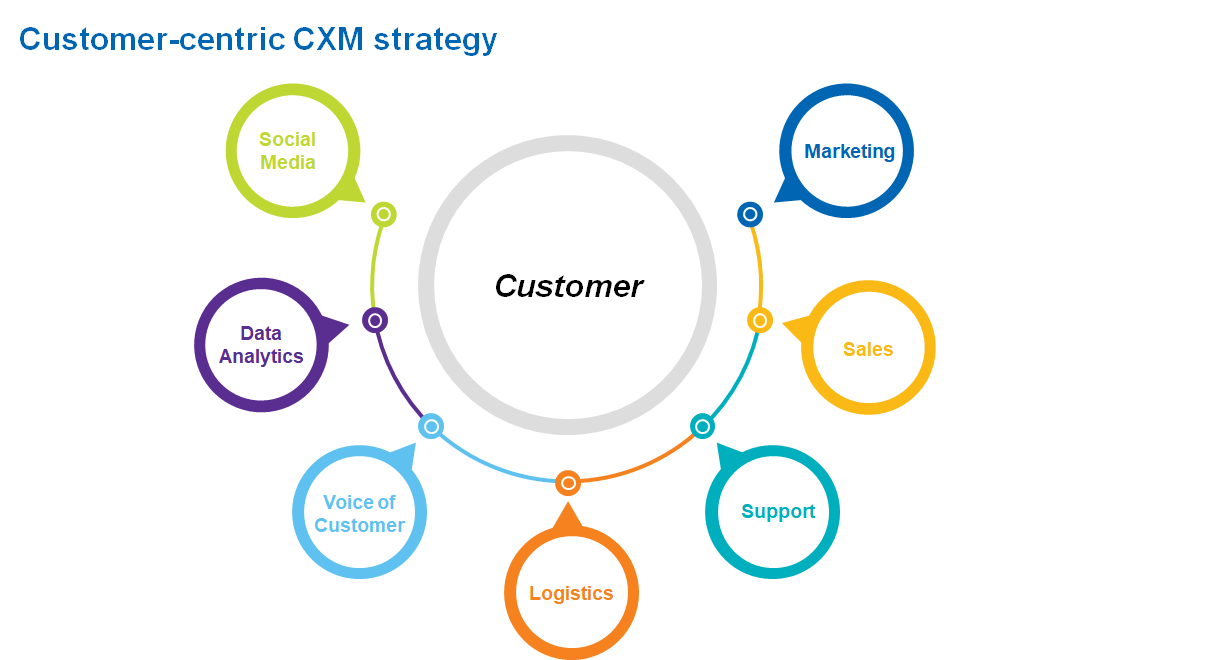
Customer Experience Management (CXM) has become one of the most critical priorities for modern businesses. As markets become more competitive and customer expectations continue to rise, companies must go beyond simply offering good products or services. They must deliver consistent, personalized, and memorable experiences across every interaction.
In 2026, CXM is more important than ever because digital transformation, artificial intelligence, and changing consumer behaviors have fundamentally reshaped how customers interact with brands. Businesses that fail to manage customer experiences effectively risk losing customers to competitors that provide smoother, more engaging interactions.
This article explores why CXM is important in 2026, how it benefits businesses, emerging trends shaping CXM, and how companies can implement effective customer experience management strategies.
What Is Customer Experience Management (CXM)?
Customer Experience Management (CXM) refers to the process of monitoring, analyzing, and improving every interaction a customer has with a company. It involves managing the entire customer journey, from awareness and consideration to purchase and post-sale support.
CXM focuses on understanding how customers feel about their interactions with a brand and using those insights to improve future experiences.
Key elements of CXM include:
-
Customer journey mapping
-
Customer feedback collection
-
Data analytics and insights
-
Omnichannel engagement
-
Personalization and proactive service
The goal is to ensure that every touchpoint contributes to a positive and seamless experience.
Why CXM Is Crucial in 2026
Rising Customer Expectations
Customers in 2026 expect faster responses, personalized services, and frictionless digital experiences. If a brand fails to meet these expectations, customers can quickly switch to competitors.
Modern consumers expect:
-
Instant responses through chat or messaging
-
Personalized recommendations
-
Seamless experiences across devices
-
Quick problem resolution
CXM helps businesses meet these expectations consistently.
Increased Market Competition
Many industries now offer similar products and pricing. Because of this, customer experience has become a major competitive differentiator.
Companies that provide superior experiences often outperform competitors because customers prefer brands that are easier to interact with and more attentive to their needs.
A strong CXM strategy allows businesses to stand out even when product differences are minimal.
Growth of Digital and Omnichannel Interactions
Customers interact with brands through multiple channels, including:
-
Websites
-
Mobile apps
-
Social media
-
Messaging platforms
-
Physical stores
Managing these interactions requires a coordinated CXM strategy to ensure that experiences remain consistent and seamless regardless of channel.
Without CXM, customers may experience disconnected or frustrating interactions when switching between platforms.
The Role of Artificial Intelligence
Artificial intelligence is transforming customer experience management in 2026.
AI technologies enable businesses to:
-
Predict customer needs
-
Automate customer support with chatbots
-
Analyze large volumes of customer data
-
Deliver real-time personalization
AI-driven insights allow companies to anticipate customer expectations and respond proactively.
Benefits of Customer Experience Management
Improved Customer Satisfaction
Effective CXM ensures that interactions are smooth, helpful, and responsive. When customers feel valued and supported, satisfaction levels increase significantly.
Satisfied customers are more likely to remain loyal and continue doing business with the brand.
Higher Customer Retention
Customer acquisition can be expensive, making retention a critical business goal.
CXM helps companies retain customers by:
-
Addressing pain points quickly
-
Anticipating customer needs
-
Delivering consistent positive experiences
When customers consistently receive great experiences, they are less likely to switch to competitors.
Increased Revenue
Customer experience directly impacts revenue. Positive experiences often lead to:
-
Repeat purchases
-
Higher customer lifetime value
-
Increased upselling and cross-selling opportunities
Customers who trust a brand are more willing to spend more over time.
Stronger Brand Reputation
Customer experience influences how people perceive a brand. Satisfied customers often share positive experiences through reviews, social media, and recommendations.
Word-of-mouth marketing remains one of the most powerful ways to attract new customers.
A strong CXM strategy helps businesses build a reputation for reliability and excellence.
Emerging CXM Trends in 2026
Hyper-Personalization
Companies are moving beyond basic personalization toward hyper-personalization, which uses real-time data and AI to tailor experiences for individual customers.
This includes:
-
Real-time product recommendations
-
Personalized website interfaces
-
Context-aware marketing messages
Hyper-personalization makes experiences more relevant and engaging.
Predictive Customer Experience
Businesses are increasingly using predictive analytics to anticipate customer needs before they arise.
Predictive CX allows companies to:
-
Identify customers likely to churn
-
Offer proactive support
-
Suggest products based on future needs
This approach shifts CX from reactive service to proactive engagement.
Conversational AI and Chatbots
Chatbots and virtual assistants are becoming more sophisticated and capable of handling complex customer inquiries.
Benefits include:
-
24/7 customer support
-
Faster response times
-
Reduced operational costs
When implemented correctly, conversational AI improves both efficiency and customer satisfaction.
Customer Journey Analytics
Companies are investing more in tools that track and analyze the entire customer journey.
These analytics help businesses:
-
Identify friction points
-
Understand customer behavior
-
Optimize touchpoints across channels
Journey insights allow companies to improve experiences at every stage.
How Businesses Can Implement Effective CXM
Build a Customer-Centric Culture
Customer experience should not be limited to the customer service team. Every department—from marketing to product development—should prioritize customer satisfaction.
A customer-focused culture ensures that all employees contribute to better experiences.
Invest in CX Technology
Modern CXM requires technology that can manage data, automate interactions, and analyze customer behavior.
Important tools include:
-
Customer Relationship Management (CRM) systems
-
Customer Data Platforms (CDPs)
-
AI-powered analytics platforms
-
Customer feedback tools
These technologies enable companies to manage experiences at scale.
Collect and Analyze Customer Feedback
Customer feedback provides valuable insights into what customers like and dislike about their experiences.
Companies can gather feedback through:
-
Surveys
-
Reviews and ratings
-
Social media monitoring
-
Customer interviews
Analyzing feedback helps businesses identify opportunities for improvement.
Continuously Improve the Customer Journey
Customer experience management is an ongoing process. Businesses should regularly evaluate and refine their strategies based on data and customer insights.
Continuous improvement ensures that experiences remain aligned with evolving customer expectations.
Challenges of CXM in 2026
Despite its importance, CXM can be challenging to implement effectively.
Common challenges include:
-
Managing large amounts of customer data
-
Integrating multiple digital platforms
-
Ensuring consistent experiences across channels
-
Balancing automation with human interaction
Addressing these challenges requires strong leadership, technology integration, and a commitment to customer-centric practices.
Conclusion
Customer Experience Management remains critically important in 2026 because customer expectations, digital interactions, and market competition continue to evolve. Companies must actively manage and optimize the entire customer journey to remain competitive and maintain customer loyalty.
Organizations that prioritize CXM benefit from higher satisfaction, stronger retention, increased revenue, and improved brand reputation. By combining customer insights, advanced technology, and a customer-first culture, businesses can create experiences that consistently meet and exceed customer expectations.
In an era where customers have more choices than ever, effective CXM is no longer optional—it is a fundamental driver of long-term business success.
- Arts
- Business
- Computers
- الألعاب
- Health
- الرئيسية
- Kids and Teens
- مال
- News
- Personal Development
- Recreation
- Regional
- Reference
- Science
- Shopping
- Society
- Sports
- Бизнес
- Деньги
- Дом
- Досуг
- Здоровье
- Игры
- Искусство
- Источники информации
- Компьютеры
- Личное развитие
- Наука
- Новости и СМИ
- Общество
- Покупки
- Спорт
- Страны и регионы
- World

 English
 Russian
 French
 Spanish
 Portuguese
 Deutsch
 Turkish
 Dutch
Dutch
 Italiano
 Romaian
 Portuguese (Brazil)
 Greek
Greek
