
What is the difference between task management and project management?
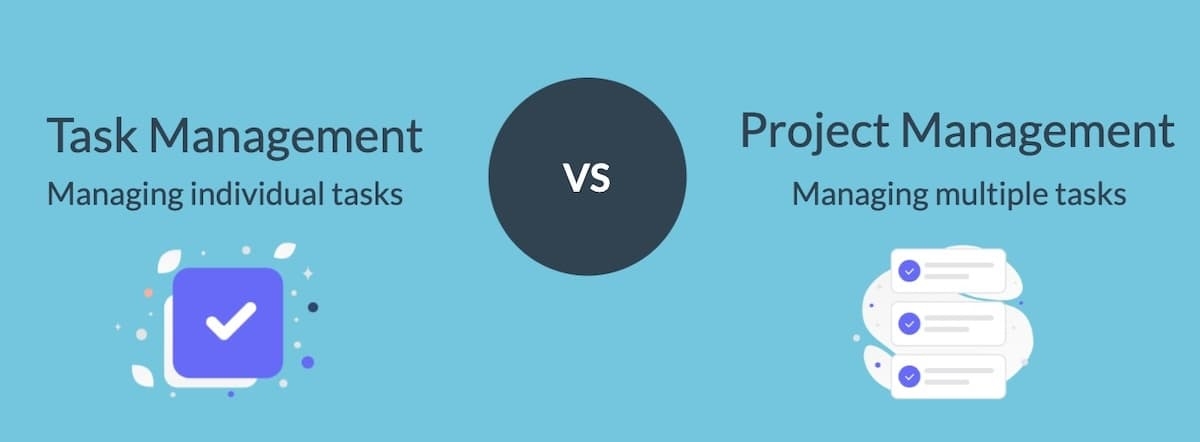
Understanding the difference between task management and project management is essential for anyone looking to improve productivity, organization, and workflow efficiency. These two concepts are closely related and often used together, but they serve different purposes and operate at different levels of planning and execution.
Task management focuses on organizing and completing individual units of work, while project management involves coordinating multiple tasks and resources to achieve a larger objective. Both are critical for effective productivity and successful outcomes, whether in personal projects, business operations, or large organizational initiatives.
This article explores the definitions, roles, and key differences between task management and project management, along with how they work together to support efficient workflows and successful project completion.
Understanding Task Management
Task management refers to the process of organizing, prioritizing, tracking, and completing individual tasks. A task is a specific activity or action that must be completed to achieve a goal.
Examples of tasks include:
-
Writing a report
-
Responding to emails
-
Conducting research
-
Preparing a presentation
-
Updating a spreadsheet
Task management ensures that these responsibilities are completed efficiently and on time.
Key Components of Task Management
Effective task management typically involves several steps:
Task identification – determining what work needs to be done.
Task prioritization – deciding which tasks are most important or urgent.
Task scheduling – assigning time to complete tasks.
Task tracking – monitoring progress until completion.
Task management systems help individuals keep track of their responsibilities and ensure that important work does not get forgotten.
Understanding Project Management
Project management operates at a broader level than task management. It involves planning, organizing, and overseeing an entire project from beginning to completion.
A project is a temporary effort designed to achieve a specific goal. Projects usually consist of multiple tasks that must be completed in a coordinated manner.
Examples of projects include:
-
Launching a new product
-
Building a website
-
Organizing a conference
-
Developing a marketing campaign
-
Constructing a building
Project management focuses on coordinating all the components necessary to complete these complex initiatives successfully.
Key Components of Project Management
Project management involves several structured processes, including:
Project planning – defining goals, scope, and objectives.
Resource allocation – assigning people, tools, and budgets.
Task coordination – organizing tasks within the project.
Risk management – identifying and addressing potential problems.
Progress monitoring – tracking the overall project status.
Project managers oversee these elements to ensure the project stays on schedule and within budget.
The Relationship Between Tasks and Projects
Tasks and projects are closely connected.
A project is made up of many tasks. Each task contributes to completing a portion of the overall project.
For example, consider a website development project. The project might include tasks such as:
-
Designing the website layout
-
Writing website content
-
Developing backend functionality
-
Testing the website
-
Launching the site
Each task represents a specific piece of work, while the project represents the entire initiative.
Task management focuses on completing individual tasks, while project management focuses on coordinating those tasks to achieve the project's goals.
Key Differences Between Task Management and Project Management
Although task management and project management are related, they differ in several important ways.
Scope
The most obvious difference is scope.
Task management deals with individual tasks or small sets of tasks. Its focus is narrow and specific.
Project management deals with entire projects, which may include dozens or even hundreds of tasks.
In other words:
Task management = individual work items
Project management = overall project structure
Level of Planning
Task management typically involves short-term planning. Individuals focus on what needs to be completed today or this week.
Project management involves long-term planning. Projects often span weeks, months, or even years.
Project managers must consider:
-
Project timelines
-
Resource availability
-
Budget constraints
-
Potential risks
This level of planning is far more complex than managing individual tasks.
Responsibility
Task management is usually handled by individuals who are responsible for completing their own tasks.
Project management is typically handled by a project manager or leadership team responsible for coordinating the efforts of multiple people.
The project manager ensures that tasks are assigned properly and that team members work together efficiently.
Complexity
Task management is relatively simple because it focuses on completing specific actions.
Project management is more complex because it must coordinate multiple tasks, people, deadlines, and resources simultaneously.
Large projects often involve many moving parts, which require careful coordination to avoid delays or conflicts.
Goals
Task management focuses on completing specific actions.
Project management focuses on achieving larger strategic objectives.
For example:
Task goal: Write a marketing article
Project goal: Launch a new marketing campaign
The task contributes to the project, but the project represents the broader objective.
Tools Used in Task Management
Task management tools are designed to help individuals organize and track their tasks efficiently.
Common task management tools include:
-
To-do lists
-
Task tracking apps
-
Digital planners
-
Reminder systems
These tools allow users to create task lists, set deadlines, and mark tasks as completed.
Many people use task management tools to organize their daily or weekly responsibilities.
Tools Used in Project Management
Project management tools are more advanced because they must coordinate entire projects.
These tools often include features such as:
-
Project timelines
-
Task assignment systems
-
Progress tracking dashboards
-
Resource management tools
-
Collaboration features
Project management software helps teams coordinate complex workflows and monitor project progress.
How Task Management Supports Project Management
Task management plays a critical role in project management.
Without properly managed tasks, projects cannot be completed successfully.
Every project milestone depends on the successful completion of multiple tasks.
For example, if a product launch project requires:
-
Product design
-
Marketing preparation
-
Sales training
Each of these stages contains numerous tasks that must be completed before the next stage can begin.
Effective task management ensures that these individual steps are completed on time.
The Importance of Both Systems
Both task management and project management are essential for productivity.
Task management helps individuals stay organized and complete their responsibilities efficiently.
Project management ensures that larger initiatives are coordinated successfully.
Without task management, individuals may struggle to complete their assignments.
Without project management, large initiatives may become disorganized and fail to achieve their objectives.
Together, these systems create a structured approach to managing work.
When Task Management Is Enough
In some situations, task management alone may be sufficient.
Examples include:
-
Managing personal responsibilities
-
Completing simple assignments
-
Organizing daily activities
-
Tracking small projects with few tasks
When work involves only a limited number of tasks, complex project management systems may not be necessary.
When Project Management Is Necessary
Project management becomes essential when work involves:
-
Multiple people
-
Large budgets
-
Long timelines
-
Many interconnected tasks
Examples include:
-
Construction projects
-
Software development
-
Corporate marketing campaigns
-
Event planning
These projects require structured coordination to ensure that everything runs smoothly.
Common Mistakes When Confusing the Two
Many people confuse task management with project management.
One common mistake is attempting to manage large projects using only simple task lists.
While task lists are helpful, they often lack the structure required for complex projects.
Another mistake is overcomplicating small tasks with unnecessary project management systems.
Choosing the appropriate system depends on the complexity of the work involved.
Improving Workflow with Both Approaches
The most effective productivity systems combine task management and project management.
For example:
A project manager might use project management software to organize the overall project.
Team members then use task management tools to track their individual responsibilities.
This layered approach ensures that both large objectives and small tasks are handled efficiently.
Final Thoughts
Task management and project management are closely related but serve different purposes. Task management focuses on organizing and completing individual tasks, while project management coordinates multiple tasks and resources to achieve a larger goal.
Understanding the difference between these two systems helps individuals and organizations manage work more effectively. Task management ensures that daily responsibilities are handled efficiently, while project management provides the structure needed to complete complex initiatives successfully.
By combining both approaches, individuals and teams can improve productivity, maintain organization, and achieve their objectives with greater clarity and efficiency.
Ultimately, task management and project management are not competing systems—they are complementary tools that work together to transform ideas into completed results.
- Arts
- Business
- Computers
- Παιχνίδια
- Health
- Κεντρική Σελίδα
- Kids and Teens
- Money
- News
- Personal Development
- Recreation
- Regional
- Reference
- Science
- Shopping
- Society
- Sports
- Бизнес
- Деньги
- Дом
- Досуг
- Здоровье
- Игры
- Искусство
- Источники информации
- Компьютеры
- Личное развитие
- Наука
- Новости и СМИ
- Общество
- Покупки
- Спорт
- Страны и регионы
- World

 English
 Russian
 French
 Spanish
 Portuguese
 Deutsch
 Turkish
 Dutch
Dutch
 Italiano
 Arabic
 Romaian
 Portuguese (Brazil)