
What is time blocking in task management?
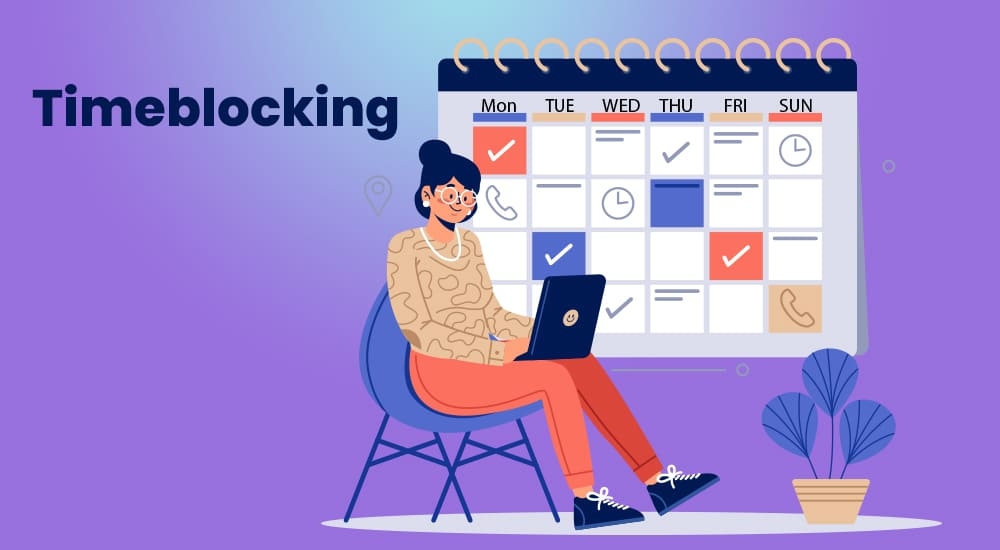
What Is Time Blocking in Task Management?
In the modern world, distractions are everywhere. Emails, notifications, meetings, and constant multitasking often make it difficult to focus on meaningful work. Many people find themselves busy all day yet unable to complete their most important tasks.
Time blocking is a productivity strategy that helps individuals regain control over their schedules, prioritize important tasks, and focus deeply on one activity at a time. By dedicating specific blocks of time to particular tasks or projects, time blocking transforms chaotic schedules into structured, intentional days.
This article will explore what time blocking is, why it works, how to implement it effectively, and how it can dramatically improve productivity, focus, and work-life balance.
What Is Time Blocking?
Time blocking is a time management method where your day is divided into dedicated segments, each assigned to a specific task, project, or type of work. Unlike traditional to-do lists, where tasks are listed without defined time periods, time blocking assigns tasks to concrete slots in your calendar, turning abstract to-dos into actionable commitments.
This method helps individuals:
-
Reduce decision fatigue about what to work on next
-
Allocate adequate time for high-priority tasks
-
Avoid procrastination
-
Structure the day to include breaks, deep work, and meetings
Time blocking can be used for both professional and personal tasks, ensuring that time is spent on meaningful activities rather than reactive work.
Why Time Blocking Works
Time blocking is effective for several reasons:
1. Reduces Multitasking
Research shows that multitasking reduces productivity and increases mistakes. By dedicating time to a single task, time blocking encourages deep focus and better outcomes.
2. Makes Tasks Concrete
When a task is assigned a specific time slot, it becomes non-negotiable. You are less likely to postpone important work when it has a scheduled place in your day.
3. Improves Planning and Prioritization
Time blocking forces you to consider your priorities before the day begins. By assigning time to high-value activities first, you ensure progress on meaningful goals.
4. Helps Track Actual Work
Blocking time allows you to see exactly how your day is spent, making it easier to identify wasted time and adjust your schedule.
5. Creates a Sense of Control
Knowing what to work on and when reduces stress and prevents tasks from feeling overwhelming.
How to Implement Time Blocking
Time blocking can be applied in a few structured steps.
Step 1: List All Tasks
Before blocking time, capture all tasks, responsibilities, and commitments. Include:
-
Work projects and assignments
-
Meetings and appointments
-
Administrative tasks
-
Personal responsibilities
-
Breaks and self-care activities
Having a complete list ensures that no task is overlooked.
Step 2: Prioritize Tasks
Not all tasks are equally important. Use prioritization methods like:
-
Eisenhower Matrix – Categorize tasks by importance and urgency
-
ABCDE Method – Label tasks by priority from A (highest) to E (lowest)
High-priority tasks should receive dedicated time blocks early in your schedule.
Step 3: Estimate Time for Each Task
For each task, estimate how long it will take to complete. This helps avoid overloading your schedule. Start with realistic time frames and leave buffers for unexpected interruptions.
For example:
-
Draft a report – 90 minutes
-
Respond to emails – 30 minutes
-
Team meeting – 60 minutes
Accurate estimates prevent overcommitment and ensure a balanced day.
Step 4: Assign Time Blocks
Once tasks are prioritized and estimated, assign specific blocks of time in your calendar.
Example Schedule:
| Time | Task |
|---|---|
| 8:00–9:30 AM | Draft project report |
| 9:30–10:00 AM | Respond to emails |
| 10:00–11:00 AM | Team meeting |
| 11:00–12:00 PM | Research for client proposal |
| 12:00–12:30 PM | Lunch break |
| 12:30–2:00 PM | Focused writing session |
| 2:00–2:30 PM | Administrative tasks |
| 2:30–4:00 PM | Client follow-up calls |
Notice that the schedule includes breaks and buffers to prevent fatigue and accommodate interruptions.
Step 5: Use Categories or Themes
Many people use themed blocks to group similar activities:
-
Deep Work: Tasks requiring high concentration
-
Administrative: Routine, low-focus tasks
-
Meetings/Collaboration: Group activities and calls
-
Personal: Exercise, meals, and self-care
Theming blocks helps maintain focus and efficiency. For example, grouping all administrative tasks in a single time block prevents constant switching between deep work and low-priority activities.
Step 6: Include Breaks and Flex Time
No schedule is perfect, so time blocking should include buffer periods to handle overruns or unexpected tasks.
-
Short breaks (5–15 minutes) between tasks can improve focus.
-
Longer breaks (30–60 minutes) help recharge energy for sustained deep work.
This prevents burnout and maintains productivity throughout the day.
Step 7: Review and Adjust
At the end of the day or week, review your schedule:
-
Did tasks fit into the assigned time blocks?
-
Were high-priority tasks completed?
-
Did any tasks take longer than expected?
-
Were there periods of wasted time?
Adjust future time blocks based on these observations. Over time, your estimates and scheduling will become more accurate.
Benefits of Time Blocking
Time blocking offers several advantages over traditional to-do lists:
-
Enhanced Focus: Working on one task at a time reduces distractions.
-
Better Task Completion: Assigning time ensures high-priority tasks are completed.
-
Proactive Planning: You control your day instead of reacting to tasks as they appear.
-
Reduced Decision Fatigue: Knowing what to work on next eliminates constant planning.
-
Balanced Life: Scheduling personal time and breaks ensures work-life balance.
Studies show that individuals who use structured time management techniques like time blocking experience higher productivity, less stress, and better task completion rates.
Common Challenges and Solutions
While time blocking is effective, there are challenges:
Challenge 1: Underestimating Task Time
Many people underestimate how long tasks take, leading to overpacked schedules.
Solution: Use buffers between blocks and track how long tasks actually take. Adjust estimates over time.
Challenge 2: Interruptions
Unexpected calls, emails, or urgent tasks can disrupt blocks.
Solution: Create contingency blocks for handling interruptions or move tasks to the next available block.
Challenge 3: Rigidity
Some people feel constrained by a strict schedule.
Solution: Time blocking is flexible. Adjust blocks daily while keeping focus on high-priority work.
Challenge 4: Procrastination
Even with time blocks, procrastination can occur.
Solution: Use techniques like Pomodoro, task batching, or accountability partners to maintain focus.
Tools to Support Time Blocking
Time blocking can be done on paper or digitally. Several tools make implementation easier:
-
Google Calendar – Easy to create and color-code blocks
-
Outlook Calendar – Integrates meetings and tasks
-
Notion – Combines task lists with time-blocked schedules
-
Trello – Visual Kanban boards for time-blocked projects
-
Todoist – Task lists with scheduling features
Digital tools offer reminders, recurring blocks, and integration with other productivity systems.
Time Blocking for Deep Work
One of the most powerful applications of time blocking is deep work, a concept popularized by Cal Newport. Deep work involves focused, uninterrupted sessions on cognitively demanding tasks.
Time blocks dedicated to deep work:
-
Minimize distractions
-
Improve quality of output
-
Increase efficiency
-
Enhance learning and creativity
For example, a 2-hour morning block for writing a report or coding allows significant progress without interruptions.
Integrating Time Blocking With Other Productivity Methods
Time blocking can be combined with other techniques:
-
GTD (Getting Things Done): Use GTD to define tasks and next actions, then assign them to time blocks.
-
Eisenhower Matrix: Prioritize tasks by importance and urgency, then schedule blocks accordingly.
-
Pomodoro Technique: Break blocks into focused intervals with short breaks.
-
Themed Days: Assign entire days to specific types of work for better focus.
These integrations make time blocking even more effective.
Final Thoughts
Time blocking is a simple yet powerful method for organizing your day, prioritizing tasks, and improving focus. By dedicating specific blocks of time to high-priority tasks, deep work, and personal activities, you gain control over your schedule and reduce distractions.
Implementing time blocking involves capturing tasks, prioritizing them, estimating required time, assigning dedicated blocks, including breaks, and reviewing performance. When practiced consistently, this approach transforms productivity from a reactive struggle into a structured, intentional, and high-performing workflow.
Whether you are a professional managing multiple projects, a student balancing coursework, or an entrepreneur handling diverse responsibilities, time blocking can help you accomplish more, reduce stress, and make steady progress toward your goals.
- Arts
- Business
- Computers
- Spiele
- Health
- Startseite
- Kids and Teens
- Geld
- News
- Personal Development
- Recreation
- Regional
- Reference
- Science
- Shopping
- Society
- Sports
- Бизнес
- Деньги
- Дом
- Досуг
- Здоровье
- Игры
- Искусство
- Источники информации
- Компьютеры
- Личное развитие
- Наука
- Новости и СМИ
- Общество
- Покупки
- Спорт
- Страны и регионы
- World

 English
 Russian
 French
 Spanish
 Portuguese
 Turkish
 Dutch
Dutch
 Italiano
 Arabic
 Romaian
 Portuguese (Brazil)
 Greek
Greek